
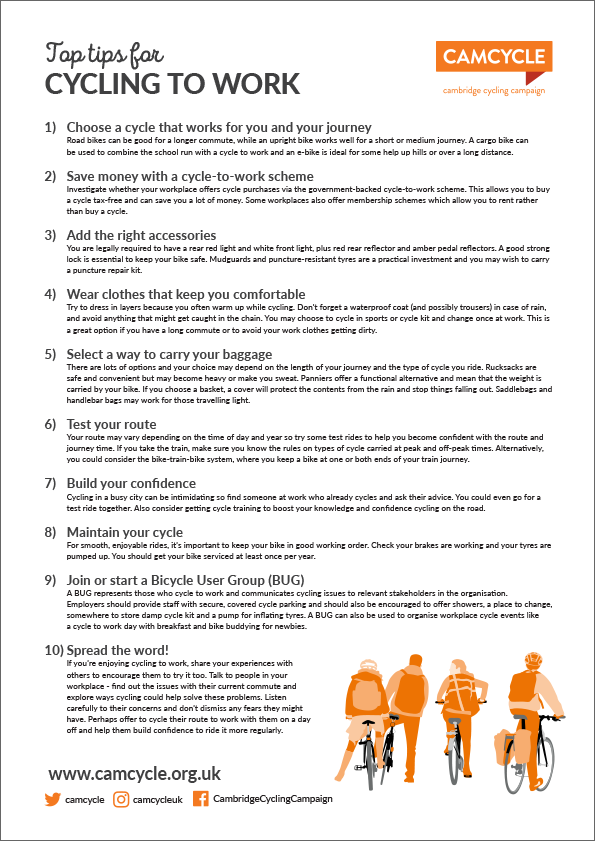
Are you considering cycling to work? Knowing that bicycles are a convenient and eco-friendly mode of transportation, it’s no wonder you’re thinking of ditching your car and hopping on two wheels. With the average speed in urban traffic at 15 km/h, you could even arrive at work before your colleagues who drive.
Why Cycle to Work?
Cycling to work has numerous benefits for both you and the environment. It improves your physical health by strengthening your glutes and maintaining a healthy weight, while also reducing stress and boosting your mood. If you’re concerned about air pollution in urban areas, don’t worry – there are specially designed masks that can help protect you.
Preparing for Your First Day of Work
Before you start cycling to work, make sure you’re properly prepared. This means getting into a routine of regular exercise to build up your endurance and stamina. You’ll also want to familiarize yourself with the route you’ll be taking and plan your gear accordingly.
The Importance of Proper Gear and Safety Equipment
Before hitting the road, it’s essential to ensure that you have the right gear and safety equipment. This includes a properly fitting helmet, comfortable clothing, and sturdy bike locks to secure your vehicle when parked.
Choosing the Right Bike for Commuting
If you’re new to cycling or unsure about which type of bike is best for commuting, here are some key factors to consider:
- Frame material: Aluminum frames are lightweight and corrosion-resistant, making them an excellent choice for daily commutes.
- Gearing: Look for bikes with wide-range gearing options to help you tackle hills and uneven terrain.
- Brakes: Disc brakes offer improved stopping power and control, especially in wet conditions.
Some popular bike models for commuting include:
- Velocity: A lightweight aluminum frame with a comfortable riding position and Shimano gears. Perfect for shorter commutes or those who prefer a more upright riding stance.
- Pegado Nero-Oro: A stylish bike featuring anodized wheels and a sturdy steel frame. Ideal for those who want a bit of flair in their daily commute.
Additional Tips for Commuting by Bike
Here are some additional tips to keep in mind when commuting by bike:
- Plan your route in advance to avoid heavy traffic and construction.
- Consider using bike lanes or designated cycling paths whenever possible.
- Be mindful of road conditions and take necessary precautions to ensure your safety.
Safety Tips for Cycling
Cycling can be a safe and enjoyable mode of transportation when you take the right precautions. Here are some additional tips to keep in mind:
- Always wear protective gear such as a helmet, gloves, and knee pads.
- Use front and rear lights or reflectors to increase visibility.
- Be aware of your surroundings, including pedestrians, cars, and construction zones.
- Stay alert and focused on the road ahead.
The Benefits of Cycling
Cycling offers numerous benefits for both you and the environment. Some of the most significant advantages include:
- Improved physical health: Regular cycling can help improve cardiovascular fitness, boost mood, and reduce stress levels.
- Reduced air pollution: By avoiding car travel, cyclists can significantly reduce their carbon footprint and contribute to cleaner air quality.
- Cost savings: Cycling is a cost-effective mode of transportation, with no fuel costs or parking fees required.
Environmental Impact
Cycling is a zero-emission mode of transportation that produces no greenhouse gases, air pollutants, or noise pollution. This makes it an excellent alternative to driving or taking public transportation. Here are some additional environmental benefits:
- Reduced carbon emissions: By choosing cycling as your primary mode of transportation, you can significantly reduce your carbon footprint.
- Conservation of resources: Cycling requires less energy and resources than driving, making it a more sustainable choice.
Social Benefits
Cycling offers numerous social benefits for cyclists. Here are some additional advantages:
- Improved mental health: Regular cycling can help improve mood and reduce stress levels.
- Increased social connections: Joining cycling groups or clubs can provide opportunities to meet new people and build relationships.
- Sense of community: Cycling provides a sense of belonging and connection with the local community.
Conclusion
Cycling to work is a great way to reduce your carbon footprint, improve your physical health, and save money on transportation costs. With the right gear, safety equipment, and knowledge of bike maintenance, you’ll be well on your way to becoming a confident and responsible cyclist. Happy cycling!
Frequently Asked Questions (FAQs)
Q: How do I get started with cycling to work?
A: Start by getting familiar with your local cycling routes and bike laws. Consider taking a bike safety course or joining a cycling group to learn more about safe cycling practices.
Q: What type of bike is best for commuting?
A: Look for bikes with wide-range gearing options, comfortable seating, and sturdy brakes.
Q: How do I stay safe while commuting by bike?
A: Always wear protective gear such as a helmet, follow traffic laws, and be aware of your surroundings.
Q: Can I use my bike on public transportation?
A: Check with your local transit agency for bike-friendly policies and consider investing in a bike rack or storage system for easy transportation.


