
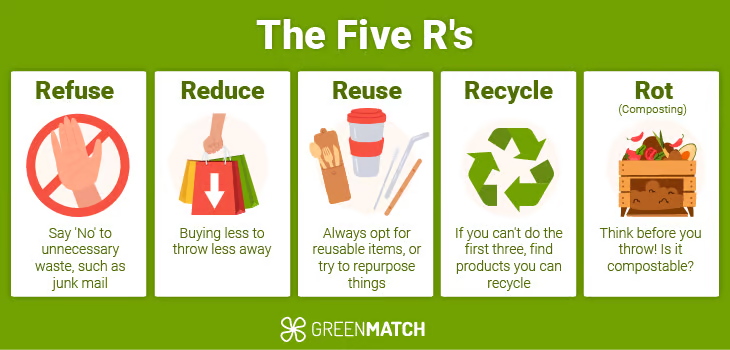
As we navigate the complexities of modern life, it’s easy to get caught up in the fast-paced world of consumption and waste. However, with a few simple changes to our daily habits, we can significantly reduce the amount of waste we produce and contribute to a more sustainable future.
The Problem of Waste Production
Did you know that approximately 80% of the waste produced globally could be reused or recycled? For decades, most of this waste has ended up in landfills or incinerators. However, with the increasing awareness of environmental issues, many cities are now promoting “riciclons” – municipalities that excel in waste management through efficient recycling practices.
The Benefits of Recycling
Recycling not only reduces the need for new resources but also helps to conserve natural resources and mitigate climate change. By choosing products made from recycled materials, we can significantly reduce our carbon footprint and support sustainable industries. Moreover, proper waste management can be a lucrative business opportunity, providing a valuable source of revenue for communities.
The Importance of Reducing Waste Production
Before recycling becomes the norm, it’s essential to address the root cause of waste production – consumerism. By adopting simple habits, we can significantly reduce our waste output and create a more circular economy. So, where do you start?
Reducing Consumption: Buying Only What We Need
One of the simplest ways to reduce waste is to adopt the “buy only what you need” approach. Be mindful of your purchases and choose products that are truly necessary. This mindset shift can lead to a significant decrease in packaging waste and reduced consumption.
For instance, if you’re buying clothes, ask yourself: “Do I really need this item?” or “Will I wear it regularly?” By being more intentional with your purchases, you’ll be less likely to impulse buy and end up with unnecessary items that contribute to waste production.
Reusing and Repurposing Objects
Another effective strategy is to reuse and repurpose objects whenever possible. Instead of throwing away items, learn to repair or find new uses for them. Not only will this reduce waste, but it’ll also save you money and contribute to a more sustainable lifestyle.
For example, instead of buying paper cups, use reusable cloth bags or mugs. You can also repurpose old jars as planters, containers for paint, or even candle holders.
Avoiding Single-Use Plastics
Single-use plastics are a significant contributor to waste production. By avoiding these products whenever possible, we can significantly reduce our plastic footprint. Opt for natural materials like wood, metal, or stone instead of plastic. When shopping, choose products with minimal packaging and try to avoid single-use items.
Additionally, consider alternatives to disposable products like straws, cutlery, and bags. For instance, you can use reusable water bottles, stainless steel straws, or cloth napkins instead of paper ones.
Choosing Sustainable Products
When shopping, make informed choices that align with your values. Opt for products made from recycled materials or those that have minimal packaging. By supporting sustainable brands, you’ll be contributing to a more environmentally friendly economy.
For example, look for products labeled as “recyclable” or “biodegradable.” You can also choose products made from natural fibers like cotton, hemp, or bamboo instead of synthetic materials.
Transforming Food Waste into Nutrient-Rich Compost
Food waste is an often-overlooked contributor to landfill waste. However, by implementing simple composting practices at home and in your community, we can transform food waste into nutrient-rich soil amendments.
Composting not only reduces the amount of organic waste sent to landfills but also produces a valuable resource for gardening and agriculture. To start composting, you’ll need to gather food scraps, leaves, and other organic materials. Then, create a compost bin or pile and add these materials. Finally, let nature do its magic and turn your waste into nutrient-rich compost!
Community Involvement: A Key to Success
Reducing and recycling waste requires a collective effort. By participating in community initiatives, advocating for policy changes, and supporting local businesses that prioritize sustainability, we can create a more circular economy.
Start by joining local clean-up initiatives or participating in neighborhood composting programs. You can also attend workshops, seminars, and conferences to learn more about sustainable practices and network with like-minded individuals.
Government Initiatives: Supporting Sustainable Practices
Governments play a crucial role in promoting waste reduction and recycling through policy changes, education campaigns, and infrastructure investments. By implementing effective waste management systems and providing resources for sustainable practices, governments can encourage citizens to adopt environmentally friendly habits.
For instance, some cities have implemented pay-as-you-throw policies or introduced extended producer responsibility (EPR) for manufacturers who produce non-recyclable packaging. These initiatives not only reduce waste but also provide economic incentives for businesses to prioritize sustainability.
Individual Actions: Making a Difference
While individual actions may seem insignificant on their own, collectively they can lead to significant changes. By adopting simple habits and supporting sustainable practices, we can contribute to a more circular economy and mitigate the environmental impacts of waste production.
Start by making small changes in your daily life, such as reducing paper usage, using reusable bags, or choosing products with minimal packaging. As you become more aware of your impact on the environment, you’ll be motivated to make further changes and inspire others to do the same.
The Future of Waste Reduction
As we look towards a more sustainable future, it’s clear that waste reduction and recycling will play a critical role in mitigating climate change and conserving natural resources. By adopting simple habits, supporting sustainable practices, and advocating for policy changes, we can create a world where waste production is minimized and the benefits of sustainability are shared by all.
Conclusion: Taking Action Today
Reducing and recycling waste requires a collective effort. By embracing simple habits, supporting sustainable products, and participating in community initiatives, we can create a more circular economy and mitigate the environmental impacts of waste production. So, what are you waiting for? Start making changes today!
Frequently Asked Questions
-
What is the most effective way to reduce waste production?
Reducing consumption, reusing objects, and avoiding single-use plastics are all effective strategies for reducing waste production. -
How can I get started with recycling in my community?
Contact your local government or participate in existing recycling programs to learn more about what materials are accepted and how you can contribute. -
What is the impact of recycling on the environment?
Recycling helps conserve natural resources, reduce greenhouse gas emissions, and mitigate climate change. -
How can I compost food waste at home?
Start by implementing simple composting practices at home, such as turning food scraps into nutrient-rich soil amendments. -
What are some effective ways to reduce plastic usage?
Avoid single-use plastics, opt for reusable bags and containers, and choose products with minimal packaging. -
Can I really make a difference by reducing waste production?
Yes, every small change counts! By adopting simple habits and supporting sustainable practices, we can collectively create a more circular economy and mitigate the environmental impacts of waste production. -
What is the role of governments in promoting waste reduction and recycling?
Governments play a crucial role in promoting waste reduction and recycling by implementing policies, providing education and resources, and investing in infrastructure for efficient waste management. -
How can individuals contribute to reducing plastic waste in their community?
Participate in local clean-up initiatives, advocate for policy changes, and support businesses that prioritize sustainability and reduce plastic usage.


