
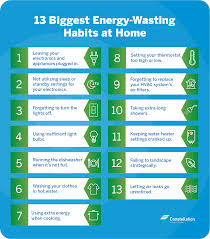
As we head into the colder months, our homes can become energy hogs, consuming more electricity and gas than ever before. However, by implementing some simple changes, we can significantly reduce energy waste and lower our carbon footprint. In this article, we’ll explore practical tips for reducing energy consumption at home and why it’s essential to take action.
The Importance of Energy Efficiency
Energy efficiency is crucial for several reasons:
- Lowering greenhouse gas emissions and mitigating climate change
- Saving money on utility bills
- Improving indoor air quality and comfort
By making small changes to our daily habits, we can collectively make a significant impact on reducing energy waste.
Small Changes with Big Impact
There are numerous simple actions we can take to reduce energy consumption:
Illumination
One of the easiest ways to start reducing energy waste is by switching off lights, appliances, and electronics when not in use. This habit may require some initial effort, but it becomes second nature over time.
- Switch to LED bulbs, which consume significantly less energy than traditional incandescent bulbs.
- Replace old light fixtures with new ones that have a lower wattage rating.
- Unplug appliances and chargers when not in use to eliminate standby power consumption.
Thermal Comfort
Heating and cooling systems account for a substantial portion of our energy consumption. By optimizing our thermostat settings, we can significantly reduce energy waste:
- Set the temperature between 18°C (64°F) and 20°C (68°F), which is ideal for both comfort and energy efficiency.
- Install smart thermostats that can learn our schedules and preferences to optimize heating and cooling usage.
- Consider upgrading to a heat pump or air-source heat pump system, which can be more efficient than traditional HVAC systems.
Water Conservation
Taking shorter showers and turning off the tap while brushing your teeth can make a significant difference in reducing energy waste:
- Install low-flow showerheads and faucets to reduce water consumption.
- Fix leaky faucets promptly to avoid wasting precious resources.
- Consider installing a rainwater harvesting system, which can collect and store rainwater for irrigation or flushing toilets.
Household Appliances
Older appliances consume more energy than newer ones. By upgrading to energy-efficient models, we can reduce our carbon footprint:
- Replace old refrigerators, washing machines, and dryers with Energy Star-rated models.
- Consider purchasing a new appliance when yours reaches the end of its lifespan.
Renewable Energy
Harnessing renewable energy sources like solar and wind power can significantly reduce our reliance on fossil fuels:
- Install solar panels to generate electricity and heat water.
- Invest in a wind turbine or consider partnering with a community-based renewable energy program.
Investing in Energy Efficiency
Making energy-efficient upgrades to your home can be an expensive endeavor, but it’s essential to weigh the costs against the long-term benefits:
- Conduct an energy audit to identify areas of inefficiency and prioritize upgrades.
- Explore tax incentives, rebates, and grants for energy-efficient upgrades.
- Consider hiring a professional to ensure that any upgrades are installed correctly and safely.
Energy Efficiency at Home: A Guide
Here’s a comprehensive guide to help you get started with reducing energy waste at home:
- Assess your energy usage: Use tools like the U.S. Department of Energy’s Home Energy Saver or the Energy Star home energy calculator to determine your energy usage patterns.
- Identify areas for improvement: Look for opportunities to reduce energy consumption in your home, such as replacing old light fixtures or upgrading to a smart thermostat.
- Choose energy-efficient appliances: When it’s time to replace your appliances, look for Energy Star-rated models that consume less energy and have lower operating costs.
- Invest in renewable energy: Consider installing solar panels or investing in a community-based renewable energy program to reduce your reliance on fossil fuels.
- Conduct regular maintenance: Regularly inspect and maintain your heating and cooling systems, plumbing, and electrical systems to ensure they’re running efficiently.
Conclusion
Reducing energy waste at home is easier than you think. By implementing these simple tips and making conscious choices about our daily habits, we can significantly lower our carbon footprint and contribute to a more sustainable future. It’s time to take action and start reducing energy waste today!
Frequently Asked Questions:
- What are some of the most effective ways to reduce energy consumption at home?
- How can I determine my energy efficiency needs based on my home’s layout and usage patterns?
- What is the difference between a heat pump and an air-source heat pump system, and which one is more suitable for my climate?
- Can I install solar panels on my roof, and how much will they cost?
- How can I conserve water in my home without sacrificing comfort or convenience?
- What are some of the benefits of installing a smart thermostat, and how does it work?
- Can I use energy-efficient appliances in conjunction with renewable energy sources, such as solar power?
- How much will upgrading to energy-efficient appliances cost me, and what kind of incentives are available?
By taking these practical steps, we can reduce our reliance on fossil fuels, lower our carbon footprint, and contribute to a more sustainable future.


