
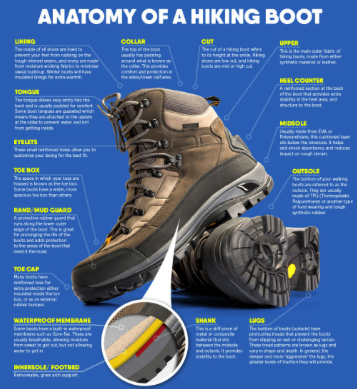
When it comes to choosing hiking boots, there’s only one decision you need to make: which ones to put on your feet! Whether you’re looking for a new pair of hiking boots or just starting out with backpacking, selecting the right footwear is crucial. Your boots should support you, prevent falls and slips, be comfortable, and ensure maximum comfort every step of the way.
Before we dive into the specifics, it’s essential to understand that the type of activity you’ll be doing, where you’ll be doing it, and the time of year all play a significant role in determining which hiking boots are best for you. Surprisingly, the same boots recommended for daytime hikes may not be suitable for nighttime treks!
The market offers countless options, catering to diverse needs. Just as you wouldn’t choose a knife or backpack without careful consideration, selecting the right hiking boots requires the same level of care.
Boot Types and Terrain
When choosing between boots, there are several factors to consider:
- High-cut boots: These boots provide excellent ankle support and stability, making them ideal for long, high-altitude hikes. They are often preferred by experienced hikers who require extra protection from rough terrain.
- Ankle-high boots: Also known as “ankle-high hiking boots,” these boots offer a balance between comfort and stability. They are recommended for snowy or icy trails where rigid support is essential.
- Low-cut boots: These boots are perfect for day hikes in warm weather or short, easy treks. They provide better flexibility and mobility, making them ideal for quick getaways.
Finding the Right Fit
A proper fit is crucial when selecting hiking boots. Ask yourself: “How will my foot adapt to this boot?” Generally, more ergonomic boots provide greater comfort. However, manufacturers often adhere to international standards to accommodate a wide range of users. Be prepared to adjust your expectations and consider the following:
- Wide feet: If you have wider feet, choose lightweight trekking socks that won’t constrict your foot. Look for moisture-wicking materials like Coolmax or similar technologies.
- Thin feet: For thinner feet, opt for thicker socks with good arch support.
- Warm feet: In cold conditions, select boots with insulating materials like Thinsulate or similar technologies.
For extended hikes, bring a spare pair of socks to prevent blisters and discomfort. Avoid boots that cover the entire ankle, especially if you’ll be carrying heavy loads or hiking long distances.
Comfort and Support
When selecting hiking boots, look for features that ensure optimal comfort and support:
- Cushioning: Adequate shock absorption is essential for reducing foot fatigue.
- Traction: A good grip is crucial for stability on various terrain types, including mud, ice, and rocky surfaces.
- Support: Adequate ankle support prevents injuries, making it a must-have feature for hiking boots.
Some top-rated hiking boots include:
- Montane Trekking Boots
- Salomon Quest 4D 3 GTX
Tips for Choosing the Perfect Pair
When shopping online, don’t hesitate to try them on before purchasing. Most retailers offer return policies or exchanges. If your boots don’t fit comfortably, you can always exchange them.
In addition to comfort and support:
- Avoid boots that flex excessively, as they may not provide sufficient stability.
- Consider a boot with a more supportive sole for better balance on uneven terrain.
If the boots still feel uncomfortable, consider adding an insole or orthotics for improved fit. This can help alleviate blisters and discomfort caused by ill-fitting boots.
When choosing hiking boots, remember that the right footwear can make all the difference between a comfortable and enjoyable hike. Take your time, do your research, and find a pair that fits like a glove.
Boots for Different Types of Hiking
Different types of hiking require different types of boots. Here’s a breakdown:
- Day hikes: For short, easy treks in warm weather, low-cut boots are ideal.
- Backpacking: For extended trips with heavy loads, high-cut or ankle-high boots provide better support and stability.
- Nighttime treks: For nighttime hikes, look for boots with good traction and ankle support to prevent falls and slips.
Boots for Specific Terrain
Different terrain requires different types of boots. Here’s a breakdown:
- Snowy trails: For snowy or icy trails, high-cut or ankle-high boots provide better protection from cold temperatures and ice.
- Rocky trails: For rocky or uneven terrain, low-cut boots with good traction can help prevent falls and slips.
- Muddy trails: For muddy or slippery trails, look for boots with good grip and drainage to prevent wet feet.
Boots for Specific Activities
Different activities require different types of boots. Here’s a breakdown:
- Trail running: For trail running, lightweight, minimalist boots are ideal.
- Horseback riding: For horseback riding, sturdy, ankle-high boots with good grip are essential.
- Climbing: For climbing, specialized boots with good support and protection are necessary.
In conclusion, choosing the right hiking boots requires careful consideration of your needs, preferences, and the type of activity you’ll be doing. By understanding the different types of boots available, finding the right fit, and considering comfort and support, you can ensure a comfortable and enjoyable hike.


