
Understanding Tinnitus: Causes, Symptoms, and Treatment Options
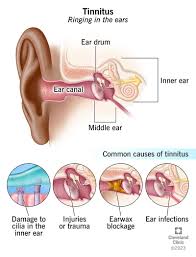
Tinnitus, commonly known as ringing in the ears, is a common auditory disturbance that affects approximately 4 Italians out of every 100. This condition appears suddenly without any apparent cause, and its causes can be numerous, ranging from damage to the auditory system to problems in the cervical region.
Causes of Tinnitus
Tinnitus is not classified as an illness but is often described as a symptom. This condition can be linked to various factors, including:
- Stressful emotional experiences
- Functional disorders of the jaw
- Cervical issues
- Problems with the neck
- Ear infections
- Vision problems
- Allergies affecting nasal drainage
- Excess earwax buildup
- Exposure to loud sounds
- Barometric incidents (e.g., scuba diving without proper technique)
- Other types of hearing damage
- Disruption of benzodiazepine use (anti-anxiety, sedative, and calming medications)
- Side effects from certain medications (known as ototoxic effects)
- Traumatic head injuries
In some cases, spontaneous ear sounds can cause tinnitus, particularly in severe instances. The causes of tinnitus can be related to medical conditions such as:
- Brain tumors
- Meniere’s disease
- Multiple sclerosis
- Other neurological disorders
- Heart and circulatory system-related diseases
Tinnitus is often associated with depression.
Symptoms of Tinnitus
The symptoms of tinnitus can vary widely from one person to another. Some common experiences include:
- Ringing or buzzing sounds in the ears that may be constant, intermittent, or pulsatile
- Hissing, whistling, or screeching noises
- Pulsating or throbbing sensations
- A feeling of fullness or pressure in the ear
- Difficulty concentrating or following conversations due to tinnitus
- Anxiety and depression related to the condition
What to Do When Suffering from Tinnitus
If you experience tinnitus, it is crucial to consult a specialist to rule out potential causes. Medical professionals offer questionnaires, tests, and analyses that can determine the underlying causes of subjective symptoms. The doctor must also learn about your lifestyle.
A comprehensive visit should include an audiogram and a neurological examination. Imaging analysis may reveal problems with neurological disorders: a magnetic resonance imaging (MRI) scan is recommended based on the doctor’s advice.
Other tests to rule out correlations between tinnitus and other diseases, such as heart palpitations (related to various conditions, including stress), are included in your assessment.
Treating Tinnitus
Tinnitus can have its own set of psychological effects, including anxiety, depression, reduced concentration, and other complications. Treatment must therefore address multiple aspects.
On one side, consulting an otolaryngologist is essential; on the other, identifying specific causes to develop targeted treatment approaches. For example, in cases of tinnitus that are caused by problems related to blood flow (e.g., pulsating tinnitus), a Doppler ultrasound scan (TCD), angiography, and addressing the underlying issue may be necessary.
In any case, treating tinnitus cannot ignore its root cause. Some general advice for alleviating symptoms is:
- If you’re frequently exposed to loud noises, wearing earplugs or earmuffs can prevent tinnitus.
- Checking the side effects and contraindications of medications used can help avoid ototoxic effects that may lead to tinnitus.
- Considering language therapy or sound therapy when other causes are unclear.
- Addressing emotional factors such as depression with a psychologist in a therapeutic setting.
- Stress management techniques, like relaxation exercises, can be helpful.
Currently, there is no specific psychological treatment for tinnitus. However, the US Department of Veterans Affairs has developed a clinical protocol called “Progressive Tinnitus Management” to treat veterans who have developed tinnitus as a result of a traumatic event or post-traumatic stress disorder (PTSD).
Natural Remedies for Tinnitus
Beyond lifestyle adjustments and medical consultation, natural remedies appear to alleviate tinnitus symptoms. The Ginkgo biloba has been used in the past to treat tinnitus. Some blogs recommend using melatonin or zinc supplements to alleviate ringing in the ears; however, the American Academy of Otolaryngology has deemed these supplements ineffective.
For further information on treating tinnitus: Acufene, natural remedies
New Developments in Tinnitus Treatment
Research continues to uncover new insights into tinnitus. In recent years, some significant advancements have been made:
- Tinnitus retraining therapy (TRT): A type of sound therapy that involves wearing a special device that produces soothing sounds to help mask tinnitus.
- Transcutaneous electrical nerve stimulation (TENS): A non-invasive treatment that uses electrical impulses to stimulate the nerves and reduce tinnitus symptoms.
- Cognitive behavioral therapy (CBT): A type of talk therapy that helps individuals manage stress, anxiety, and depression related to tinnitus.
In conclusion, understanding tinnitus is crucial for effective management and treatment. By addressing underlying causes and employing a range of therapeutic approaches, individuals can alleviate symptoms and improve their quality of life.
Conclusion
Tinnitus is a common auditory disturbance that affects millions worldwide. Its causes are numerous, ranging from damage to the auditory system to problems in the cervical region. While there is no specific psychological treatment for tinnitus, addressing emotional factors such as depression with a psychologist in a therapeutic setting can be helpful. Treatment options, including consulting an otolaryngologist and identifying specific causes to develop targeted approaches, are essential.
By incorporating lifestyle adjustments, natural remedies, and new developments in tinnitus treatment into your daily life, you can take control of your symptoms and improve your quality of life.


