
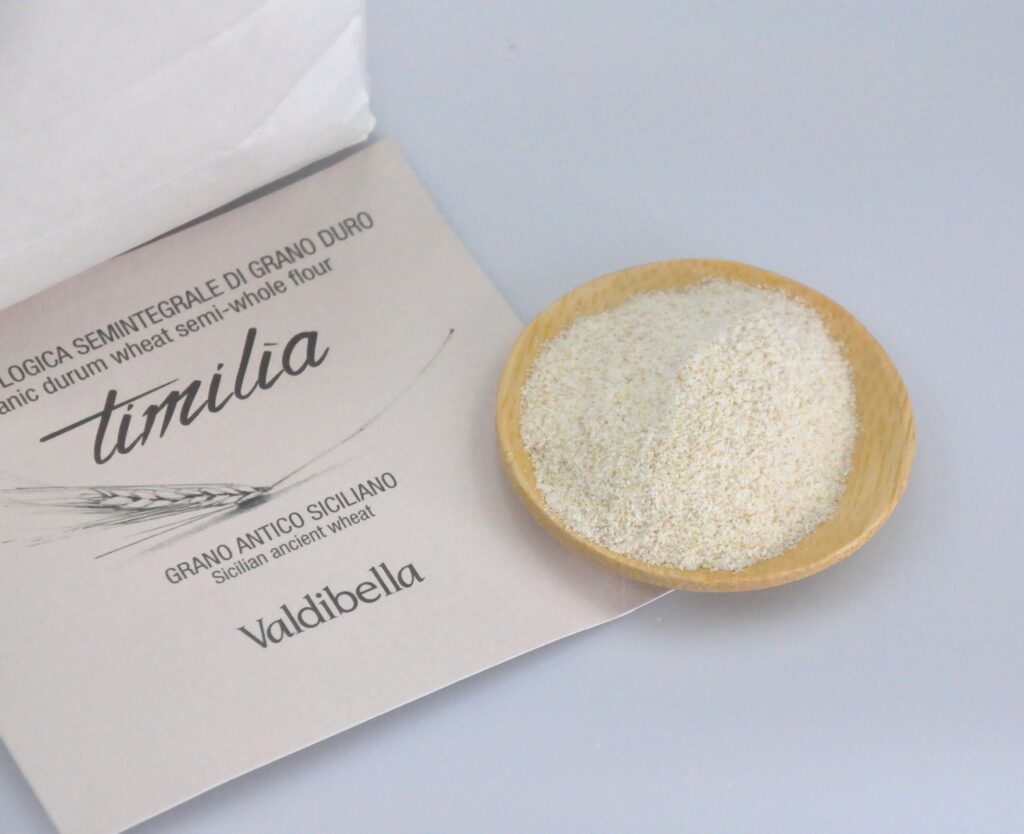
Timilia farina, also known as tumminia or marzulo, is an ancient type of wheat that has been largely forgotten in modern times. Despite its rich nutritional properties and unique flavor, this grain has been overshadowed by more commercially viable options. In this article, we will delve into the history of timilia farina, its characteristics, and how to use it to create delicious bread and other recipes.
The Decline of Ancient Grains
In recent decades, the focus on modern wheat varieties has led to a decline in the cultivation of ancient grains like timilia. The industrial food industry prioritizes high-yielding, disease-resistant crops over nutrient-rich, flavorful alternatives. This shift has resulted in farina products that lack the nutritional benefits and distinct taste associated with traditional grain varieties.
The History of Timilia Farina
Timilia farina originated from the Mediterranean region, particularly in Sicily, where it was widely cultivated until the mid-20th century. Its popularity waned as modern wheat varieties became more widely available, leaving behind a small but dedicated group of enthusiasts who still appreciate its unique qualities.
Characteristics of Timilia Farina
Timilia farina is a type of hard wheat that contains:
- Higher levels of oligo-elements and proteins compared to other grains
- A lower gluten content, making it more suitable for those with gluten intolerance
- A nutty flavor and aroma
- A coarser texture than regular flour
Why Use Timilia Farina?
Incorporating timilia farina into your diet can have numerous benefits:
- Improved nutritional profile due to its higher content of essential minerals and proteins
- Distinctive flavor that enhances bread and other baked goods
- Increased fiber content, supporting digestive health
History of Ancient Grains in Cuisine
Ancient grains like timilia farina have been used in various cuisines for centuries. They are an integral part of traditional recipes, often adding depth and complexity to dishes.
- In ancient Egypt, emmer wheat was used to make bread and other baked goods.
- In ancient Greece, barley was a staple ingredient in many dishes.
- In ancient Rome, spelt was used to make bread and porridge.
How Ancient Grains Impact Nutrition
Ancient grains like timilia farina are rich in nutrients and fiber, making them an excellent choice for those looking to improve their diet. They are high in:
- Fiber: Supports digestive health and satiety.
- Protein: Essential for muscle growth and repair.
- Oligo-elements: Rich in minerals like iron, zinc, and selenium.
Modern Applications of Ancient Grains
While timilia farina is often used in traditional recipes, it can also be incorporated into modern dishes to add unique flavor and nutrition. Some ideas include:
- Adding timilia farina to oatmeal or yogurt for added fiber and protein.
- Using timilia farina as a substitute for all-purpose flour in baked goods.
- Mixing timilia farina with other grains like quinoa or Kamut for added texture and nutrition.
Where to Find Timilia Farina
Due to its rarity, timilia farina may be difficult to find in local stores. However, online retailers and specialty food shops can provide access to this ancient grain:
- Amazon: Offers 5kg bags of timilia farina (divided into 1kg portions) at a competitive price.
- Local Health Food Stores: Some stores specialize in carrying artisanal flours.
Conclusion
Timilia farina offers a unique opportunity for bakers and food enthusiasts to explore the flavors and nutritional benefits of an ancient grain. While it may be challenging to find, its distinct taste and improved nutritional profile make it well worth seeking out. By embracing this forgotten grain, we can rediscover the joys of traditional bread-making and reap the rewards of using a nutrient-rich ingredient.
Frequently Asked Questions
- What is the difference between timilia farina and regular flour?
Timilia farina contains higher levels of oligo-elements and proteins than regular flour, giving it a coarser texture and nuttier flavor. - Is timilia farina suitable for gluten-free diets?
While timilia farina has a lower gluten content, it’s still a wheat product and may not be suitable for those with severe gluten intolerance or celiac disease. - Can I use timilia farina in other recipes beyond bread?
Timilia farina can be used to make pasta, pizza crusts, and other baked goods that benefit from its unique flavor and nutritional profile. - How do I store timilia farina to maintain its quality?
Store timilia farina in an airtight container to prevent moisture absorption and maintain its texture. - Can I buy timilia farina online or should I visit local stores?
Both options are available, but local health food stores may carry more artisanal flours, including timilia farina.


