
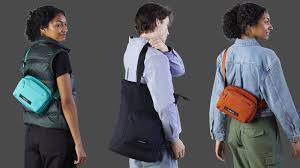
The world is moving towards a more sustainable future, and companies like Timbuk2 are leading the way. The brand has just launched a new line of eco-friendly accessories, made from 100% recycled and recyclable materials. Whether you’re a beach bum or a tech enthusiast, Timbuk2 has got you covered with their latest collection.
The Problem with Disposable Accessories
Disposable bags, wallets, and other accessories have become an integral part of our daily lives. However, the environmental impact of these products is alarming. From plastic waste to microplastics, the consequences of our throwaway culture are far-reaching and devastating. That’s why companies like Timbuk2 are working tirelessly to develop sustainable alternatives.
The Solution: Recycling and Reusing
Timbuk2’s new line is designed with sustainability in mind. Every product, from bags to wallets, is made from recycled materials that would otherwise end up in landfills. The brand has implemented a “Full-Cycle” production process, which ensures that every material is fully recyclable and can be reused multiple times.
The Full-Cycle Production Process
The Full-Cycle production process is the result of Timbuk2’s commitment to sustainability. The company has developed a rigorous standard for evaluating the environmental impact of its products. This includes factors such as:
- Material sourcing: Ensuring that materials are sourced from environmentally responsible suppliers.
- Production processes: Minimizing waste and energy consumption during production.
- End-of-life management: Designing products with recyclability in mind, ensuring they can be easily recycled and reused.
The Benefits of Eco-Friendly Products
So, what are the benefits of using eco-friendly products like Timbuk2’s new line? For starters:
- Reduced waste: By choosing sustainable materials, we can significantly reduce the amount of waste sent to landfills.
- Conservation of resources: Recycling and reusing materials helps conserve natural resources, such as water and energy.
- Lower carbon footprint: Eco-friendly products require less energy to produce and transport, resulting in a lower carbon footprint.
The Future of Accessory Bags
As consumers become increasingly environmentally conscious, companies like Timbuk2 are responding with innovative solutions. The future of accessory bags looks bright, with sustainable materials and production processes leading the way.
The Timbuk2 Line: What to Expect
So, what can you expect from Timbuk2’s new line? Here are some key features:
- Bags: From backpacks to messenger bags, every product is designed with sustainability in mind.
- Wallets and purses: Made from recycled materials, these accessories are both stylish and eco-friendly.
- Covers for iPads and tablets: Protect your devices in style while reducing waste.
The Design Process
When designing products, Timbuk2’s team considers every aspect of the product, including:
- Material selection: Choosing materials that are sustainable, durable, and easy to recycle.
- Product functionality: Ensuring that every product serves a purpose and meets customer needs.
- Aesthetic appeal: Creating designs that are both stylish and functional.
The Sustainability Standard
Timbuk2’s commitment to sustainability is evident in its implementation of the Global Standard Recycle (GSR) standard. This rigorous standard ensures that materials are sourced responsibly, produced with minimal waste and energy consumption, and can be easily recycled and reused.
The Impact on the Environment
By choosing eco-friendly products like Timbuk2’s new line, consumers can significantly reduce their environmental footprint. Here are some ways in which our choices make a difference:
- Reducing plastic waste: By choosing bags made from recycled materials, we can reduce the amount of plastic waste sent to landfills.
- Conserving natural resources: Recycling and reusing materials helps conserve water, energy, and other natural resources.
- Lowering carbon emissions: Eco-friendly products require less energy to produce and transport, resulting in lower carbon emissions.
The Future of Sustainable Materials
As consumers become increasingly environmentally conscious, the demand for sustainable materials is on the rise. Here are some emerging trends in sustainable materials:
- Recycled plastics: Recycled plastics are becoming a popular choice for eco-friendly products.
- Plant-based materials: Plant-based materials, such as bamboo and recycled paper, are gaining popularity.
- Upcycled materials: Upcycled materials, such as repurposed fabric scraps, are being used to create unique and sustainable products.
The Role of Technology
Technology plays a crucial role in reducing waste and conserving resources. Here are some ways in which technology is helping:
- Digital printing: Digital printing reduces the need for ink and paper, resulting in lower waste and emissions.
- Recycling software: Recycling software helps track and manage recycling efforts, making it easier to reduce waste.
- Sustainable manufacturing: Sustainable manufacturing techniques, such as 3D printing, are being used to create products with minimal waste.
Conclusion
Timbuk2’s new line of eco-friendly accessories is a game-changer. By choosing sustainable materials and production processes, we can reduce waste, conserve resources, and lower our carbon footprint. Whether you’re a beach bum or a tech enthusiast, there’s something for everyone in Timbuk2’s latest collection.
Frequently Asked Questions
Q: What is the Full-Cycle production process?
A: The Full-Cycle production process ensures that every material used by Timbuk2 is fully recyclable and can be reused multiple times.
Q: How does Timbuk2 reduce waste in its products?
A: By using recycled materials, minimizing waste during production, and designing products with recyclability in mind.
Q: What are the benefits of choosing eco-friendly products like Timbuk2’s new line?
A: Reduced waste, conservation of resources, and a lower carbon footprint.
Q: Can I recycle my old Timbuk2 bag and get a discount on my new purchase?
A: Yes! Timbuk2 is offering a 20% discount on all purchases made with the receipt of an old Timbuk2 bag.
Q: How does Timbuk2 ensure sustainability in its products?
A: By implementing rigorous standards for material sourcing, production processes, and end-of-life management.
Q: What materials are used in Timbuk2’s new line?
A: 100% recycled and recyclable materials, including PET (polyethylene terephthalate).
Q: Can I purchase individual products from the Full-Cycle collection?
A: Yes! Every product is available for purchase separately.
Q: What is the Global Standard Recycle (GSR) standard that Timbuk2 has implemented?
A: The GSR standard ensures that materials are sourced responsibly, produced with minimal waste and energy consumption, and can be easily recycled and reused.


