
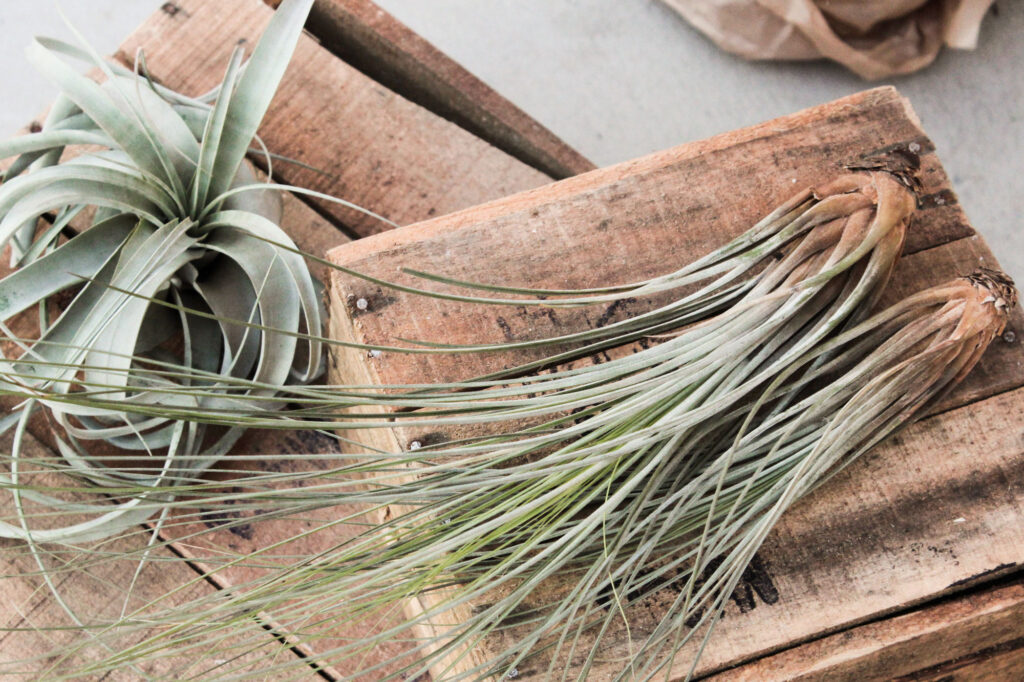
The Air-Purifying Plant That’s Taking the World by Storm: Tillandsia
Tillandsia, a plant belonging to the Bromeliaceae family, hails from Central America but thrives in Mediterranean climates. With over 500 species across six sub-genera, all without underground roots and with the unique ability to absorb moisture from the air, Tillandsia has earned its place among nature’s green superheroes – capable of purifying the air we breathe.
A Breakthrough Discovery
According to University of Bologna tests, Tillandsia can be employed not only to monitor pollution but also to remove pollutants present in the atmosphere. Research reveals that this plant is particularly adept at absorbing benzopireni, polycyclic aromatic hydrocarbons found in incomplete combustion of gasoline and diesel fuel – substances proven to cause cancer.
Urban Oasis: Why Tillandsia is Ideal for City Centers
Its remarkable properties make Tillandsia an excellent addition to urban spaces. By cultivating this plant on balconies overlooking busy streets or city administration buildings, its potential benefits become apparent. Cyclists and pedestrians will thank you! The versatility of Tillandsia means it can thrive in various locations: on light poles, electrical wires, antennae, and even on supports for television antennas, provided they receive regular maintenance.
A Simple yet Effective Method
Unlike other plants that require extensive care, the cultivation of Tillandsia involves minimal upkeep. Its temperature tolerance ranges from 10 to 32 degrees Celsius, allowing it to thrive in a variety of environments. With its capacity to absorb pollutants and moisture, a single wall covered with this plant can potentially clean an entire apartment.
The Benefits of Growing Tillandsia
Growing Tillandsia offers numerous advantages for urban dwellers:
- Air purification
- Low maintenance
- Versatile placement options
Tillandsia is also remarkably adaptable. This plant can thrive in a range of conditions, including both full sun and shade, depending on the specific species.
When to Water
Watering Tillandsia involves using an irrigation system to regularly moisten its leaves. The frequency of watering increases during hot summer months.
The Blooming Beauty of Tillandsia
Tillandsia blooms typically in late summer with a spectacular display of vibrant colors, contrasting against the clear and slender leaves of this beautiful plant.
Caring for Your Tillandsia
While it’s essential to keep your Tillandsia hydrated, there’s no need for pruning. A simple cleaning of dead leaves will suffice.
Reproducing Tillandsia
This method involves using small plants (or “suckers”) taken from mature plants and attaching them to a chosen support with adhesive tape.
The Fight Against Pests
Unfortunately, pests like aphids and spider mites regularly infest this plant. For guidance on natural pest control methods, refer to our dedicated article on the topic.
Acquiring Your Tillandsia
You can find Tillandsia on Amazon in six-pack sets that have garnered positive reviews from users.
Alternative Plants for Growing Tillandsia
If you’re unsure where to grow your Tillandsia, consider pairing it with a Dracaena massangeana. This plant helps improve indoor air quality and is easy to care for.
Tillandsia: The Green Superhero of Air Purification
The Science Behind Air Purification Plants
Air-purifying plants have gained popularity in recent years due to their potential health benefits and ease of maintenance. Tillandsia, a type of epiphyte native to Central America, has garnered attention for its remarkable ability to remove pollutants from the air.
A Closer Look at Tillandsia’s Air-Purification Capabilities
Tillandsia’s unique characteristics make it an ideal candidate for air purification:
- High Absorption Rate: Tillandsia can absorb up to 90% of airborne pollutants, making it a highly effective air purifier.
- Low Maintenance: Unlike other plants, Tillandsia requires minimal care and maintenance, making it perfect for busy individuals or those new to plant parenthood.
The Benefits of Using Tillandsia in Air-Purification Systems
Tillandsia offers several benefits when used in air-purification systems:
- Improved Indoor Air Quality: By removing pollutants from the air, Tillandsia helps create a healthier indoor environment.
- Reduced Allergies and Asthma: The removal of airborne allergens and irritants can lead to reduced allergy and asthma symptoms.
Tips for Effective Tillandsia Care
To ensure optimal performance and longevity of your Tillandsia, follow these care tips:
- Lighting: Provide bright, indirect light for your Tillandsia.
- Watering: Water your Tillandsia thoroughly, allowing the soil to dry slightly between waterings.
- Humidity: Maintain a humid environment by placing the plant on a tray filled with water and pebbles.
Common Challenges and Solutions
While caring for your Tillandsia, you may encounter some common challenges:
- Pests: Regularly inspect your plant for signs of pests, such as aphids or spider mites. Use natural pest control methods to address infestations.
- Overwatering: Be cautious not to overwater your Tillandsia, as this can lead to root rot and other issues.
Frequently Asked Questions
Here are some frequently asked questions about Tillandsia:
- Q: How often should I water my Tillandsia?
A: Water your Tillandsia thoroughly once a week during the spring and summer months. - Q: Can I grow Tillandsia in low light conditions?
A: While Tillandsia prefers bright, indirect light, it can tolerate low light conditions. However, its growth may be slower.
Conclusion
Tillandsia is an excellent addition to any air-purification system, offering numerous benefits for indoor air quality and overall health. By following proper care tips and addressing common challenges, you can enjoy the many rewards of Tillandsia ownership.
Frequently Asked Questions:
- What are the main types of pollution that Tillandsia can remove from the air?
- Benzopireni (polycyclic aromatic hydrocarbons)
- Particulate matter
- Volatile organic compounds
- Can I grow multiple Tillandsia plants together in one pot?
- Yes, but be cautious not to overwater or overcrowd the plant.
-
How often should I fertilize my Tillandsia?
- Fertilize your Tillandsia once a month during the growing season (spring and summer) with a balanced fertilizer.
-
Can I use Tillandsia as a natural air purifier in my car?
- Yes, but be aware that this may not eliminate all pollutants and that regular cleaning is required to maintain effectiveness.
-
How long does it take for a new Tillandsia plant to bloom?
- The blooming period can vary from one species to another, typically ranging from 3-12 months after transplantation.
-
What are some common pests that affect Tillandsia plants?
- Aphids
- Spider mites
- Mealybugs
-
Can I propagate Tillandsia using seeds?
- While it’s possible to propagate Tillandsia using seeds, this method can be slow and may not produce a healthy plant.
-
How do I care for my Tillandsia during the winter months?
- Reduce watering and fertilization during the winter months, as the plant requires less moisture and nutrients.
-
Can I use Tillandsia in a terrarium or aquarium?
- Yes, but be cautious not to overwater or overcrowd the plant, as this can lead to root rot and other issues.
-
How do I identify a healthy Tillandsia plant?
- A healthy Tillandsia plant will have:
- Bright green leaves
- A robust stem
- No signs of pests or disease
- A healthy Tillandsia plant will have:


