
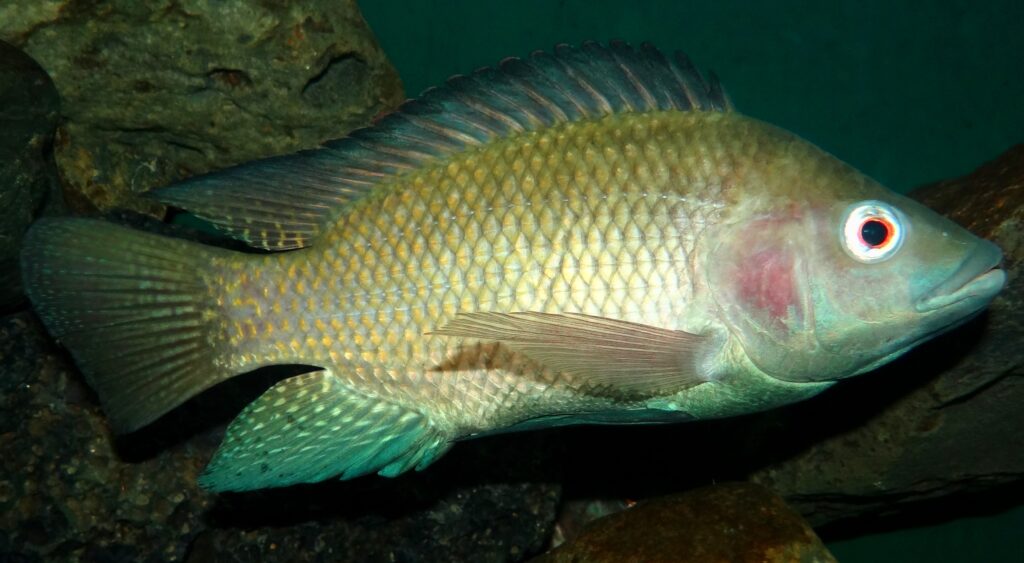
Have you ever heard of tilapia? It’s likely that few people know about this fish, yet it is one of the most widely consumed species globally. Easy to raise and affordable, tilapia has become a staple in many cuisines around the world. But what makes it so popular? Is it because it’s delicious, cheap, adaptable to various environments, or simply convenient for manufacturers?
Characteristics of Tilapia
When we talk about tilapia, we’re usually referring to two specific species: Oreochromis niloticus and Aurea. These fish are widely farmed and consumed due to their mild flavor and low mercury content. Unlike other fish, tilapia is a vegetarian, which means it doesn’t accumulate mercury in its flesh. However, this also means that it lacks the benefits of omega-3 fatty acids found in many other fish.
The pros of tilapia’s plant-based diet include lower costs for farmers, as they don’t need to provide additional feed or maintain water quality. This makes tilapia a more sustainable option compared to other farmed fish species. However, the lack of omega-3s also means that tilapia can be considered “fish without the benefits of eating fish.” It’s a curious paradox that highlights the complexities of this popular seafood choice.
Tilapia: The Unsuspecting Superfood
Despite its widespread consumption, many people are unaware of tilapia’s nutritional profile. While it may not have the same health benefits as other fish, tilapia is still a good source of vitamins B and minerals like phosphorus and potassium. Its mild flavor and low mercury content also make it an attractive option for consumers.
However, this convenience comes with a cost. The intensive farming practices used to raise tilapia often result in lower nutritional value and higher levels of pollutants like PCBs and dioxins. This raises questions about the long-term health impacts of consuming tilapia on a regular basis.
Tilapia Farming: A Double-Edged Sword
Tilapia farming has become a significant industry, with many countries exporting large quantities of farmed fish. In Cuba, for example, tilapia farming has been practiced since the 1980s, and the country is now one of the world’s largest exporters of tilapia blocks. These blocks have become a staple in many cuisines, from Asian to European markets.
However, intensive farming practices can lead to environmental degradation and health concerns. The use of antibiotics and pesticides to control disease outbreaks and pests can result in high levels of contaminants in the fish. Moreover, the rapid growth rate of farmed tilapia often requires the use of unhealthy feed, which can further compromise the nutritional value of the fish.
The Dark Side of Tilapia Farming
One of the most significant concerns surrounding tilapia farming is the impact on water quality and biodiversity. Intensive farming practices can lead to the degradation of aquatic ecosystems, as well as the loss of native species that are displaced by farmed tilapia. In some cases, these farms have even been known to contribute to the spread of invasive species.
Furthermore, the use of antibiotics and pesticides in tilapia farming has raised concerns about antibiotic resistance and pesticide exposure. These chemicals can contaminate waterways and soil, posing a risk to human health and wildlife.
Tilapia: A Fish for All Seasons
For those looking to avoid farmed fish or choose a more sustainable option, there is still hope. Small-scale tilapia farms in Italy are producing high-quality fish that can be found at local markets. However, even these smaller operations often face challenges due to limited resources and market demand.
Moreover, the filets of tilapia are often mislabeled as those of more expensive and nutritious fish like pikeperch. This can lead to consumers making uninformed choices about their seafood options. With a little knowledge and awareness, however, consumers can make more informed decisions about the fish they choose to eat.
Tilapia in Cuisine Around the World
Tilapia is widely consumed in many cuisines around the world, from Asian stir-fries to European salads. Its mild flavor makes it an ideal choice for a wide range of dishes, and its affordability has made it a staple in many households.
However, the popularity of tilapia has also led to concerns about overfishing and the impact on wild tilapia populations. In some cases, farmed tilapia may be used as a substitute for wild-caught species, leading to a decline in biodiversity and ecosystem health.
Conclusion
Tilapia is a fish that has become ubiquitous in many cuisines around the world. While it may not offer the same nutritional benefits as other fish, its mild flavor and low mercury content make it an attractive option for consumers. However, concerns about intensive farming practices and environmental degradation highlight the need for more sustainable and responsible aquaculture practices.
As consumers, we have a responsibility to make informed choices about the seafood we choose to eat. By choosing options that are certified as sustainably sourced or produced locally, we can help support healthier oceans and more resilient ecosystems. The story of tilapia serves as a reminder that even seemingly innocuous foods can have complex implications for our health and the environment.
FAQs
Q: Is tilapia a good source of omega-3 fatty acids?
A: No, tilapia is not a significant source of omega-3 fatty acids due to its vegetarian diet.
Q: Why is tilapia often used in aquaculture farming?
A: Tilapia is an adaptable species that can thrive in various environments, making it an attractive option for intensive farming practices.
Q: What are the concerns about tilapia’s nutritional value?
A: Intensive farming practices can lead to lower nutritional values and higher levels of pollutants like PCBs and dioxins.
Q: Are tilapia farms sustainable?
A: While some tilapia farms are more sustainable than others, many intensive farming practices have negative environmental impacts and compromise animal welfare.
Q: Can I find locally sourced or sustainably produced tilapia in my area?
A: Yes, many local markets and seafood restaurants now offer certified sustainably sourced fish options.
Q: How can I choose a safer and healthier seafood option?
A: Look for certifications like ASC (Aquaculture Stewardship Council) or MSC (Marine Stewardship Council), which ensure more sustainable and responsible fishing practices.
Conclusion
In conclusion, tilapia is a complex fish that has become ubiquitous in many cuisines around the world. While it may not offer the same nutritional benefits as other fish, its mild flavor and low mercury content make it an attractive option for consumers. However, concerns about intensive farming practices and environmental degradation highlight the need for more sustainable and responsible aquaculture practices.
As we move forward, it’s essential to consider the impact of our food choices on the environment and human health. By making informed decisions about the seafood we choose to eat, we can help create a more sustainable future for our oceans and ecosystems.
Additional Resources
For those interested in learning more about tilapia farming and sustainability, there are several resources available:
- The Aquaculture Stewardship Council (ASC) provides certification for responsible aquaculture practices.
- The Marine Stewardship Council (MSC) certifies seafood products that meet rigorous sustainability standards.
- The World Wildlife Fund (WWF) offers guidance on sustainable seafood choices and aquaculture practices.
By choosing certified sustainable seafood options, we can help support healthier oceans and more resilient ecosystems.


