
The Tibouchina: A Tropical Beauty for Your Home
Are you looking to add some tropical flair to your home? Look no further than the tibouchina, a stunning evergreen shrub native to the Americas. With over 200 species to choose from, this versatile plant is sure to bring a touch of exotic beauty to any room.
Characteristics of the Tibouchina
So, what makes the tibouchina so special? Let’s dive in and explore its unique characteristics.
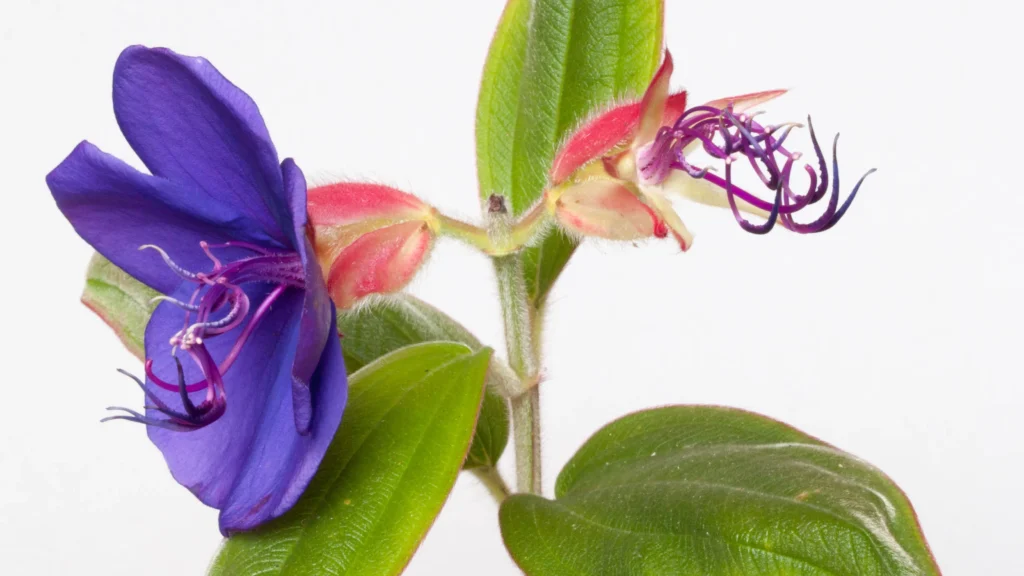
- The tibouchina has sturdy, quadrangular stems that support long, oval-shaped leaves with a bronze-green color and 3-5 prominent nerves. These leaves are often velvety to the touch and can grow up to 10 cm (4 inches) in length.
- The plant produces large, showy flowers in shades of purple-red, accompanied by a hairy calyx and a delicate tubicino that opens to reveal five broad, ovate petals. These flowers can grow up to 8 cm (3 inches) long and are often fragrant, drawing in pollinators like bees and butterflies.
- In its natural habitat, the tibouchina can grow up to five meters tall, while indoors it typically reaches a height of two meters. This makes it an ideal choice for indoor containers or outdoor landscaping.
Growing Conditions
To keep your tibouchina happy and thriving, here are some essential growing conditions to consider:
- Temperature: Keep your plant in an area with temperatures between 24-27°C (75-80°F), avoiding drafts and extreme cold. The tibouchina is sensitive to frost, so it’s best to keep it indoors during the winter months or in a protected outdoor location.
- Lighting: Provide bright, indirect light for optimal growth. Avoid direct sunlight, which can cause scorching and discoloration of the leaves. East- or west-facing windows are ideal for tibouchinas.
- Soil: Use a well-draining potting mix specifically designed for tropical plants like the tibouchina. This will help prevent waterlogged soil and root rot.
Caring for Your Tibouchina
To ensure your plant stays healthy and vibrant, follow these care tips:
- Watering: Water thoroughly, allowing excess water to drain from the pot. Avoid overwatering, which can lead to root rot and other problems.
- Fertilization: Feed with a balanced fertilizer during the growing season (spring-fall). Dilute the fertilizer to half the recommended strength to avoid burning the roots.
- Pruning: Prune after flowering to maintain shape and encourage new growth. Remove any dead or damaged leaves or stems, and trim back overgrown branches.
Pest Control
Preventative measures are key to keeping pests at bay:
- Monitor your plant regularly for signs of infestation, such as spider mites, mealybugs, or scale insects.
- Use neem oil or insecticidal soap to treat any issues promptly. These natural pesticides are gentle on the plant and can be used repeatedly without harming it.
- Maintain high humidity levels in the environment to discourage pest populations. You can achieve this by placing the pot on a tray filled with water and pebbles or using a humidifier.
Propagation and Reproduction
To share your tibouchina with friends or start a new one, consider these propagation methods:
- Stem Cutting: Cut 12-15 cm sections from mature stems and plant them in moist soil. Remove lower leaves, leaving only two or three sets of leaves at the top. Water thoroughly and provide bright, indirect light.
- Division: Divide overgrown plants into smaller sections to create new individuals. This method is best done in the spring when the plant is actively growing.
Fun Facts
Here are some interesting tidbits about the tibouchina:
- In Brazil, this shrub is known as “quarsmeira,” meaning it blooms during Lent (Quaresima). The tibouchina’s vibrant flowers are a popular choice for decorating homes and churches during this time.
- The tibouchina’s vibrant flowers symbolize sacrifice and self-control in Christian tradition. The plant’s name, Tibouchina, is derived from the Tupi language, meaning “to adorn” or “to decorate.”
- These plants have adapted to thrive in environments with limited resources, making them a popular choice for eco-friendly gardening.
FAQs
Here are some frequently asked questions about the tibouchina:
- Q: What is the best way to propagate a tibouchina?
A: Stem cutting or division. - Q: Can I grow a tibouchina outdoors year-round?
A: No, it prefers temperatures between 24-27°C (75-80°F). The tibouchina is sensitive to frost and extreme cold, so it’s best to keep it indoors during the winter months or in a protected outdoor location. - Q: How often should I water my tibouchina?
A: Thoroughly, allowing excess water to drain from the pot. - Q: What are some common pests that affect tibouchinas?
A: Spider mites, mealybugs, and scale insects.
By following these guidelines and tips, you’ll be well on your way to creating a stunning tropical oasis in your home with this beautiful plant.


