
As we explore the fascinating world of plants, one genus that often flies under the radar is Thunbergia. This versatile and beautiful plant has been a favorite among gardeners for its unique characteristics, stunning flowers, and adaptability to various environments. In this comprehensive guide, we’ll delve into the world of Thunbergia, exploring its characteristics, species, care requirements, and common maladies.
What is Thunbergia?
Thunbergia, also known as Tunbergia, belongs to the Acanthaceae family and is native to Africa and Asia. With over 100 species, this genus offers a diverse range of options for gardeners and indoor plant enthusiasts alike. Thunbergia plants are popular for their attractive foliage, showy flowers, and ability to thrive in temperate climates.
Characteristics of Thunbergia
Thunbergia plants boast a unique set of characteristics that make them stand out from other plants:
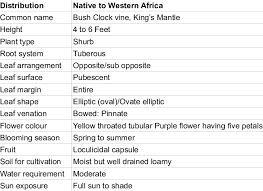
- Leaves: Simple, often opposite leaves with varying sizes and shapes.
- Flowers: Showy, trumpet-shaped flowers with vibrant colors, typically 5-petaled and arranged in clusters or solitary blooms.
- Fruit: Small, capsule-like fruits containing multiple seeds.
Thunbergia Species
Some of the most popular Thunbergia species include:
- T. Fragrans: Native to India, this species features heart-shaped leaves with white, 3-centimeter-wide flowers that bloom during the summer months.
- T. Coccinea: Originating from India and Myanmar, this variety produces stunning red flowers with a yellow or orange center during the spring season.
- T. Grandiflora: Hailing from northern India, this ramping species can reach heights of up to 5 meters and boasts long, blue-violet flowers measuring up to 8 centimeters.
Care and Maintenance
To keep your Thunbergia plant thriving:
- Lighting: Provide filtered sunlight or dappled shade, as direct sunlight may cause burning.
- Temperature: Maintain a consistent temperature between 10°C and 24°C (50°F-75°F), avoiding extreme temperatures.
- Watering: Water thoroughly, allowing the soil to dry slightly between waterings to prevent root rot.
Pruning and Training
To keep your Thunbergia plant looking its best:
- Prune dead or damaged leaves and stems to promote healthy growth.
- Train the plant to grow upwards using trellises or stakes, especially for larger varieties like T. Grandiflora.
Common Maladies
Thunbergia plants can be susceptible to certain pests and diseases:
- Aphids: Small, white insects that can be controlled with specialized treatments.
- Acari: Tiny mites that can cause yellow or brown spots on the leaves. Maintain a humid environment and use targeted products if necessary.
Pest Control
To prevent infestations, monitor your Thunbergia plant regularly for signs of pests:
- Inspect leaves and stems for small, white insects.
- Use neem oil or insecticidal soap to control aphid populations.
- Maintain a balanced fertilizer diet to keep your plant healthy.
Diseases
To prevent diseases, maintain good hygiene practices:
- Remove any diseased or damaged parts of the plant.
- Increase air circulation by pruning nearby plants.
- Use fungicides specifically designed for Acanthaceae family plants.
Propagation
Thunbergia plants can be easily propagated through stem cuttings, layering, or seed germination:
- Take 4-6 inch stem cuttings with at least two sets of leaves.
- Plant the cutting in a well-draining potting mix and maintain high humidity.
- Alternatively, layer new growth on the ground to create roots.
Conclusion
Thunbergia plants are a delightful addition to any garden or indoor space, offering stunning flowers and attractive foliage. By understanding their characteristics, species, care requirements, and common maladies, you’ll be well-equipped to provide the best possible conditions for these beautiful plants to thrive.
Frequently Asked Questions (FAQs)
- What is the ideal temperature range for Thunbergia?
- Temperatures between 10°C and 24°C (50°F-75°F) are recommended.
- How often should I water my Thunbergia plant?
- Water thoroughly, allowing the soil to dry slightly between waterings to prevent root rot.
- Can Thunbergia plants be grown indoors?
- Yes, they can thrive in indoor environments with filtered sunlight or dappled shade.
- What is the best way to treat aphid infestations on Thunbergia?
- Use specialized treatments to control aphid populations.
By answering these FAQs and following the care guidelines outlined in this article, you’ll be well on your way to creating a beautiful and thriving Thunbergia garden or indoor space.


