
Introduction
When we think of trees, we often associate them with shelter, shade, and beauty. However, some trees possess remarkable health benefits that can be harnessed for our well-being. The Tuia tree, also known as Arbor Vitae, is one such example. Native to North America and Asia, this coniferous evergreen has been used for centuries in traditional medicine to combat various ailments. In this article, we will delve into the world of Tuia, exploring its characteristics, uses in omeopatia, benefits for skin and health issues, and how to incorporate it into your daily life.
What is Tuia?
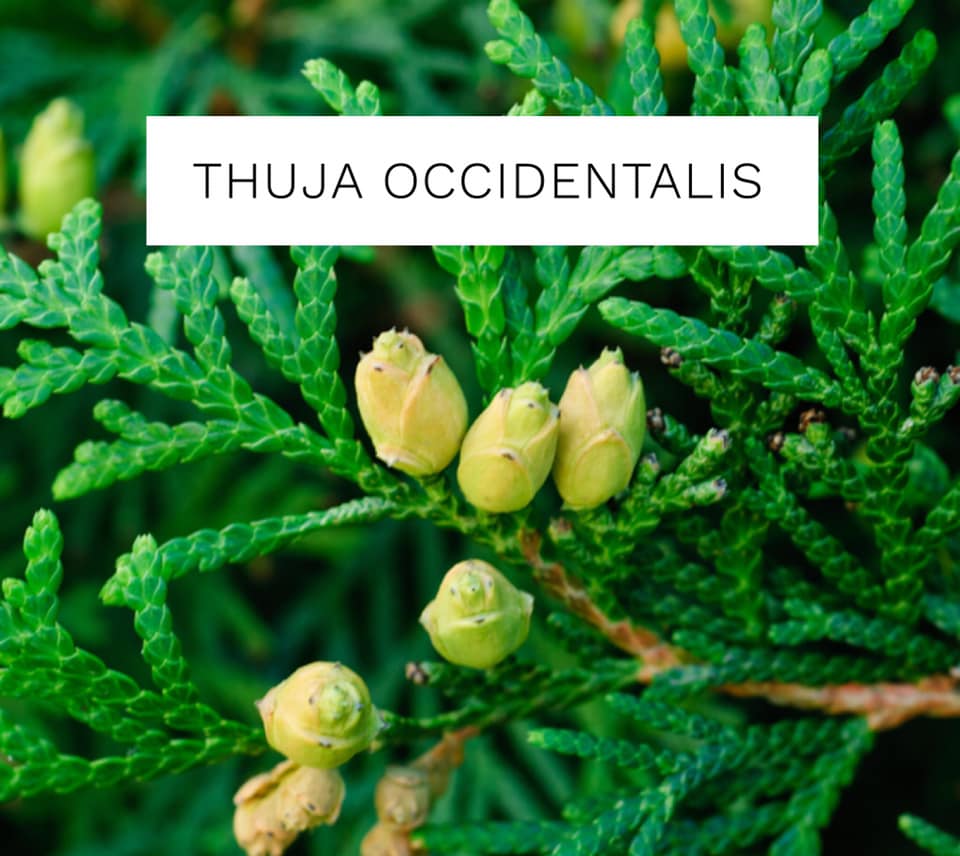
Tuia refers to a dozen or more coniferous evergreen trees characterized by rapid growth, often reaching two meters in height. The most common species include Thuja occidentalis, Thuja plicata, and Thuja sicensis. The tree’s distinctive features include its erect trunk, pyramidal or flame-shaped foliage, and small, scaly leaves.
Characteristics of Tuia
The Tuia tree’s unique characteristics make it an attractive addition to any landscape. Some notable features include:
- Rapid growth: Tuia trees can grow up to 2 meters in height per year, making them a popular choice for hedges and screens.
- Durable foliage: The tree’s leaves are small and scaly, providing protection from wind, rain, and cold temperatures.
- Fragrant flowers: In the spring, Tuia trees produce white or yellowish flowers that release a pleasant aroma.
Tuia in Omeopatia
The Tuia tree has been used for centuries in traditional medicine to treat various ailments. The leaves of the tree contain high levels of vitamin C, making them an excellent natural remedy for:
- Scorbutic symptoms: Vitamin C is essential for preventing and treating scurvy, a condition caused by a lack of vitamin C.
- Immune system support: Vitamin C plays a vital role in maintaining a healthy immune system, helping to fight off infections and diseases.
Tuia: Tintura Madre e Olio Essenziale
The leaves of the Tuia tree can be used to create a natural remedy for various health issues. Some common uses include:
- Skin problems: The leaf’s vitamin C content makes it an excellent treatment for skin conditions such as acne, eczema, and psoriasis.
- Inflammation relief: The oil extracted from the leaves has anti-inflammatory properties, making it a popular remedy for relieving pain and reducing inflammation.
Tuia: Pianta da Siepe
The Tuia tree is also prized for its ornamental value. It can be used to create beautiful hedges, screens, and borders. Some popular varieties include:
- Thuja occidentalis: A fast-growing evergreen tree with a pyramidal shape.
- Thuja plicata: A coniferous tree with distinctive foliage resembling scales.
- Thuja sicensis: A small to medium-sized evergreen tree with rounded leaves.
Tuia in Vaso
If you’re unable to plant the Tuia tree in your garden, consider growing it in a pot. This can be done by:
- Sowing seeds: Obtain Tuia seeds from reputable suppliers and sow them indoors or outdoors.
- Using seedlings: Purchase Tuia seedlings from nurseries or online retailers.
Growing Tuia Trees: Tips and Tricks
To ensure optimal growth, follow these tips when growing Tuia trees in pots:
- Choose a suitable container: Select a pot with good drainage to prevent waterlogged soil.
- Use well-draining soil: Mix organic matter like compost or perlite into the soil for improved drainage and nutrient retention.
- Provide indirect sunlight: Place the tree near a window with filtered light to maintain a consistent temperature between 15°C and 25°C.
- Water regularly: Water the tree when the top inch of soil feels dry, avoiding overwatering that can lead to root rot.
Tuia Leaves: Preparing the Tintura Madre
To create the tintura madre, follow these steps:
- Harvest fresh leaves: Choose healthy leaves with no signs of damage or disease.
- Wash and dry the leaves: Clean the leaves thoroughly with water, then dry them in a cool, well-ventilated area.
Creating Tuia Ointment: Recipe
To create ointment using Tuia oil, follow these steps:
- Extract Tuia oil: Use a solvent like ethanol or glycerin to extract the oil from fresh leaves.
- Dilute the oil: Mix the extracted oil with a carrier oil like coconut or olive oil in a ratio of 1:5.
Conclusion
The Tuia tree is a versatile and remarkable plant with numerous health benefits and uses. Whether you’re looking to harness its vitamin C content, create natural remedies, or add it to your landscape, the Tuia tree is an excellent choice.
FAQs
- What are the most common species of Tuia trees?
- Thuja occidentalis (American Arborvitae)
- Thuja plicata (Japanese Cedar)
- Thuja sicensis (Cypriot Arborvitae)
- How do I use Tuia leaves in omeopatia?
- Consume the leaf’s vitamin C content by making a tea from the leaves.
- Use the oil extracted from the leaves for skin and health issues.
-
Can I grow Tuia trees in my garden?
- Yes, Tuia trees can be grown in well-drained soil with full sun to partial shade.
- Plant seeds or seedlings in the spring or fall for optimal growth.
-
How do I care for my Tuia tree in a pot?
- Water the tree regularly, but avoid overwatering.
- Provide indirect sunlight and maintain a consistent temperature between 15°C and 25°C.
-
Can I use Tuia leaves as a natural remedy for stress and anxiety?
- Yes, the leaf’s vitamin C content can help alleviate symptoms of stress and anxiety.
- Consume the leaf’s tea or oil to reap its benefits.
-
How do I choose the best variety of Tuia tree for my landscape?
- Consider factors such as growth rate, foliage shape, and color when selecting a variety.
- Research reputable suppliers and nurseries to find the best option for your needs.


