
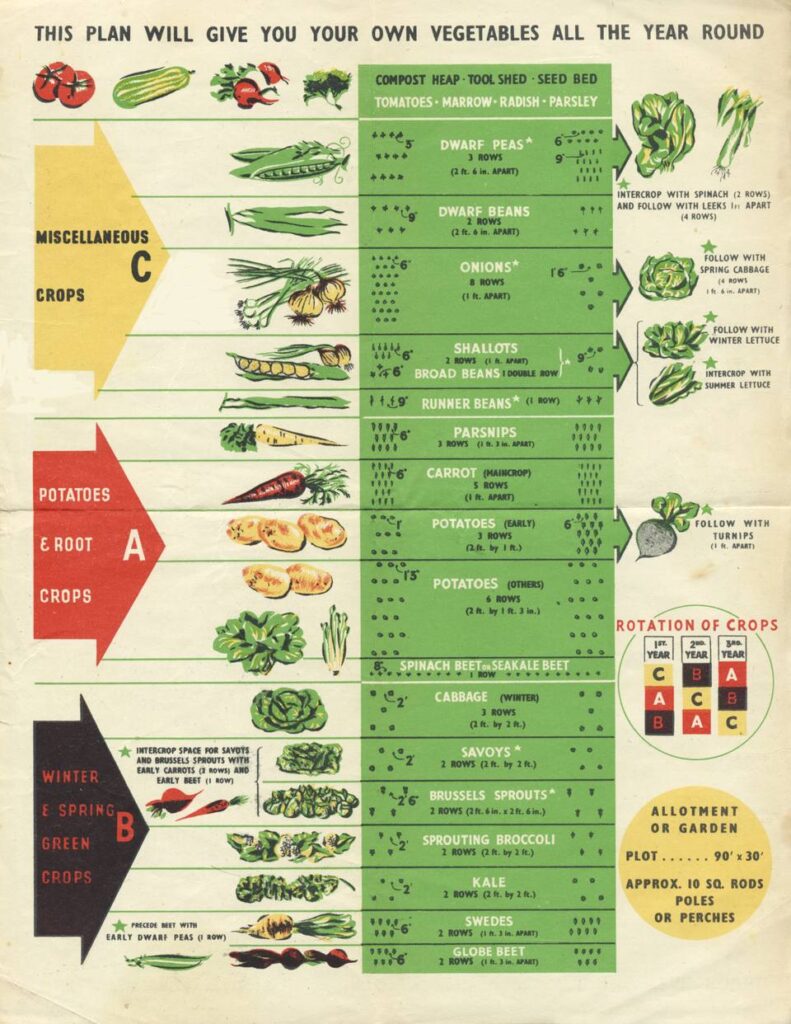
Crop rotation is a fundamental practice in gardening that has been used for thousands of years to maintain soil health, reduce pests and diseases, and increase crop yields. In this article, we will explore the benefits of a three-year crop rotation plan, including its history, advantages, and how to implement it in your own garden.
Why Rotate Crops?
Crop rotation is not just about changing up the types of plants you grow in your garden. It’s also about maintaining soil health and reducing the risk of pests and diseases. When you plant the same crop in the same spot year after year, you can end up depleting the soil of nutrients and creating an environment that’s ripe for pest and disease problems.
By rotating crops, you can break these cycles and create a more balanced ecosystem in your garden. This is especially important if you’re using organic methods to manage pests and diseases, as these methods often rely on the natural balance of the soil and ecosystem.
The History of Crop Rotation
Crop rotation has been around for thousands of years, with evidence of its use dating back to ancient civilizations such as the Egyptians and Greeks. However, it wasn’t until the 19th century that crop rotation became a widely accepted practice in Western agriculture.
Today, crop rotation is still an essential part of sustainable gardening practices, with many gardeners relying on it to maintain healthy soil and reduce their environmental impact.
How to Implement a Three-Year Crop Rotation Plan
So, how do you implement a three-year crop rotation plan in your own garden? Here are some steps to follow:
- Assess Your Soil: Before you start rotating crops, take a closer look at your soil. What types of plants thrive in your soil? Are there any areas where the soil is particularly poor or depleted?
- Choose Your Crops: Select three crops that will work well together and complement each other. Consider factors such as nutrient requirements, growth habits, and pest resistance.
- Plan Your Rotations: Based on your crop choices, plan out your rotations for the next three years. Make sure to leave some space between each crop to allow for proper growth and soil recovery.
- Prepare Your Soil: Before you plant your first crop, make sure to prepare your soil by adding organic matter such as compost or manure.
The Three-Year Crop Rotation Plan
So, what does a typical three-year crop rotation plan look like? Here’s an example:
Year 1: Brassicas and Root Vegetables
- Plant brassicas such as broccoli, cauliflower, and kale
- Add root vegetables such as carrots, beets, and turnips
Year 2: Legumes and Alliums
- Plant legumes such as beans, peas, and lentils
- Add alliums such as garlic, onions, and shallots
Year 3: Solanae and Cucurbits
- Plant solanae such as tomatoes, peppers, and eggplants
- Add cucurbits such as squash, melons, and cucumbers
Benefits of a Three-Year Crop Rotation Plan
So, what are the benefits of using a three-year crop rotation plan? Here are just a few:
- Improved Soil Health: By rotating crops, you can improve soil health by adding organic matter, reducing pests and diseases, and increasing nutrient availability.
- Increased Crop Yields: By creating a balanced ecosystem in your garden, you can increase crop yields and reduce the risk of pest and disease problems.
- Reduced Environmental Impact: By using organic methods to manage pests and diseases, you can reduce your environmental impact and create a more sustainable garden.
Frequently Asked Questions
Here are some frequently asked questions about three-year crop rotation plans:
Q: What crops should I plant in each year of my rotation plan?
A: Choose crops that complement each other and meet the nutrient requirements of your soil. Consider factors such as growth habits, pest resistance, and nutritional needs.
Q: How often should I rotate my crops?
A: Rotate your crops every three years to maintain soil health and reduce pests and diseases.
Q: What types of organic matter can I add to my soil?
A: Compost, manure, leaf mold, and green manure are all good options for adding organic matter to your soil.
Q: Can I use chemical pesticides and fertilizers in a three-year crop rotation plan?
A: No, it’s best to avoid using chemical pesticides and fertilizers in a three-year crop rotation plan. Instead, focus on using organic methods to manage pests and diseases and maintain soil health.
Q: How can I track my progress and adjust my rotation plan as needed?
A: Keep a garden journal or use a mobile app to track your progress and make adjustments to your rotation plan as needed.
Pacciamatura
One of the key components of a three-year crop rotation plan is pacciamatura, also known as “leave it” or “do nothing.” Pacciamatura involves leaving some areas of your garden unattended for a period of time to allow weeds and other pests to die off naturally.
By pacciamaturaing certain areas of your garden, you can:
- Reduce pest populations
- Improve soil health
- Increase crop yields
Benefits of Pacciamatura
So, what are the benefits of using pacciamatura in your three-year crop rotation plan? Here are just a few:
- Reduced Weed Growth: By leaving certain areas of your garden unattended, you can reduce weed growth and create a more balanced ecosystem.
- Improved Soil Health: Pacciamatura can help improve soil health by reducing the number of pests and diseases that thrive in an area.
- Increased Crop Yields: By creating a more balanced ecosystem in your garden, you can increase crop yields and reduce the risk of pest and disease problems.
Conclusion
Crop rotation is an essential practice for any gardener, providing numerous benefits for soil health, crop yields, and environmental sustainability. By implementing a three-year crop rotation plan, you can create a more balanced ecosystem in your garden and reduce your reliance on chemical pesticides and fertilizers. Remember to assess your soil, choose compatible crops, plan your rotations, prepare your soil, and track your progress to achieve optimal results.
Frequently Asked Questions
Q: What is pacciamatura?
A: Pacciamatura is a process of leaving some areas of your garden unattended for a period of time to allow weeds and other pests to die off naturally.
Q: Why is it important to use pacciamatura in a three-year crop rotation plan?
A: Pacciamatura can help improve soil health, reduce pest populations, and increase crop yields.
Q: How often should I pacciamatura my garden?
A: It’s recommended to pacciamatura your garden once a year, but it can be done more frequently depending on your specific needs and climate.
Q: What are some examples of beneficial crops for each phase of the three-year rotation plan?
A: Brassicas and root vegetables are good choices for the first year, while legumes and alliums are suitable for the second year. Solanae and cucurbits are well-suited for the third year.
Q: Can I use a three-year crop rotation plan with companion planting?
A: Yes, a three-year crop rotation plan can be combined with companion planting to create an even more balanced and diverse garden ecosystem.


