
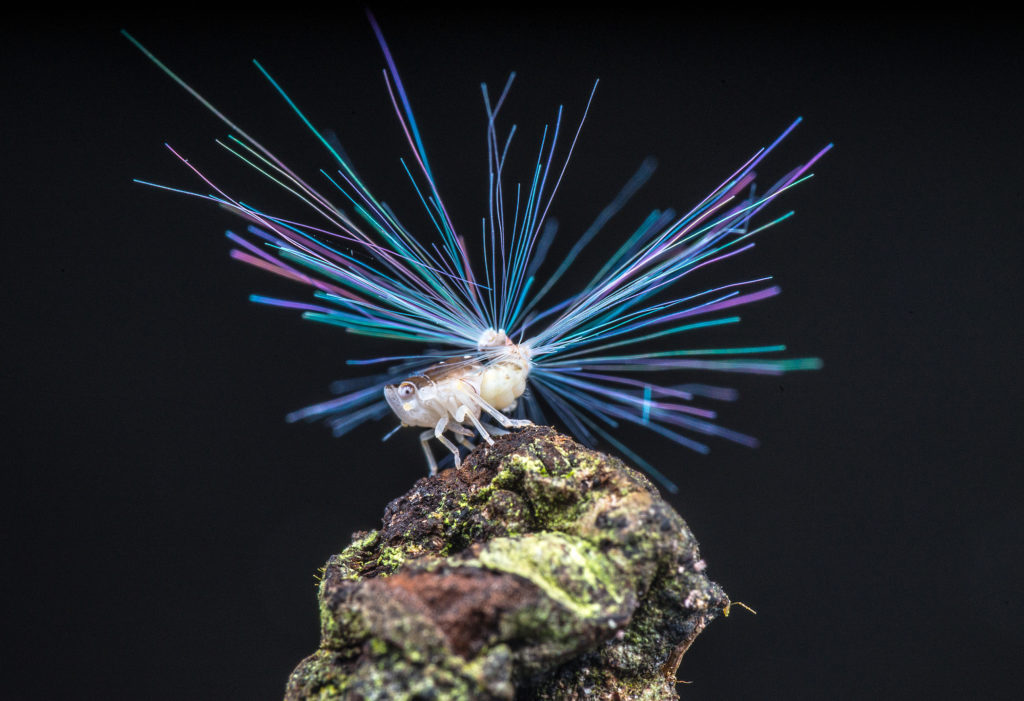
Entomology is the branch of science that deals with the study of insects. This vast field of study encompasses all aspects of insect biology, including their behavior, ecology, evolution, and impact on the environment. With over 1.5 million described species, entomology is one of the largest categories of living organisms on our planet.
What is Entomology?
Entomology has a rich history dating back to the 16th century when naturalists first began studying insects for their agricultural significance. Initially, entomologists focused on pests that damaged crops and livestock. Over time, entomology evolved into a distinct scientific discipline in the 17th century, with the establishment of formal training programs and research institutions.
The Evolution of Entomology
Entomology has undergone significant transformations over the centuries. In ancient Greece, philosophers such as Aristotle and Theophrastus studied insects to better understand their behavior and potential uses. Later, in the Middle Ages, monasteries became centers for entomological research, where monks would collect and study insect specimens.
In the 17th century, the establishment of formal training programs and research institutions marked the beginning of modern entomology. The Royal Entomological Society (RES) was founded in London in 1833, and the American Entomological Society (AES) followed in 1859. These organizations provided a platform for entomologists to share their knowledge, conduct collaborative research, and advance the field.
What Do Entomologists Do?
Entomologists are scientists who specialize in the study of insects and their interactions with humans and the environment. Their work involves:
- Studying and cataloging new insect species
- Investigating the evolution and development of insects
- Collecting and analyzing insect specimens
- Collaborating on research projects to understand insect behavior and ecology
Entomologists can be found working in a variety of settings, including academia, research institutions, government agencies, and private industry. They may specialize in specific areas such as:
- Pest management: Entomologists work with farmers, governments, and other stakeholders to develop strategies for managing pests that damage crops or livestock.
- Conservation: Researchers study the ecology and behavior of insects to better understand their role in ecosystems and how they can be conserved.
- Forensic entomology: This specialized field applies insect biology to aid in criminal investigations, such as determining time of death.
The Field of Entomological Agriculture
Entomology agriculture focuses on the study of insects and their interactions with plants, as well as their impact on agricultural productivity. This field involves developing strategies to manage pests and diseases that affect crops, while also promoting beneficial insects that can enhance plant growth and yield.
Some key areas of research in entomological agriculture include:
- Pest management: Developing integrated pest management (IPM) strategies that combine physical, cultural, biological, and chemical controls to minimize harm to non-target species.
- Crop pollination: Studying the behavior and ecology of pollinators such as bees and butterflies to improve crop yields and biodiversity.
- Soil health: Investigating the role of insects in maintaining soil health and fertility.
How to Become an Entomologist
Becoming an entomologist requires a strong foundation in biology and natural sciences. After completing high school, aspiring entomologists should pursue a degree in entomology or a related field, such as biology or ecology. A master’s or Ph.D. degree may be required for advanced research positions.
Some common degrees pursued by entomologists include:
- Bachelor of Science (B.S.) in Entomology
- Master of Science (M.S.) in Entomology
- Doctor of Philosophy (Ph.D.) in Entomology
Internships and Research Experience
Gaining practical experience through internships or research positions is essential for aspiring entomologists. These opportunities provide hands-on training, mentorship, and exposure to various aspects of the field.
Some common internship programs include:
- National Institute of Food and Agriculture (NIFA) Internships
- United States Department of Agriculture (USDA) Research Fellowships
- Entomological Society of America (ESA) Student Awards
The Importance of Entomology
Entomology is an essential field that plays a critical role in understanding and managing insect populations. By studying insects, we can:
- Develop effective pest management strategies to protect crops and human health
- Promote biodiversity and conservation efforts
- Improve our understanding of ecosystem processes and the impact of climate change
Applications of Entomological Research
Entomological research has numerous practical applications in various fields, including:
- Agriculture: Developing pest management strategies that minimize harm to non-target species.
- Conservation: Identifying areas where insect populations are declining or extinct.
- Environmental monitoring: Studying the role of insects in ecosystems and their responses to environmental changes.
Some notable examples of entomological research include:
- The development of genetically modified crops that resist specific pests
- Research on the behavioral ecology of pollinators to improve crop yields
- Investigations into the ecological impacts of pesticides on non-target species
Frequently Asked Questions
- What is an entomologist?
An entomologist is a scientist who specializes in the study of insects. - How many species of insects are there?
There are approximately 1.5 million described species of insects, with many more still to be discovered and classified. - What kind of research do entomologists conduct?
Entomologists conduct research on all aspects of insect biology, including behavior, ecology, evolution, and impact on the environment. - How can I become an entomologist?
To become an entomologist, pursue a degree in entomology or a related field, such as biology or ecology, and gain experience through internships or research positions. -
What are some common applications of entomological research?
Entomological research has many practical applications, including pest management, conservation, and ecosystem management. -
Why is entomology important?
Entomology is essential for understanding and managing insect populations, which can help protect crops, human health, and the environment. - Can anyone become an entomologist?
To become an entomologist, one must have a strong foundation in biology and natural sciences, as well as a passion for studying insects. - What kind of career paths are available to entomologists?
Entomologists can pursue careers in research, academia, industry, or government agencies, among others.
Conclusion
Entomology is an exciting field that offers numerous opportunities for scientific discovery and application. By exploring the fascinating world of insects, we can gain a deeper understanding of the intricate relationships between insects and their environments, as well as develop innovative solutions for managing insect populations. Whether you’re interested in research, conservation, or agriculture, entomology has something to offer. So, join us on this journey into the captivating realm of entomology!


