
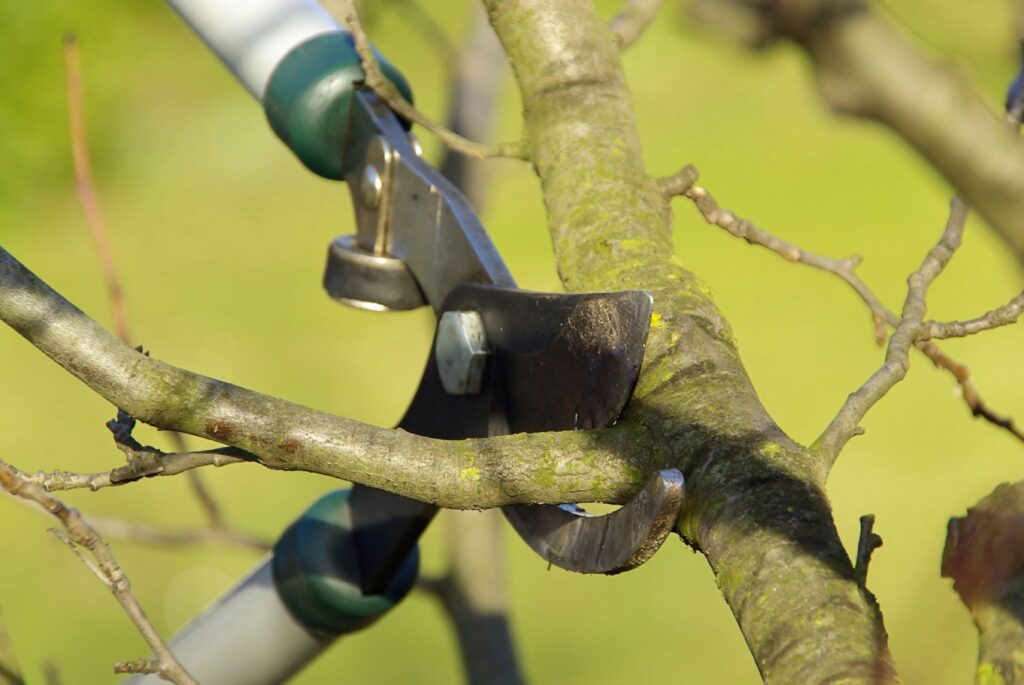
Pruning is an essential maintenance task for trees, particularly those with medium to large sizes. The thin-out pruning method involves removing excess branches to create a more slender and lighter shape, which has a positive impact on the tree’s health. This technique allows young wood to harden, promoting better fruiting in the following season.
Understanding Thin-out Pruning
Thin-out pruning is typically performed during the autumn months, focusing on internal branches that need to be thinned out or removed if they’re growing at an angle towards the center of the tree. A well-sharpened pruning tool – such as a electric hedge trimmer – is essential for making clean cuts.
When pruning thin-out, it’s vital to remove the branch closest to its connection with either another branch or the main stem. This ensures that the tree can heal quickly and minimize damage. Cleaning up any open wounds is also crucial, as water cannot collect and cause further damage. Proper pruning practices will help prevent disease and pests from taking hold.
Pruning Techniques: What You Need to Know
Once the tree has been pruned, it’s time to shape the remaining branches to achieve a uniform appearance. Practicing thin-out pruning on young shoots is highly recommended, as this promotes continuity of the branch and encourages future growth. This technique also helps to reduce water stress, making it easier for the tree to recover from any damage.
Thin-out pruning can be applied to larger trees, with specific considerations being taken into account. For example, if the tree is heavy laden with fruit or has a large canopy, thinning may need to be done more selectively to avoid causing damage to the tree’s structural integrity.
Pruning Ginkgoes and Evergreens
If performed correctly during this time frame, pruning will stimulate new growth even at the base of the trunk. This represents an efficient way to rejuvenate plants. Pruning ginkgoes in areas with very harsh winters is best done late February, when the tree has started to break its dormant period.
Pruning involves reducing all branches of a year by leaving only 4-6 buds (around 15 cm). Also, eliminate any weak or broken branches and the growth buds at the base of the plant. For example, you can leave one suitable branch tied to its desired shape.
For evergreens like fir, cypress, pines, and shrubs from hedges, pruning is a seasonal process that occurs in November-December. Pruning these plants during this time frame helps to maintain their health and appearance.
Pruning Large Trees
When it comes to pruning large trees, it’s essential to consider the tree’s overall structure and health before making any cuts. The goal of thin-out pruning on large trees is to create a more open canopy, allowing sunlight to penetrate deeper into the tree and promoting healthy growth.
To prune large trees effectively, it’s recommended to work from the outside in, removing branches that are growing inward or crossing over other branches. This approach helps to maintain the tree’s structural integrity while also improving its overall health.
Pruning Young Trees
Young trees require regular pruning to promote healthy growth and development. Thin-out pruning is an essential part of this process, as it allows young wood to harden and become more resistant to disease and pests.
When pruning young trees, it’s crucial to make clean cuts and avoid removing too much of the branch. This approach helps to prevent shock and stress in the tree, which can lead to disease or pest problems.
Turning Pruning Waste into Compost
Pruning waste can be transformed into compost using a biotriturator electric from the garden, allowing for convenient use without having to deal with combustible materials. Even branches of medium size can be processed and turned into fertilizer for gardens, lawns or plants themselves.
By transforming pruning waste into compost, you’ll reduce waste and avoid trips to the dump, while creating a rich fertilizer for your plants. This approach also helps to promote sustainability and environmental responsibility.
Best Practices:
- Prune thin-out during autumn months
- Focus on internal branches that are growing at an angle towards the center of the tree
- Remove branch closest to its connection with either another branch or main stem
- Clean up any open wounds
- Work from the outside in when pruning large trees
- Avoid removing too much of the branch when pruning young trees
Tips and Tricks
- Use a well-sharpened pruning tool to make clean cuts
- Remove any weak or broken branches, as these can be prone to disease or pest problems
- Consider hiring a professional arborist if you’re unsure about how to prune your tree
- Take regular breaks when pruning to avoid fatigue and stress
By following these steps and considering the specific needs of your trees, you can enjoy the benefits of thin-out pruning while keeping your plants healthy and thriving. Remember to stay patient, persistent, and proactive in your pruning efforts, as this will help ensure a strong and resilient tree for years to come.


