
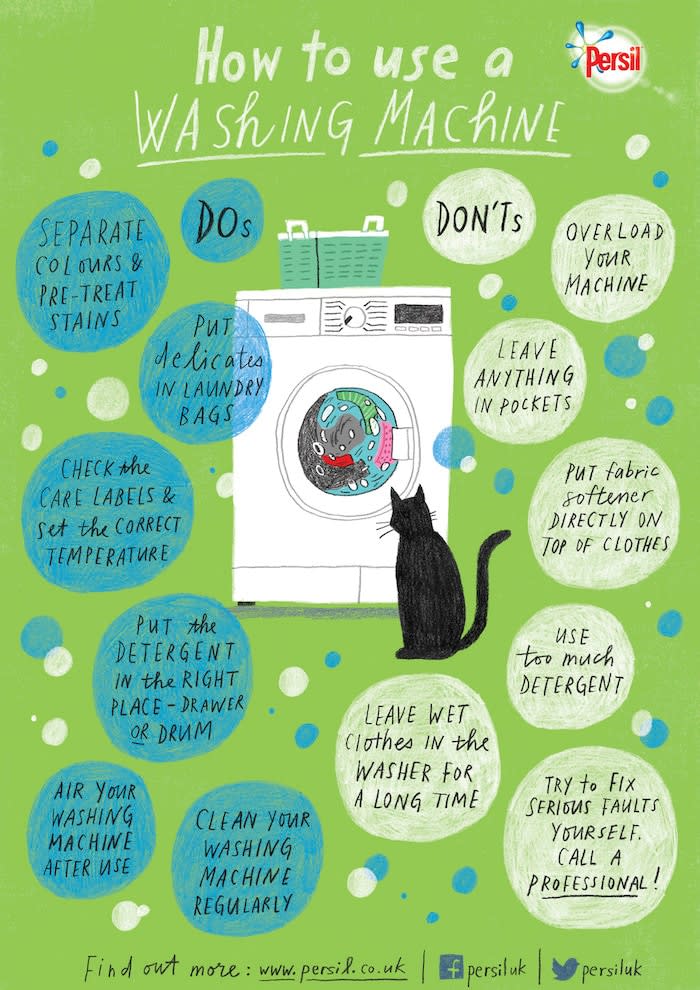
In recent years, the way we do laundry has undergone significant changes. With the increasing awareness of environmental issues and the need for energy efficiency, using a washing machine has become an essential part of our daily lives. However, with so many options available in the market, it can be overwhelming to choose the right washing machine that meets our needs.
In this article, we will delve into the evolution of washing machines, explore the key aspects of efficient and sustainable washing practices, and provide tips on how to get the most out of your washing machine while minimizing its environmental impact.
Understanding the Evolution of Washing Machines
The first mechanical washing machines were invented in the late 19th century. Thomas Bradford’s machine from 1860 was one of the earliest examples of a mechanical washer. However, it lacked electricity and was not very effective. It wasn’t until the early 20th century that Alva Fisher introduced the first electric washing machine prototype in 1906.
In the past few decades, washing machines have become more sophisticated, with advances in technology leading to more efficient and environmentally friendly designs. Today, there are many different types of washing machines available, each with its own set of features and benefits.
The Modern Washing Machine: A Shift towards Efficiency and Sustainability
Modern washing machines are designed to balance three key aspects:
- Cleaning clothes without damaging them
- Minimizing energy consumption
- Reducing environmental impact
To achieve this balance, consumers need to choose a washing machine that meets these requirements. Simple machines with fewer options can be less effective but also more environmentally friendly.
The Psychology of Washing Machines
Interestingly, research reveals that different countries have varying preferences when it comes to using their washing machines. For example, Italians tend to prefer using four different cycles: white, quick wash, 40°C, and delicate items. In contrast, other countries such as the UK, Germany, France, and the Netherlands favor using only two cycles – 40°C and quick wash.
The Importance of Machine Selection
Choosing the right washing machine is crucial in achieving efficient and sustainable washing practices. Here are some factors to consider when selecting a washing machine:
- Capacity: Consider the size of your family and how many clothes you need to wash at once.
- Cycle options: Choose a machine that offers multiple cycle options, including delicate and heavy-duty settings.
- Energy efficiency: Look for machines with high energy efficiency ratings to minimize your environmental impact.
- Noise level: If you plan to use the washing machine in a shared living space, consider one with a low noise level.
Sensors: The Key to Optimizing Washing Machines
Some modern washing machines come equipped with sensors that automatically adjust the amount of detergent, water, and energy needed for each load. This technology ensures that delicate items are washed gently while heavy-duty clothes receive the right amount of cleaning power.
The Cost of Neglecting Your Washing Machine
Not using your washing machine can result in significant costs, including:
- €120 per year for a family
- €10 per month for a single person
In addition to financial losses, neglecting your washing machine can also lead to environmental problems due to the excessive energy consumption and waste generated by traditional laundry methods.
The Environmental Impact of Washing Machines
While using less water and detergent are crucial factors in reducing waste, it’s equally important to consider the composition of these products. Hiper-concentrated detergents contain harsh chemicals that can harm the environment and human health.
In conclusion, understanding how to use a washing machine efficiently and sustainably requires selecting the right machine for your needs, using sensors to optimize energy consumption, and opting for eco-friendly laundry products.
Frequently Asked Questions
- What is the most effective cycle setting for washing clothes?
- It depends on the type of fabric being washed.
- How often should I clean my washing machine to maintain its efficiency?
- Regular cleaning can help prevent mold and mildew buildup.
- Can I make my own laundry detergent at home?
- Yes, using eco-friendly ingredients like baking soda and soap nuts is a viable option.
By following these tips and understanding the importance of efficient and sustainable washing practices, you can enjoy clean clothes while minimizing your environmental footprint.


