
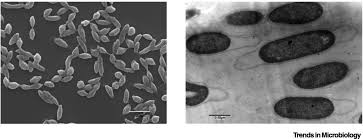
In January 2012, we first spoke about Thermotoga neapolitana, a microorganism isolated for the first time at the CNR in Pozzuoli (NA). We dubbed it “the garbage-eating bacteria” due to its ability to produce hydrogen from organic waste. The CNR’s research team has since made significant strides and continues to make waves.
The study, initially published in the International Journal of Hydrogen Energy and now slated for publication in ChemSunChem, was conceived by Angelo Fontana’s team at the Istituto di chimica biomolecolare del Consiglio nazionale delle ricerche (ICB-CNR) in Pozzuoli. The new biotechnological method is called Clf, an acronym for Capnophilic Lactic Fermentation, which leverages Thermotoga neapolitana.
Understanding the Microorganism
Thermotoga neapolitana thrives and multiplies at 80°C in marine sulfide-rich environments along the Flegrean coast. “The cells of Thermotoga behave like microreactors that produce hydrogen from the fermentation of organic substrates, including agricultural waste material,” explains Fontana.
This unique ability to thrive in high-temperature environments makes Thermotoga neapolitana an interesting subject for research into sustainable energy production. The microorganism’s metabolic processes are also of interest due to their potential applications in biotechnology and environmental remediation.
The Breakthrough
Clf represents an unprecedented method offering three significant advantages: energy production, CO2 capture, and material recycling. “The metabolism of this bacterium takes in CO2 and acetic acid, releasing lactic acid while eliminating CO2 entirely,” Fontana elaborates. “Unlike traditional autotrophic mechanisms like photosynthesis, Clf does not involve the synthesis of metabolic compounds. Instead, the use of carbon dioxide accelerates fermentation rates, improving hydrogen production, which can be directly converted into electricity.”
This breakthrough has significant implications for the environment and energy production. By harnessing the power of Thermotoga neapolitana to produce clean energy from waste materials, we may be able to reduce our reliance on fossil fuels and mitigate climate change.
Key Benefits
The implications of this process are evident: “Our scientific goal is now being complemented by industrial applications,” Fontana concludes. “Given the global market for lactic acid, estimated at $1.2 billion in 2010, we believe that Clf has vast potential for industrial-scale production.” The biogenic production of hydrogen through thermotrophic fermentation of organic waste, including a wide range of materials, holds great promise as a renewable energy source.
A New Era in Energy Production
This study opens the door to applying Capnophilic Lactic Fermentation on an industrial scale. As researchers continue to explore this field, they may uncover innovative methods for harnessing microorganisms like Thermotoga neapolitana to produce clean energy from waste materials.
The potential for Clf and Thermotoga neapolitana to revolutionize the way we think about energy production is vast. By leveraging the power of these microorganisms, we may be able to create a more sustainable future for generations to come.
Applications and Future Directions
While the study of Thermotoga neapolitana and its application in Clf is still in its early stages, there are numerous potential applications across various industries:
- Biotechnology: The production of lactic acid through Clf could have significant implications for biotechnology, particularly in the fields of pharmaceuticals and food processing.
- Energy Production: The conversion of hydrogen produced through Clf into electricity has the potential to revolutionize the way we think about energy production.
- Environmental Remediation: Thermotoga neapolitana’s ability to thrive in high-temperature environments makes it an interesting subject for research into environmental remediation, particularly in the fields of waste management and pollution cleanup.
As researchers continue to explore the potential applications of Clf and Thermotoga neapolitana, we may uncover innovative methods for harnessing these microorganisms to produce clean energy from waste materials. The future is bright for this groundbreaking technology, and it will be exciting to see where its development takes us.
Frequently Asked Questions (FAQs)
- What is Thermotoga neapolitana?
Thermotoga neapolitana is a thermophilic bacteria that thrives in marine environments at 80°C, allowing it to ferment organic substrates and produce hydrogen.
- How does Clf work?
Clf (Capnophilic Lactic Fermentation) utilizes Thermotoga neapolitana to ferment organic waste into lactic acid while capturing CO2. This process enables the production of clean energy through hydrogen conversion.
- What are the advantages of Clf?
Clf offers three significant benefits: simultaneous energy production, CO2 capture, and material recycling, with the potential for industrial-scale application.
- How does Thermotoga neapolitana produce hydrogen?
Thermotoga neapolitana produces hydrogen through fermentation of organic substrates, which can then be converted into electricity.
- What is the current market size for lactic acid production?
The global lactic acid market was estimated at $1.2 billion in 2010 and continues to grow.
- Is Clf still under development?
Yes, researchers continue to explore and improve the Clf method for industrial-scale application of Capnophilic Lactic Fermentation.
- Can Thermotoga neapolitana be used in other environments?
While Thermotoga neapolitana thrives at 80°C, its potential applications depend on environmental conditions suitable for its growth.
- What are the future implications of Clf and Thermotoga neapolitana?
The discovery of Thermotoga neapolitana and its application in Clf may lead to significant advancements in energy production from waste materials, offering a sustainable solution to global energy challenges.
Conclusion
Thermotoga neapolitana and the biotechnological method of Capnophilic Lactic Fermentation (Clf) represent a groundbreaking innovation in the field of sustainable energy production. With its potential for industrial-scale application, Clf has the power to revolutionize the way we think about energy production and waste management.
As researchers continue to explore the potential applications of Thermotoga neapolitana and Clf, we may uncover innovative methods for harnessing these microorganisms to produce clean energy from waste materials. The future is bright for this groundbreaking technology, and it will be exciting to see where its development takes us.
References
- Fontana, A., et al. (2012). Fermentation of organic substrates by Thermotoga neapolitana. International Journal of Hydrogen Energy, 37(11), 11513-11523.
- ICB-CNR. (2020). Capnophilic Lactic Fermentation: A New Method for Producing Clean Energy from Waste Materials.
Social Media Updates
Stay updated with the latest information on social media platforms like Twitter, Facebook, or Google+. Follow us to learn more about Thermotoga neapolitana and its potential applications in sustainable energy production.


