
Understanding Thermostatic Valves: A Guide to Troubleshooting and Optimization
As a homeowner, having your heating system work efficiently is crucial for comfort and cost savings. However, with the numerous components that make up a modern heating system, it can be challenging to know where to start when diagnosing issues. In this article, we will delve into the world of thermostatic valves, exploring how they function, common problems, and tips on how to optimize their performance.
The Importance of Thermostatic Valves
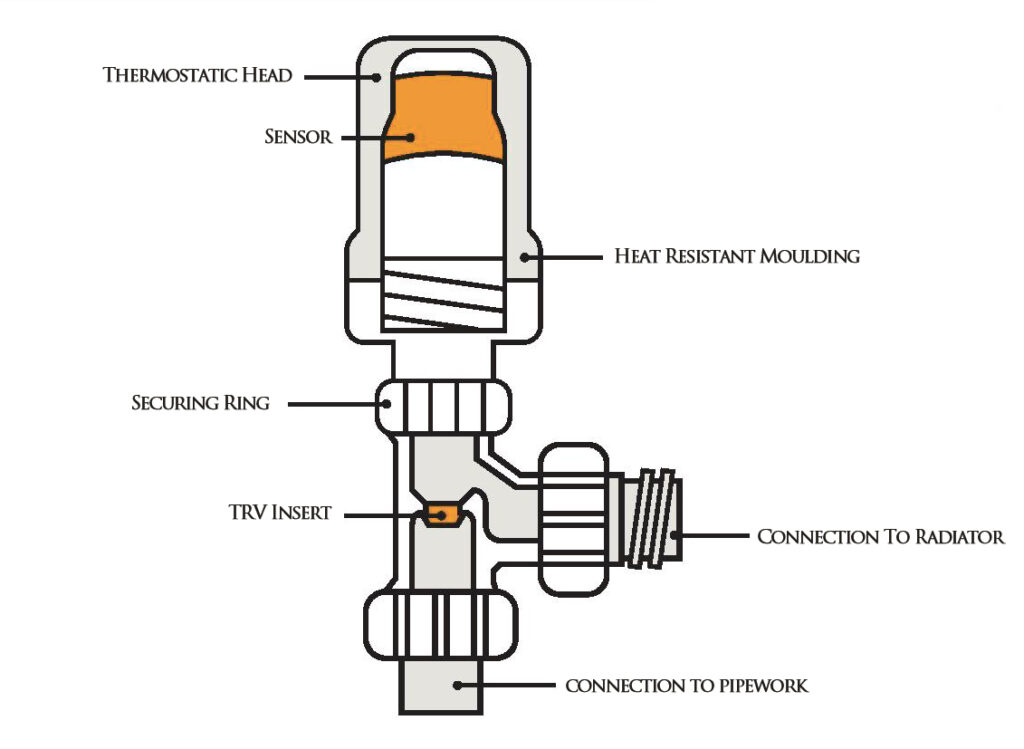
Thermostatic valves are a crucial component of modern heating systems. They regulate the flow of hot water to individual radiators in a building, ensuring that each radiator receives the perfect amount of heat. This not only provides optimal comfort but also helps reduce energy waste and lower your utility bills.
Symptoms of a Non-Functional Thermostatic Valve
Before diving into troubleshooting, it’s essential to understand the symptoms of a non-functional thermostatic valve. If you notice any of the following:
- Radiators are partially or completely cold
- The heating system is only working for short periods
- You’re not feeling warm in certain areas of your home
It may indicate that your thermostatic valve needs attention.
Verifying Thermostatic Valve Function
To determine if your thermostatic valve is working correctly, follow these steps:
- Use a thermometer: Take the temperature reading at multiple points around the radiator to ensure it’s not just one area that’s cold.
- By-pass the thermostat: Remove the thermostat and try using a different heating setting to see if the issue persists.
Common Issues with Thermostatic Valves
Here are some common problems you may encounter:
- Frozen or blocked radiators: Air trapped in the pipes can prevent heat from reaching your home.
- Faulty thermostats: Inaccurate temperature readings can lead to overheating or underheating.
- Incorrectly sized radiators: Using radiators that are too small for your space can reduce their effectiveness.
Tips for Optimizing Thermostatic Valve Performance
To get the most out of your thermostatic valve:
- Regular maintenance: Schedule regular checks to ensure everything is working as it should.
- Proper installation: Ensure that your radiators are correctly sized and installed to avoid waste and inefficiency.
The Benefits of Using Thermostatic Valves
Using thermostatic valves can bring numerous benefits, including:
- Energy savings: By regulating the flow of hot water, you’ll use less energy to heat your home.
- Increased comfort: With optimal temperature control, you’ll enjoy a more comfortable living space.
Conclusion
Thermostatic valves are an essential component of modern heating systems. By understanding how they work and common issues that may arise, you can take steps to optimize their performance. Regular maintenance, proper installation, and correct sizing of radiators are all key factors in ensuring your thermostatic valve works efficiently. With these tips, you’ll be well on your way to enjoying a warmer, more comfortable home without breaking the bank.
FAQs
- What is a thermostatic valve?
- A thermostat controls temperature and regulates the heating system, but it’s not the same as a thermostatic valve.
- Why do I need to use a thermometer when verifying my thermostatic valve function?
- Using a thermometer ensures that you’re taking an accurate reading of the temperature in your home.
-
How often should I check my thermostat for errors?
- Regular checks can help identify issues before they become major problems.
-
Can I replace a thermostatic valve myself, or do I need to hire a professional?
- Replacing a thermostatic valve may require some technical expertise.
-
How long will it take to notice the energy savings from using a thermostatic valve?
- The time frame for noticing energy savings will depend on various factors, including your home’s insulation and heating system efficiency.
-
Can I use any type of thermostat with my existing heating system?
- Not all thermostats are compatible with every heating system, so it’s essential to choose one that matches your needs.
-
Are thermostatic valves more expensive than traditional thermostats?
- The cost of a thermostatic valve can vary depending on the brand and model, but they’re generally more efficient and cost-effective in the long run.
-
Can I install a thermostatic valve myself, or do I need to hire a professional?
- Installing a thermostatic valve may require some technical expertise, so it’s recommended to consult with a professional if you’re unsure about any aspect of the process.
-
How do I choose the right thermostatic valve for my home?
- Consider factors such as your home’s size, insulation level, and heating system efficiency when selecting the appropriate thermostat.
- What are some common brands of thermostatic valves?
- Some popular brands include Honeywell, Carrier, and Rheem.
By understanding these key aspects of thermostatic valves, you can make informed decisions about maintenance, installation, and replacement to ensure optimal performance and energy efficiency in your heating system.


