
Introduction
As we all know, maintaining a comfortable temperature in our homes can be a challenge, especially during the harsh winter months. One effective solution to this problem is installing a thermostatic valve on your central heating system. In this article, we will guide you through the process of installing a thermostatic valve with step-by-step instructions and provide you with valuable information on how these valves work and their benefits.
Why Install a Thermostatic Valve?
Thermostatic valves are designed to regulate the temperature in your home by controlling the flow of hot water from your central heating system. By installing one, you can:
- Save energy and money on your utility bills
- Maintain a consistent temperature throughout your home
- Extend the lifespan of your boiler and other equipment
Thermostatic valves are an excellent way to reduce energy consumption and lower your greenhouse gas emissions. They work by sensing the temperature in your home and adjusting the flow of hot water accordingly, ensuring that your heating system operates at optimal levels.
The Risks of Not Installing a Thermostatic Valve
Failure to install a thermostatic valve can result in several consequences:
- Increased Energy Bills: Without a thermostat, your central heating system may continue to operate for longer periods than necessary, leading to increased energy consumption and higher utility bills.
- Reduced System Efficiency: A non-regulated heating system can lead to reduced efficiency, as the heat source is not optimized to meet the specific needs of your home. This can result in wasted energy and increased emissions.
- Boiler Damage: Inconsistent or prolonged use of a boiler without proper regulation can cause damage to the unit, leading to costly repairs or even replacement.
How Do Thermostatic Valves Work?
Thermostatic valves work by controlling the flow of hot water from your central heating system based on the temperature set on your thermostat. When the temperature drops below the set point, the valve opens, allowing hot water to flow into your radiators and warm up your home.
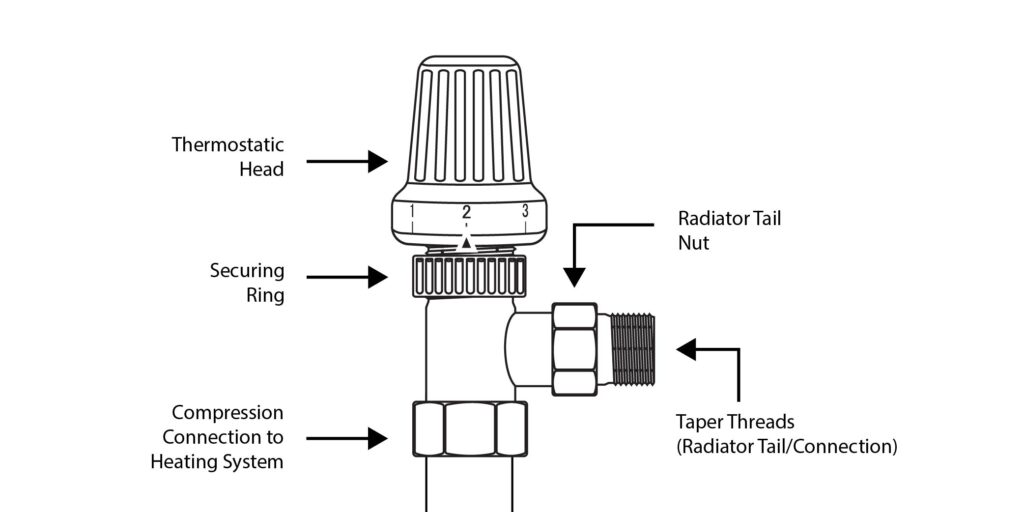
The thermostatic valve consists of a sensor that detects the temperature in your home, a control unit that processes this data, and an actuator that regulates the flow of hot water. This complex system ensures that your central heating system operates efficiently and effectively, providing a comfortable temperature in your home while minimizing energy waste.
Choosing the Right Thermostatic Valve
When selecting a thermostatic valve, ensure it is compatible with your central heating system and meets your specific needs. There are two types of thermostatic valves: direct-fit valves and square-set valves. Direct-fit valves have a built-in thermostat and can be installed directly onto your existing boiler or radiators. Square-set valves, on the other hand, require additional fittings to connect them to your central heating system.
When choosing a thermostatic valve, consider factors such as:
- Compatibility: Ensure that the valve is compatible with your central heating system and meets the required specifications.
- Accuracy: Choose a valve that provides accurate temperature readings to ensure optimal performance.
- Ease of Installation: Consider valves that are easy to install, reducing the risk of errors or damage during the installation process.
The Benefits of Thermostatic Valves
Thermostatic valves offer several benefits over traditional heating systems:
- Energy Efficiency: By regulating the flow of hot water, thermostatic valves can reduce energy consumption and lower utility bills.
- Comfort: These valves ensure that your home is heated to a consistent temperature, providing comfort and warmth during the colder months.
- Reliability: Thermostatic valves are designed to operate reliably, with built-in safety features that prevent overheating or other issues.
Real-Life Scenarios Where Thermostatic Valves Are Essential
Thermostatic valves are essential in various real-life scenarios where temperature regulation is critical:
- Older Homes: In older homes, thermostatic valves can help regulate the flow of hot water and prevent damage to boilers or radiators.
- Large Families: For families with multiple bedrooms, a thermostatic valve ensures that each room is heated to a comfortable temperature, reducing energy waste and increasing efficiency.
- Health-Related Issues: In homes where people suffer from health-related issues such as arthritis or respiratory problems, a thermostatic valve can help regulate the environment to prevent discomfort.
The Importance of Regular Maintenance
Regular maintenance of your thermostat is essential for optimal performance:
- Temperature Checks: Regularly check the temperature in different parts of your home to ensure that it’s within the desired range.
- Cleaning and Inspections: Clean and inspect the thermostat, pipes, and radiators regularly to prevent damage or corrosion.
- Warranty Coverage: Keep track of the warranty coverage for your thermostatic valve, as some manufacturers may require maintenance records to honor their warranties.
Conclusion
Installing a thermostatic valve is an effective solution to maintaining a comfortable temperature in your home while reducing energy consumption and lowering utility bills. By following this guide, you’ll be able to successfully install a thermostatic valve on your central heating system and enjoy the many benefits it has to offer.
Frequently Asked Questions (FAQs)
Q: Do I need to hire a professional for the installation process?
A: While it’s possible to install a thermostatic valve yourself, it’s recommended that you consult a professional if you’re not familiar with plumbing or HVAC systems. A professional can ensure that the valve is installed correctly and efficiently.
Q: Can I use any type of thermostatic valve?
A: No, ensure you choose a thermostatic valve compatible with your central heating system and meets your specific needs. Research different types of valves and consult manufacturers’ specifications to find the right fit for your home.
Q: How often do I need to replace my thermostat?
A: Thermostats typically last for around 10 years, depending on usage and quality. Regularly check the temperature settings to avoid over- or under-heating and extend the lifespan of your thermostat.
Q: Can a thermostatic valve be installed in an existing system without replacing the boiler or radiators?
A: Yes, thermostatic valves can often be installed in existing systems without replacement, but it’s essential to ensure compatibility and follow manufacturer instructions. Consult with a professional if you’re unsure about compatibility or installation requirements.
Q: Are thermostatic valves covered by warranty?
A: Thermostatic valves usually come with a warranty that covers defects in materials and workmanship. Consult the manufacturer’s documentation for specific details on warranty coverage, including duration and terms of the warranty.


