
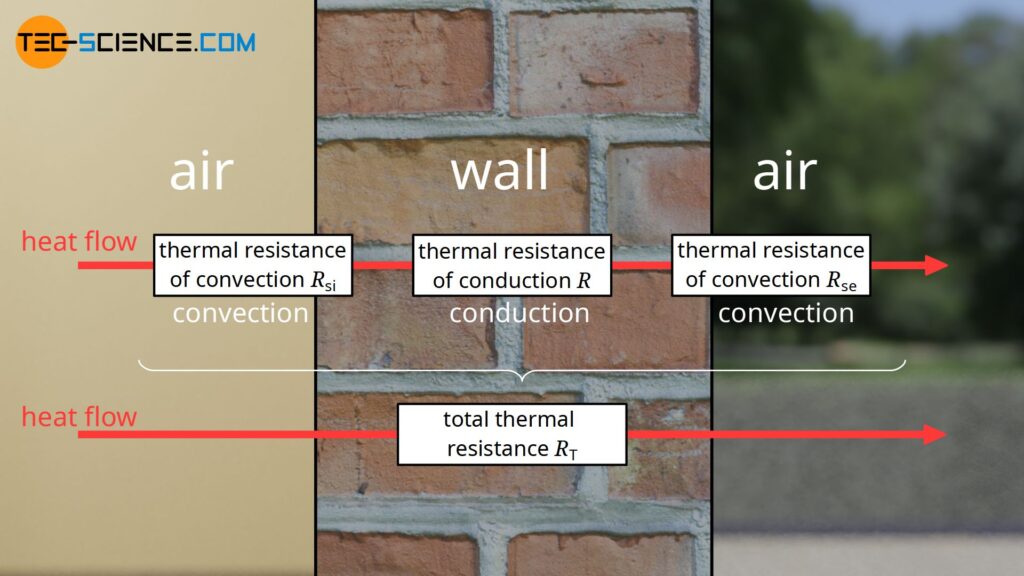
Thermal transmission, also known as heat transfer or conduction, is the process by which energy is transferred between objects or systems due to a temperature difference. This concept plays a crucial role in understanding the comfort and energy efficiency of buildings. In this article, we will delve into the world of thermal transmission, its importance, and how it can be optimized to reduce energy consumption.
The Importance of Thermal Transmission
Thermal transmission is essential in building design as it determines the amount of heat that enters or leaves a building through various pathways such as walls, windows, and doors. A high thermal transmission coefficient can lead to increased heating and cooling costs, while a low coefficient indicates improved insulation properties. Buildings with poor thermal transmission coefficients can suffer from discomfortable temperatures, reduced energy efficiency, and increased energy bills.
The Impact of Thermal Transmission on Building Performance
Thermal transmission has a significant impact on building performance in several ways:
- Energy Efficiency: A high thermal transmission coefficient can lead to increased heating and cooling costs as the building loses or gains heat through its walls.
- Comfort: Poor thermal insulation can result in uncomfortable temperatures, reducing occupant satisfaction and productivity.
- Environmental Impact: Buildings with poor thermal transmission coefficients contribute to higher energy consumption, greenhouse gas emissions, and climate change.
- Building Durability: Inadequate thermal insulation can lead to premature degradation of building materials, reducing their lifespan and requiring costly replacements.
Coefficients of Thermal Transmission
The coefficient of thermal transmission (U) is a key factor in determining the energy efficiency of a building. It represents the rate at which heat flows through a material or system. A lower U value indicates better thermal insulation properties. For example, a coefficient of 0.18 W/m²K means that for every degree Kelvin difference between two temperatures, 0.18 watts of heat will flow through a square meter of surface area per unit time.
Calculating Thermal Transmission
To calculate the thermal transmission coefficient, you can use the following formula:
U = λ / s
where U is the thermal transmission coefficient, λ (lambda) is the thermal conductivity of the material, and s is the thickness of the material. For instance, if a wall has a thermal conductivity of 0.04 W/mK and a thickness of 8 cm, the thermal transmission coefficient would be:
U = 0.04 W/mK / 0.08 m = 0.50 W/m²K
Relationship between Thermal Conductivity and Thermal Transmission
Thermal conductivity (λ) is directly related to thermal transmission. A higher thermal conductivity value indicates better heat transfer properties, while a lower value indicates improved insulation.
Practical Applications of Thermal Transmission
Understanding thermal transmission is crucial in building design and construction. By optimizing thermal transmission coefficients, builders can reduce energy consumption, improve comfort, and minimize the environmental impact of their structures.
- Insulation Materials: Selecting materials with low thermal conductivity values can significantly improve thermal transmission coefficients.
- Building Envelope Design: Careful design of the building envelope, including walls, windows, and doors, is essential in minimizing thermal transmission.
- Climate Control Systems: Implementing climate control systems that regulate indoor temperatures and humidity levels can reduce the need for heating and cooling.
Thermal Transmission in Different Building Envelopes
Thermal transmission coefficients vary significantly across different building envelopes:
- Walls: Wall materials with high thermal conductivity values, such as wood framing with insulation, can have moderate to low U-values.
- Windows: Double-glazed windows with low-E coatings and gas fill can reduce thermal transmission coefficients by up to 90%.
- Doors: Insulated doors with high-performance seals can minimize heat transfer through doorways.
Challenges in Optimizing Thermal Transmission
Optimizing thermal transmission is a complex task due to various factors that affect building performance:
- Material Selection: Choosing materials with optimal thermal conductivity values and thicknesses requires careful consideration of multiple factors.
- Building Design: Careful design of the building envelope, including walls, windows, and doors, is essential in minimizing thermal transmission.
- Climate Conditions: Local climate conditions, such as temperature and humidity levels, can significantly impact thermal transmission coefficients.
Conclusion
Thermal transmission plays a vital role in understanding the comfort and energy efficiency of buildings. By optimizing thermal transmission coefficients, builders can reduce energy consumption, improve comfort, and minimize the environmental impact of their structures. This article has provided an overview of thermal transmission, its importance, and practical applications in building design and construction.
FAQs
- What is thermal transmission?
Thermal transmission refers to the process by which energy is transferred between objects or systems due to a temperature difference. - Why is thermal transmission important in building design?
Thermal transmission determines the amount of heat that enters or leaves a building, affecting comfort and energy efficiency. - How is thermal transmission measured?
The coefficient of thermal transmission (U) measures the rate at which heat flows through a material or system. - What factors affect thermal transmission coefficients?
Thermal conductivity, thickness, and other material properties influence thermal transmission coefficients. - Can thermal transmission be optimized?
Yes, by selecting materials with low thermal conductivity values and optimizing building design, thermal transmission can be minimized. - How does thermal transmission relate to energy efficiency?
A high thermal transmission coefficient can lead to increased heating and cooling costs, while a low coefficient indicates improved insulation properties. - What are some common applications of thermal transmission in building construction?
Thermal transmission is crucial in designing walls, windows, and doors that minimize heat transfer and reduce energy consumption. - Can I calculate my own thermal transmission coefficients?
Yes, using the formula U = λ / s, where U is the thermal transmission coefficient, λ (lambda) is the thermal conductivity of the material, and s is the thickness of the material.
By understanding the concepts of thermal transmission and its importance in building design, you can make informed decisions to optimize energy efficiency and reduce your environmental footprint.


