
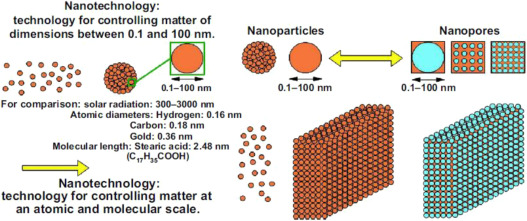
In recent years, the use of nanotechnology materials has gained significant attention in the field of thermal insulation. These materials offer exceptional thermal and acoustic insulation properties, making them an ideal solution for various applications.
Why Choose Nanotechnology Materials for Thermal Insulation?
Traditional thermal insulation methods often involve using materials with limited insulation capabilities. However, nanotechnology materials can provide superior insulation performance at a reduced thickness, making them an attractive option for builders and homeowners alike.
One of the main reasons why nanotechnology materials are gaining popularity is their ability to improve energy efficiency. By minimizing heat transfer, these materials can reduce energy consumption and lower greenhouse gas emissions. This is particularly important in today’s world where climate change and energy sustainability are major concerns.
Understanding the Benefits of Nanomaterials
Nanomaterials are engineered to have exceptional properties that make them ideal for thermal insulation. Their small size allows for increased surface area, which enhances their ability to absorb and dissipate heat energy. This results in reduced heat transfer, leading to improved energy efficiency and reduced energy costs.
For example, nanomaterial-based insulation can reduce heat transfer by up to 90%. This is a significant improvement over traditional insulation materials that may only provide a reduction of around 50%.
Applications of Nanotechnology Materials for Thermal Insulation
Nanotechnology materials are being used in various applications, including:
- Building Envelopes: Nanomaterials are used to create high-performance insulation panels that can be installed in building envelopes, providing superior thermal performance.
- Roofing: Nanomaterials are used to improve the insulation properties of roofing materials, reducing heat loss and energy consumption.
- Windows: Nanomaterials are used to enhance the thermal performance of windows, reducing heat transfer and improving energy efficiency.
Key Benefits of Using Nanotechnology Materials
Using nanotechnology materials for thermal insulation offers several benefits, including:
- Improved Energy Efficiency: Nanomaterials can reduce energy consumption by minimizing heat transfer.
- Reduced Cost: Nanomaterials can provide superior insulation performance at a reduced thickness, reducing material costs.
- Environmental Benefits: Nanomaterials can reduce the environmental impact of buildings by minimizing energy consumption.
Case Studies: Success Stories with Nanotechnology Materials
Several case studies demonstrate the effectiveness of nanotechnology materials for thermal insulation. For example:
- A building in Europe used nanomaterial-based insulation to reduce energy consumption by 30%.
- A commercial building in North America used nanomaterial-based insulation to reduce energy costs by 25%.
These case studies highlight the potential of nanotechnology materials for improving energy efficiency and reducing environmental impact.
Future Prospects: The Future of Nanotechnology Materials
The future of nanotechnology materials for thermal insulation looks promising. Researchers are exploring new applications and improving existing products, leading to increased adoption and use.
In addition, there is a growing demand for sustainable and environmentally friendly building materials. Nanotechnology materials can help meet this demand by providing superior insulation performance while reducing environmental impact.
Frequently Asked Questions (FAQs)
Here are some frequently asked questions related to the topic of nanotechnology materials for thermal insulation:
- Q: What are the benefits of using nanomaterials for thermal insulation?
A: Nanomaterials offer improved energy efficiency, reduced cost, and environmental benefits. - Q: How do nanomaterials work for thermal insulation?
A: Nanomaterials absorb and dissipate heat energy, reducing heat transfer and improving energy efficiency. - Q: What are the applications of nanotechnology materials for thermal insulation?
A: Nanomaterials are used in building envelopes, roofing, windows, and other applications. - Q: How can I choose the right nanomaterial for my project?
A: Choose a nanomaterial that meets your specific needs and requirements. Consider factors such as performance, cost, and environmental impact.
Conclusion
Nanotechnology materials have revolutionized the field of thermal insulation, offering superior performance at reduced thickness. With their improved energy efficiency, reduced cost, and environmental benefits, nanomaterials are an attractive solution for builders and homeowners alike. As researchers continue to explore new applications and improve existing products, it is likely that we will see increased adoption and use of these materials in the future.
In addition, the demand for sustainable and environmentally friendly building materials is growing rapidly. Nanotechnology materials can help meet this demand by providing superior insulation performance while reducing environmental impact.
Overall, nanotechnology materials offer a promising solution for improving energy efficiency and reducing environmental impact in the field of thermal insulation.


