
When it comes to building insulation, one of the most critical decisions you’ll make is choosing the right thermal insulation material for your roof, walls, and attic. With so many options available in the market, it can be overwhelming to decide which ones are best suited for your needs. In this article, we’ll explore the different types of thermal insulation materials, their characteristics, and what makes them suitable for specific applications.
Understanding Thermal Insulation Materials
Thermal insulation materials can be applied in various ways, including:
- In-taped: Applied directly to surfaces
- On horizontal surfaces
- On vertical surfaces
- On inclined surfaces
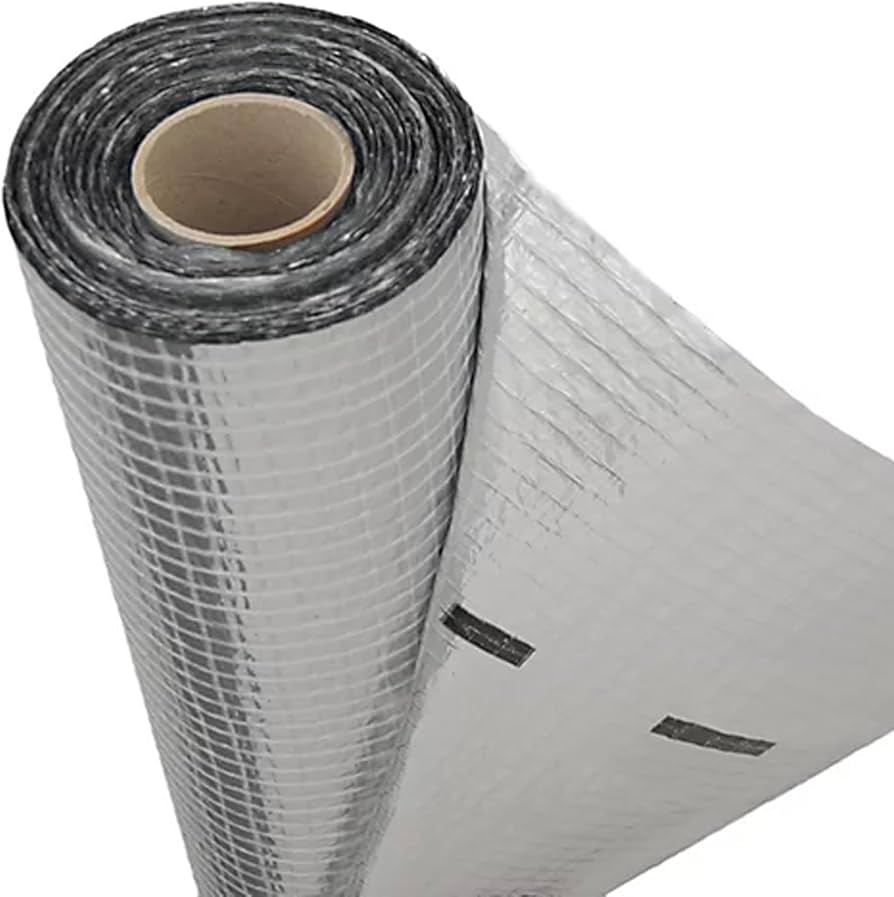
These materials come in different forms, such as single panels, rolls, multi-structures, or filling materials. Some products combine multiple materials to provide better thermal comfort.
Key Characteristics of Thermal Insulation Materials
The most important characteristic to look for in a thermal insulation material is its thermal conductivity, which measures the ability of the material to transfer heat from one side to another. The lower the thermal conductivity, the higher the energy efficiency of the material.
Types of Thermal Insulation Materials
Here are some of the best thermal insulation materials for roofs, walls, and attics, along with their thermal conductivity values:
- Aerogel: 0.005 – 0.015 W/mK
- Expanded Concrete: 0.040 W/mK
- Hemp Fiber: 0.035 – 0.043 W/mK
- Wood Fiber: 0.038 – 0.048 W/mK
- Rock Wool: 0.030 – 0.045 W/mK
- Glass Fiber: 0.030 – 0.048 W/mK
- Expanded Perlite: 0.043 – 0.052 W/mK
- Expanded Polystyrene (XPS): 0.030 – 0.040 W/mK
Choosing the Right Thermal Insulation Material
When choosing a thermal insulation material, consider factors such as:
- Thermal conductivity: Look for materials with lower thermal conductivity values for better energy efficiency.
- Durability: Choose materials that can withstand harsh weather conditions and last long enough to provide adequate insulation.
- Cost: Balance the cost of the material with its performance and durability.
FAQs
Q: What is thermal conductivity, and why is it important?
A: Thermal conductivity measures a material’s ability to transfer heat from one side to another. Lower thermal conductivity values indicate better energy efficiency.
Q: Can I use any type of insulation material for my roof, walls, and attics?
A: No, choose materials that are suitable for specific applications based on their characteristics and performance.
Q: How do I install thermal insulation materials?
A: Follow manufacturer guidelines and consider hiring a professional if you’re unsure about the installation process.
Q: Can I use natural insulation materials in my building?
A: Yes, natural insulation materials like hemp fiber, wood fiber, and rock wool can provide excellent thermal comfort while being environmentally friendly.
Q: What is the difference between synthetic and natural insulation materials?
A: Synthetic insulation materials are made from man-made materials, while natural insulation materials come from natural sources like plants and minerals.
Q: Can I use thermal insulation materials for both heat gain and loss?
A: Yes, but choose materials that can handle high temperatures or cold climates accordingly.
Q: How often should I inspect my roof, walls, and attics for signs of insulation damage?
A: Regularly inspect your building envelope to ensure the integrity of your thermal insulation material.
Thermal Insulation Materials for Specific Applications
- Roofs: Choose materials with high durability and resistance to weathering, such as expanded polystyrene (XPS) or rock wool.
- Walls: Consider materials with moderate thermal conductivity values, such as glass fiber or wood fiber, and choose from a variety of installation methods.
- Attics: Select materials that can provide adequate insulation while minimizing air leakage, such as expanded perlite or hemp fiber.
Best Practices for Installing Thermal Insulation Materials
- Follow manufacturer guidelines for installation and ensure the material is suitable for your specific application.
- Use high-quality fasteners and adhesives to secure the insulation material in place.
- Ensure adequate ventilation in attics to prevent moisture buildup and maintain thermal comfort.
Sustainability and Environmental Impact of Thermal Insulation Materials
When choosing thermal insulation materials, consider their environmental impact:
- Natural insulation materials: Hemp fiber, wood fiber, and rock wool are biodegradable and non-toxic.
- Synthetic insulation materials: Expanded polystyrene (XPS) is recyclable but can contribute to greenhouse gas emissions.
Common Misconceptions About Thermal Insulation Materials
- All thermal insulation materials are created equal: Different materials have unique characteristics that make them suitable for specific applications.
- Thermal insulation materials are only for energy efficiency: They also provide comfort, durability, and long-term savings on utility bills.
Conclusion
Choosing the right thermal insulation material for your roof, walls, and attic requires careful consideration of factors such as thermal conductivity, durability, cost, and environmental impact. By understanding the characteristics of different thermal insulation materials and following best practices for installation, you can create a building envelope that provides optimal thermal comfort while minimizing energy consumption.


