
As we look to the future, it’s clear that energy from renewable sources is becoming increasingly important for our daily lives. Unlike electricity, which powers our homes and devices, energy for heating and cooling is primarily used for comfort and convenience. In Italy, 45% of our final consumption is dedicated to thermal energy (heating and cooling) compared to 34% for transportation, doubling the typical electrical usage.
Predictions indicate that by 2030, there will be a significant increase in thermal energy from renewable sources, driving growth in materials, systems, and technologies like biomass, heat pumps, solar thermal, geothermal energy, and district heating. This growing trend is not only beneficial for the environment but also provides opportunities for sustainable development and economic growth.
The Evolution of Thermal Energy Production
According to data from 2011, the primary source of thermal energy is natural gas (63%), followed by petroleum products (gasoline, diesel, etc.) with 17%, solid fuels (coal) at 6%, and 6% of heat consumption due to cogeneration. Renewable thermal energy accounts for less than 7%, but is growing steadily.
A crucial aspect of thermal energy is that final consumption occurs through devices or installations producing heat at the user’s site, rather than through a network distribution like electricity. This has a positive impact on local industries (production, sales, and maintenance of technologies), which are often Italian and benefit from the domestic market.
The growth of renewable thermal energy has been significant over the past two decades. In 2011, the total heat production in Italy was 341 billion kWh, with thermal energy consumption accounting for 45% of the final energy consumption. This represents a decline in the share of natural gas and petroleum products in favor of biomass and other renewable sources.
Growth in Renewable Thermal Energy
Over the past 20 years, renewable thermal energy consumption has quintupled. The diffusion of these sources is primarily driven by consumer choices, families, and businesses, rather than large energy producers as in the electrical sector. This suggests that the selection of energy sources and technologies will increasingly come from the bottom up, depending on individual sensitivity.
The growth of renewable thermal energy is not limited to a single technology or source. Biomass (dry wood) has significant potential in Italy and is also a producer of stoves, boilers, and furnaces that are largely exported. A shift towards industrial and grid consumption may occur, but only if managed sustainably to avoid environmental harm.
Pompe di calore aerotermiche (air-air or air-water) and geotermiche (water-water with open or closed cycles) are expected to see a significant increase in growth by 2020 according to the national action plan. The Amici dell’Arte association, focusing on energy issues, predicts further expansion of these devices.
Solar thermal energy is also expected to develop, but with more cautious estimates from the Amici dell’Arte. In 2011, Italy had 140 kWt of installed solar thermal panels (corresponding to approximately 3 million square meters of solar panels), which are forecasted to reach 1250 kWt by 2020.
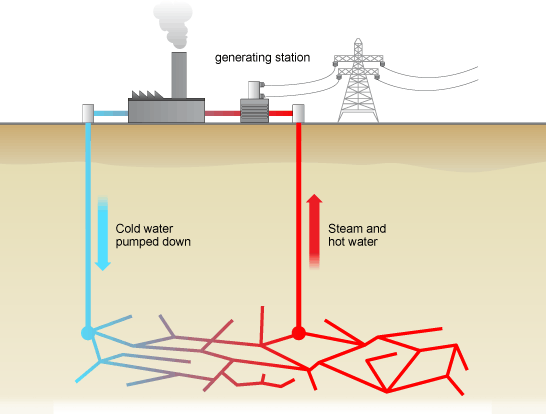
The direct use of geothermal energy is also an interesting area. This generally involves the exploitation of hot water for various purposes, including bathing, agriculture, aquaculture, industry, and district heating. According to the Italian Geothermal Association, there’s a high growth rate expected from now until 2030.
Renewable Thermal Energy Sources
Biomass (dry wood) is one of the most widely used renewable thermal energy sources in Italy. The production of stoves, boilers, and furnaces that run on biomass is largely export-oriented and provides significant economic benefits to local industries.
Heat pumps are another promising technology for renewable thermal energy production. These systems use refrigeration cycles to extract heat from the air or ground and transfer it to buildings, providing both heating and cooling. Heat pumps have a high potential for growth in Italy due to their energy efficiency and environmental benefits.
Geothermal energy is also an attractive option for renewable thermal energy production. The exploitation of hot water for various purposes can provide both heating and cooling, reducing the reliance on fossil fuels and lowering greenhouse gas emissions.
District Heating: A New Era
District heating is a system that involves the transmission of heat from a central plant to multiple buildings or neighborhoods through underground pipes or radiators. This technology has a high potential for growth in Italy due to its energy efficiency and environmental benefits.
The use of district heating can provide significant economic benefits to local industries, as it reduces the need for individual heating systems and lowers energy consumption. Additionally, district heating can help reduce greenhouse gas emissions by decreasing the reliance on fossil fuels.
Conclusion
As we look forward to a future powered by renewable energy sources, it’s clear that thermal energy is becoming increasingly important for our daily lives. From biomass to geothermal energy, solar thermal and heat pumps, the potential for sustainable development in this sector is vast.
The growth of renewable thermal energy has significant implications for local industries, the environment, and the economy. By promoting the use of renewable thermal energy sources, we can reduce greenhouse gas emissions, lower energy consumption, and create new economic opportunities.
Frequently Asked Questions (FAQs)
- What percentage of energy consumption is dedicated to thermal energy?
45% of final energy consumption in Italy is dedicated to thermal energy. - Which sources are expected to drive growth in renewable thermal energy?
Biomass, heat pumps, solar thermal, geothermal energy, and district heating are expected to drive growth in renewable thermal energy. - Why is the selection of thermal energy sources driven by consumer choices?
The selection of thermal energy sources is primarily driven by consumer choices, families, and businesses rather than large energy producers as in the electrical sector. - What role do industries play in the production of thermal energy?
Local industries (production, sales, and maintenance of technologies) benefit from the domestic market and contribute to the growth of renewable thermal energy sources. - How much has renewable thermal energy consumption quintupled over the past 20 years?
Renewable thermal energy consumption has quintupled over the past 20 years. - Which device is expected to see significant growth by 2020?
Pompe di calore aerotermiche (air-air or air-water) and geotermiche (water-water with open or closed cycles) are expected to see significant growth by 2020. - What percentage of installed solar thermal panels are forecasted to reach by 2020?
140 kWt in 2011 is forecasted to reach 1250 kWt by 2020 according to the Amici dell’Arte association. - Which areas can directly benefit from geothermal energy?
Various purposes, including bathing, agriculture, aquaculture, industry, and district heating, can directly benefit from geothermal energy.
By promoting the use of renewable thermal energy sources, we can create a more sustainable future for our daily lives. From biomass to geothermal energy, solar thermal and heat pumps, the potential for growth in this sector is vast, and it’s essential that we embrace this trend to reduce greenhouse gas emissions and lower energy consumption.


