
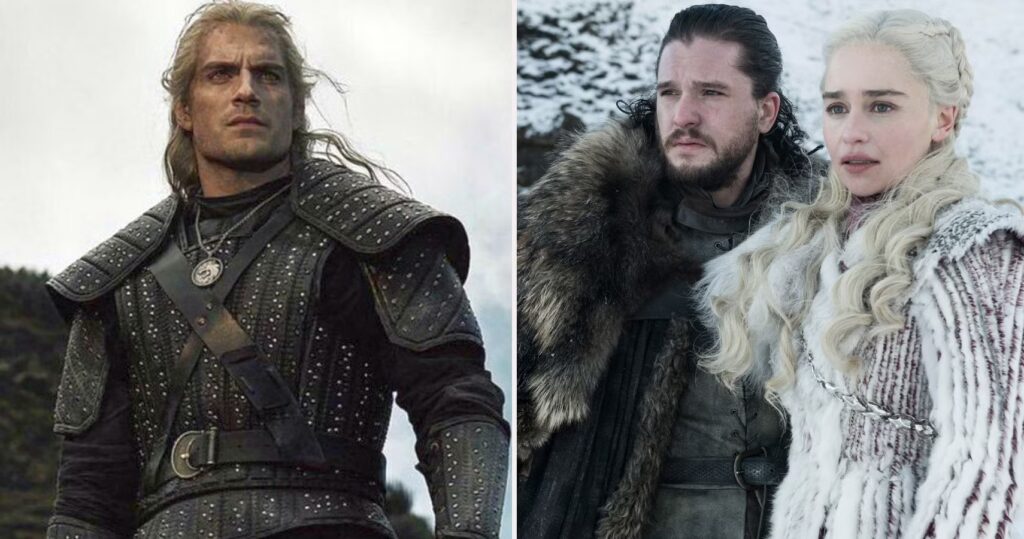
When it comes to immersive fantasy worlds filled with intricate plots, complex characters, and moral dilemmas, few titles match the allure of The Witcher and Game of Thrones. Both franchises have carved out major niches in pop culture through television adaptations, books, and video games, captivating audiences around the globe. However, each epic brings its unique flair, themes, and storytelling style to the table. In this article, we will compare The Witcher and Game of Thrones to help you decide which fantasy adventure resonates more with your heart and mind.
Understanding the Origins
Game of Thrones
Based on George R.R. Martin’s critically acclaimed A Song of Ice and Fire series, Game of Thrones debuted on HBO in 2011 and quickly became a cultural phenomenon. The show is set in the fictional continents of Westeros and Essos and follows the power struggles of noble families vying for control of the Iron Throne. Themes of betrayal, power, and morality run deep, with an ever-present sense of danger that elevates every character’s arc.
For fans of political intrigue, Game of Thrones offers a reality where loyalty is a fleeting concept. Characters often face dire consequences for decisions that reflect their loyalties, adding gravitas to every twist and turn.
The Witcher
In contrast, The Witcher is derived from Polish author Andrzej Sapkowski’s series of short stories and novels. Initially gaining popularity through video games produced by CD Projekt Red, the Netflix adaptation premiered in late 2019, drawing a different audience into its enchanting world. The story follows Geralt of Rivia, a monster hunter known as a Witcher, navigating a morally ambiguous world filled with magic, monsters, and politics.
While The Witcher does share themes of morality and conflict, it leans heavily into folklore, fantasy, and adventure. The choices Geralt makes often revolve around the “greater good,” adding layers to his character that include empathy and honor.
Narrative Style and Structure
Game of Thrones
One of the defining features of Game of Thrones is its intricate narrative and the large array of characters. The show employs a multi-perspective storytelling approach, often shifting focus between various houses and locations. This structure allows viewers to gain insights into multiple storylines, often leading to a sense of connection to an array of characters, including the morally compromised and the downright villainous.
The series is notorious for its shocking deaths—characters you may rapidly fall in love with can meet an untimely and brutal end, often reinforcing the fear that loyalty means little in a world ruled by treachery.
The Witcher
The Witcher, on the other hand, features episodic storytelling where plotlines are often lighter on the overarching narrative. This format allows for deeper exploration of subplots featuring both familiar and new characters. Each episode frequently presents a standalone story while also contributing to a wider arc about Geralt and his companions, including Yennefer and Ciri.
The humor and wit in The Witcher add an enticing layer to the fantasy experience. Although it has darker themes, the dialogue often punctuates poignant moments, giving viewers a chance to breathe amid intense drama.
Themes and Morality
Moral Complexity in Game of Thrones
In Game of Thrones, morality often exists in shades of gray. Characters grapple with difficult choices, weighing personal desires against the broader implications of their actions. Jon Snow, for instance, embodies the moral conflict of honor and betrayal, questioning loyalty to his family against duty to a greater cause.
The series explores complex themes such as the nature of power, the consequences of ambition, and the impact of legacy. Yet, it also paints a bleak picture of humanity, where betrayal feels almost as common as loyalty—illustrating the harsh realities inhabitants must navigate to survive.
Heroism in The Witcher
The Witcher poses similar philosophical questions but often approaches them through a lens of personal responsibility and choice. Geralt’s guiding principles revolve around the motto “Evil is evil… lesser, greater, middling. It’s all the same.” This encapsulates the moral ambiguity deeply woven into the series and reflects Geralt’s view that every choice comes with consequences.
While The Witcher incorporates dark themes, it emphasizes the need for empathy and compassion amid chaos. The various monsters Geralt faces frequently serve as allegories for human flaws, illustrating that not all foes are what they seem.
Visual Representation and World-Building
Cinematic Brilliance of Game of Thrones
One cannot discuss Game of Thrones without mentioning its groundbreaking production values. With vast landscapes, intricate set designs, and stunning battle scenes, HBO invested heavily to bring Westeros to life. The visual grandeur complements its intricate political drama, creating a stunning tapestry that pulls viewers further into its depths.
Additionally, there is a significant focus on character design—costumes that reflect each house’s heritage, direwolf sigils, and the Iron Throne itself are visually iconic, enhancing the narrative’s impact.
[amazon box=”B08XLLF3PG”]
Folkloric Aesthetics in The Witcher
The Witcher, while not as grandiose in scale as Game of Thrones, presents a rich cultural tapestry drawn from Slavic folklore. Its darker, medieval aesthetic combines elements of fantasy, horror, and adventure. From the lush forests of the Continent to the desolate landscapes populated by strange creatures, the visuals create an unsettling sense of authenticity.
Moreover, the artistry in character design and magical creatures, like the striga or the leshy, offers a unique interpretation of fantasy tropes. The show’s production team has built an immersive world that feels deeply grounded and alive, even when populated with mythical creatures.
Character Development and Arcs
The Multifaceted Characters of Game of Thrones
The expansive cast of Game of Thrones allows audiences to experience diverse character arcs and growth trajectories. Some characters are expertly crafted, shifting from sympathetic to despicable and vice versa. A classic example is Jaime Lannister; initially perceived as a ruthless and arrogant knight, his journey reveals complexities that challenge viewers’ judgments.
Game of Thrones also excels in crafting strong female characters, from the calculating Cersei to the fierce Daenerys Targaryen. Each woman in the series is defined by her ambition, and often, the battles they wage are as fierce (or fiercer) than those fought by their male counterparts.
Geralt’s Journey in The Witcher
In contrast, Geralt’s character arc in The Witcher revolves around his intrinsic struggle to maintain his humanity in a world filled with monstrosity. He often serves as a moral compass, battling not only external threats but also his inner conflicts about the kind of person he wishes to be.
Secondary characters, like Yennefer, showcase growth and complexity. Yennefer’s journey from an outcast to a powerful sorceress who grapples with love, loss, and ambition adds depth to the narrative. The relationship dynamics in The Witcher often delve into themes of loyalty, love, and the sacrifices one makes for those they care about.
Audience Engagement and Fan Communities
Game of Thrones’ Cultural Impact
The legacy of Game of Thrones reaches beyond just its storytelling. It has fostered a vast fan community that thrives on theories, discussions, and even merchandise. From fan art to dedicated fan forums, the engagement surrounding Game of Thrones is substantial. Spoiler discussions, predictions, and character analyses culminated in one of the most talked-about series finales in TV history.
The series has significantly influenced pop culture, inspiring numerous parodies, memes, and even themed events. Fans attended conventions and participated in cosplay, further bridging the gap between the narrative and the audience.
The Witcher’s Rise in Popularity
With the advent of The Witcher series, a different kind of fandom has emerged. The Netflix show has reignited interest in the books and video games, driving discussions around the character arcs and lore. The community is deeply passionate, often citing the balance between humor and darkness as elements that set The Witcher apart.
The series has also generated discussions about its fidelity to the source material, as well as interpretations of characters like Geralt. Fans often engage through social media, sharing theories, art, and insights about the enchanted world Sapkowski created.
Conclusion: Choosing Your Fantasy Epic
Ultimately, deciding between The Witcher and Game of Thrones boils down to personal preference. If you crave political intrigue, moral complexity, and a world where alliances shift like sand, Game of Thrones may be your destination. Its dramatic storytelling, coupled with its diverse characters and epic production, leaves a lasting impression.
However, if you prefer a more personal journey rooted in folklore, empathy, and moral quests punctuated by humor, The Witcher could be the epic that captures your heart. With rich storytelling, an engaging lead character, and a world filled with monstrous and magical elements, it offers a different kind of escapism.
Regardless of your choice, both series stand as giants in the realm of fantasy entertainment, each offering unforgettable adventures that challenge the way we perceive heroes, villains, and everything in between. As fans, we are fortunate to have such diverse worlds to explore—allowing us to ponder our values and choices in the journey of life. So, whether you wield a sword like Geralt or seek the Iron Throne like Daenerys, grab some popcorn, settle in, and prepare for a journey into the extraordinary.


