
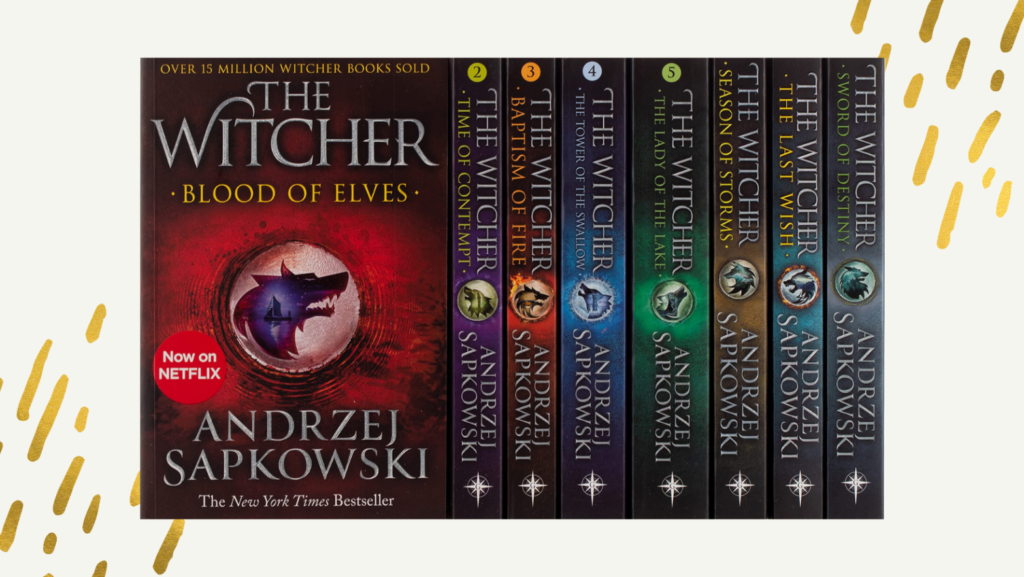
The “Witcher” franchise has captivated audiences around the globe, transcending from the pages of Andrzej Sapkowski’s novels to the popular Netflix series. With a richly woven narrative that combines fantasy, horror, and adventure, Sapkowski’s work set the stage for an expansive universe filled with engaging characters, intricate plots, and moral complexities. However, as many fans of the series have noted, the adaptation does take creative liberties. In this article, we will explore the differences and similarities between Sapkowski’s literary world and its visual interpretation on Netflix, helping fans appreciate both mediums for their unique contributions to “The Witcher” lore.
The Origins of The Witcher: Sapkowski’s Literary Legacy
To understand the full depth of “The Witcher,” it’s essential to delve into its literary roots. The series began with a collection of short stories titled “The Last Wish” and “Sword of Destiny,” published in the early 1990s. These collections introduced the character of Geralt of Rivia, a monster hunter, known as a Witcher, who navigates a dangerous world filled with mythical creatures, political intrigue, and ethical dilemmas.
Sapkowski draws heavily on Slavic mythology and folklore, creating a unique mythos that feels both familiar and fresh. Readers are introduced to not just Geralt, but a vivid supporting cast, including Yennefer, a powerful sorceress, and Ciri, a young girl with a mysterious destiny. The interplay of characters in Sapkowski’s novels adds layers to the story, allowing multiple themes to emerge, such as the complexity of human nature, the struggle between fate and free will, and the moral ambiguities faced in a cruel world.
The Netflix Series: A Visual Interpretation
When Netflix unveiled its adaptation of “The Witcher” in December 2019, anticipation was at an all-time high. Starring Henry Cavill as Geralt, the series presented a darker, grittier tone than many fans expected. The casting of Cavill was particularly well-received, as his passion for the source material fueled excitement.
The series begins with Geralt in a world filled with war and distortion, introducing viewers to its varied landscapes—mysterious forests, bustling towns, and foreboding castles. However, while the visuals brought Sapkowski’s universe to life, some fans lamented the significant changes made to the original narrative and character arcs.
Narrative Structure: Short Stories vs. Serialized Episode Format
One of the most notable distinctions between the novels and the series is the narrative structure. Sapkowski’s work is primarily composed of short stories and interconnected tales that build Geralt’s character in a more episodic and self-contained manner. In contrast, the Netflix series opts for a more traditional serialized format, connecting various storylines and characters over multiple episodes.
This transition results in a more extensive exploration of certain themes, but it also leads to changes in character development and story focus. For example, the character of Yennefer is given a complete backstory in the series, revealing her struggles and aspirations, which differs from Sapkowski’s nuanced yet subtle introduction of her character.
Character Portrayals: The Essence of the Witchers
Geralt of Rivia remains the lynchpin of both the novels and the series. However, different creative choices shape his character. In the books, Geralt is often more introspective, hidden behind layers of moral contemplation and philosophical musings. Meanwhile, Cavill’s portrayal adds a physicality and action-oriented flair to the character that is more prominent in the series’ fast-paced episodes.
Another significant adaptation is Yennefer’s development. While Sapkowski depicts her as a fierce and ambitious sorceress, the series expands her arc, deepening her backstory of struggle and transformation, which offers viewers insight into her motivations and relationships. This nuanced exploration is a fresh take that some audiences may appreciate, while purists may find it strays from the original narrative.
Additionally, Ciri is introduced in both mediums as a pivotal character linked to Geralt’s fate. The series emphasizes her journey more strongly, presenting her as an independent character with her desires and struggles. This enhancement provides viewers with a more significant emotional connection to her narrative.
Themes and Morality: Gray Areas in the Witcher’s World
One of the most compelling aspects of Sapkowski’s novels is the exploration of complex themes and moral ambiguity. The author masterfully sets the stage for ethical questions that challenge conventional perspectives. For instance, the Laws of Surprise—a prominent plot device—highlights the unpredictable twists of fate that befall Geralt and those around him.
The Netflix series does capture some of this moral complexity but often favors more straightforward storytelling. While the intricate layers of moral dilemmas remain in the adaptation, the fast-paced nature of episodic storytelling can dilute the philosophy embedded in the novels. Subscribers may find that the Netflix show takes a more action-oriented approach, occasionally sacrificing the moral intricacies that Sapkowski so expertly crafted.
[amazon box=”B08XLLF3PG”]
Visual Effects and World-Building: A Cinematic Experience
One of the strengths of the Netflix adaptation lies in its stunning visual effects and world-building. The use of CGI brings to life magnificent monsters, enchanted realms, and the ethereal experience of sorcery. The creators successfully immerse viewers in a fantastical atmosphere that conveys the essence of Sapkowski’s universe.
However, while the visual elements are breathtaking, they cannot replicate the depth and nuance of Sapkowski’s prose. The descriptive language in the novels invites readers into the subtleties of this universe, encouraging them to craft their interpretations of the fantastical elements. The richness of Sapkowski’s writing can sometimes be overshadowed by the glitz and action of the series.
Soundtrack and Cinematic Choice
The score and sound design of “The Witcher” also deserve recognition. Composed by Sonya Belousova and Giona Ostinelli, the music enhances the storytelling experience, imbuing scenes with emotion and intensity. This cinematic aspect elevates the series, drawing viewers further into the narrative.
While music plays a crucial role in capturing the tone of the novels, the deeper emotional resonance often lies within Sapkowski’s dialogue and character interactions. The series may grab viewers with its auditory impact, but the novels challenge readers to engage with Geralt’s world on a contemplative level.
Reception: Fans and Critics Weigh In
Since its release, “The Witcher” on Netflix has garnered a mixed reception, split between loyal fans of the books and new viewers discovering the franchise through the series. Critics have praised Cavill’s performance as Geralt and the series’ production quality, yet some loyalist readers have voiced concerns about the adaptation’s faithfulness to the source material.
Sapkowski’s writing invites readers to delve into the nuances of morality and relationships, leading some fans to feel that the Netflix series’s pace and character development detract from the richness of the original story. The creative differences have ignited passionate discussions within fandoms, emphasizing the challenges of adapting literature into expansive television productions.
Bridging the Gap: Finding Joy in Both Mediums
Despite the differences, it is possible to appreciate what both Sapkowski’s novels and the Netflix series bring to the table. These two mediums serve different purposes—one offering a sensory cinematic experience with rapid pacing and the other a reflective journey through intricate tales and themes.
For fans of “The Witcher,” the journey doesn’t have to be an either/or proposition. The series can serve as a gateway for newcomers to explore Sapkowski’s world, encouraging them to dive into the novels and appreciate the depth that lies within. For seasoned fans, embracing the differences can provide a new dimension to the stories they hold dear.
Conclusion: A Tale of Adaptation
As we navigate the worlds of “The Witcher,” both in written form and on screen, it’s essential to recognize the strengths of each medium. The complexities of Andrzej Sapkowski’s novels paint an intricate tapestry of character, ethics, and story arcs that may not always translate directly to a series format. However, the Netflix adaptation offers a vibrant entry point into this universe, teasing new audiences with action, adventure, and stunning visuals.
Ultimately, “The Witcher” remains a tale of how stories evolve and adapt across different platforms. Whether through Sapkowski’s pen or Netflix’s lens, the essence of “The Witcher” continues to be a magnetic force, drawing in and captivating audiences for generations to come. Whether you enjoy the books, the series, or both, one thing is clear: the story of Geralt, Yennefer, and Ciri will continue to thrive as it leaps across pages and screens, inviting new fans into its enchanting realms.
By engaging with both the novels and the show, fans can form a deeper understanding of this rich saga—celebrating its heritage while exploring fresh interpretations. As we await more chapters of “The Witcher,” whether in book form or screen, we hold a treasure trove of storytelling, ready to be shared and experienced anew.


