
Introduction
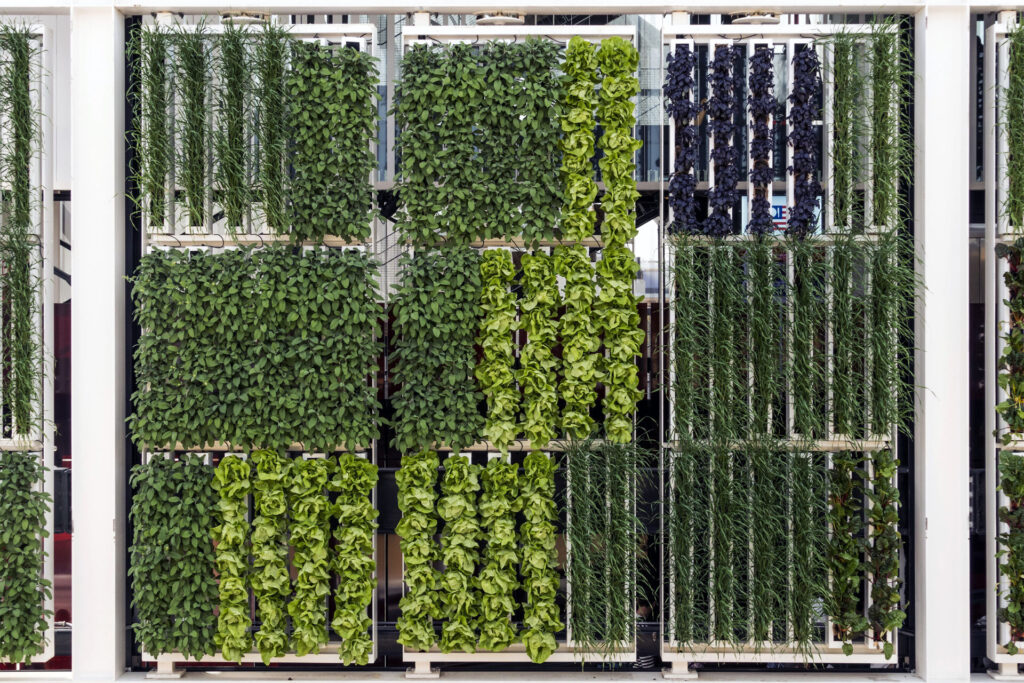
As the Milan Expo 2015 comes to a close after 184 days, visitors have one last opportunity to experience the innovative features of the US Pavilion. One of these highlights is the massive vertical garden, where guests can pick fresh produce from the “green wall” that covers the entire structure. The US Pavilion was designed by the James Beard Foundation and the International Culinary Center, two prominent organizations in the culinary world. The unique design features a range of eco-friendly elements, including a rainwater harvesting system and solar panels integrated into the roof. But what sets this pavilion apart is its vertical garden, which serves as both a teaching tool and a showcase for American agriculture.
Background
The US Pavilion was designed to promote sustainable agriculture and highlight American food systems. The pavilion’s design is inspired by traditional farmhouses and incorporates modern technologies to create an efficient and environmentally friendly building. The James Beard Foundation and the International Culinary Center worked together to develop a concept that would showcase American agriculture in a unique and engaging way.
The Vertical Garden
Imagine a “green wall” that’s not just aesthetically pleasing but also functional. This is exactly what the US Pavilion offers. The entire facade of the building is covered in an organic system of hydroponics, where plants are grown using nutrient-rich water rather than soil. The innovative design allows for maximum sunlight penetration and efficient irrigation, making it possible to harvest fresh produce throughout the day.
The vertical garden is a remarkable example of urban agriculture in action. By growing crops on the outside of the building, the pavilion creates a unique opportunity for visitors to learn about sustainable farming practices while enjoying fresh produce. The “green wall” also serves as a natural air purifier, removing pollutants and toxins from the air while releasing oxygen.
Water Conservation
One of the most impressive features of this vertical garden is its ability to conserve water. By collecting and recycling rainwater, the system minimizes waste and reduces the pavilion’s carbon footprint. This approach not only highlights the importance of sustainability but also demonstrates the potential for urban agriculture to thrive in challenging environments.
The pavilion’s water harvesting system uses a combination of gutters and downspouts to collect rainwater from the roof. The collected water is then filtered and reused for irrigation, reducing the need for potable water. This approach not only conserves this precious resource but also reduces stormwater runoff, which can cause pollution in urban areas.
Agricultural Innovation
The US Pavilion aims to showcase American agricultural practices that are gaining popularity worldwide. By highlighting unique crops and innovative farming methods, the vertical garden serves as an educational tool for visitors. The pavilion’s design is meant to inspire a new generation of farmers and consumers who value sustainability and quality.
Some of the crops grown in the vertical garden include leafy greens, herbs, and fruit trees. These plants are carefully selected to provide a diverse range of flavors and textures, while also demonstrating the versatility of urban agriculture. The pavilion’s designers worked with local farmers to select crops that would thrive in the unique conditions of the Expo 2015 site.
Architectural Design
Inside the pavilion, guests will find an open layout inspired by traditional farmhouses. The interior features large windows, exposed ductwork, and reclaimed wood accents that create a warm and inviting atmosphere. The building’s energy-efficient design incorporates super-thin solar panels and transparent photovoltaic glass, ensuring maximum natural light while minimizing environmental impact.
The pavilion’s design is influenced by the principles of biophilic design, which emphasizes the connection between humans and nature. By incorporating natural elements such as wood and stone, the pavilion creates a sense of calm and serenity, while also highlighting the importance of sustainability in building design.
Sustainable Materials
The pavilion’s construction involves the use of recycled materials whenever possible. The steel frame is designed to be recyclable, while the wooden floor is made from reclaimed wood sourced from East Coast buildings. This commitment to sustainability sets a high standard for Expo 2015 participants and demonstrates the importance of eco-friendly practices in building design.
Conclusion
The US Pavilion at Expo 2015 presents a remarkable example of sustainable agriculture and innovative design. By incorporating cutting-edge technology, organic farming methods, and recycled materials, this vertical garden showcases American ingenuity while promoting environmental stewardship. As we look to the future of urban agriculture, this pavilion serves as an inspiration for cities worldwide.
Frequently Asked Questions
- What is the purpose of the vertical garden at the US Pavilion?
The vertical garden is designed to showcase American agricultural practices and promote sustainability in urban environments. - How does the rainwater harvesting system work?
The system collects and recycles rainwater, which is then used for irrigation, reducing water waste and conserving this precious resource. - What types of crops are grown in the vertical garden?
The pavilion features a range of American-grown crops, including fruits, vegetables, and herbs, demonstrating the diversity and potential of urban agriculture. - How does the solar panel system contribute to the pavilion’s energy efficiency?
Super-thin solar panels integrated into the roof provide maximum natural light while generating electricity, reducing the building’s carbon footprint. - What materials were used in the construction of the pavilion?
Reclaimed wood, steel frames, and recycled materials are used throughout the pavilion to minimize waste and promote sustainability. - Can visitors harvest produce from the vertical garden during Expo 2015?
Yes, visitors can pick fresh produce from the “green wall” throughout the event. - What is the significance of using hydroponics in urban agriculture?
Hydroponics allows for maximum sunlight penetration and efficient irrigation, making it an ideal system for urban environments where space is limited. -
How does the pavilion’s design influence its sustainability?
The open layout, natural light, and use of recycled materials create a warm and inviting atmosphere while minimizing environmental impact. -
What role does the vertical garden play in promoting sustainable agriculture?
The vertical garden serves as an educational tool for visitors, showcasing American agricultural practices that value sustainability and quality. -
Can the US Pavilion’s design be replicated in other urban environments?
While the pavilion’s unique features are tailored to its specific location, its commitment to sustainability and eco-friendly design makes it a model for urban agriculture worldwide. -
How does the pavilion’s use of reclaimed wood contribute to its sustainability?
The use of reclaimed wood reduces waste, conserves natural resources, and promotes sustainable forestry practices. - Can visitors experience the vertical garden at the US Pavilion during after-hours events or exhibitions?
Visitors can explore the pavilion’s interior, including the green wall, during designated hours.
Additional Resources
- For more information on sustainable agriculture, visit the James Beard Foundation website at www.jamesbeard.org.
- Learn about urban agriculture initiatives in your city by visiting the Urban Agriculture Alliance website at www.urbanag.org.
Future of Urban Agriculture
The US Pavilion’s vertical garden serves as a model for sustainable agriculture worldwide. By incorporating cutting-edge technology, organic farming methods, and recycled materials, this pavilion demonstrates the potential for urban agriculture to thrive in challenging environments.
As we look to the future of urban agriculture, it is clear that the US Pavilion’s innovative design will serve as an inspiration for cities worldwide. By promoting sustainability and eco-friendly practices, this pavilion sets a high standard for building design and serves as a reminder of the importance of environmental stewardship.


