
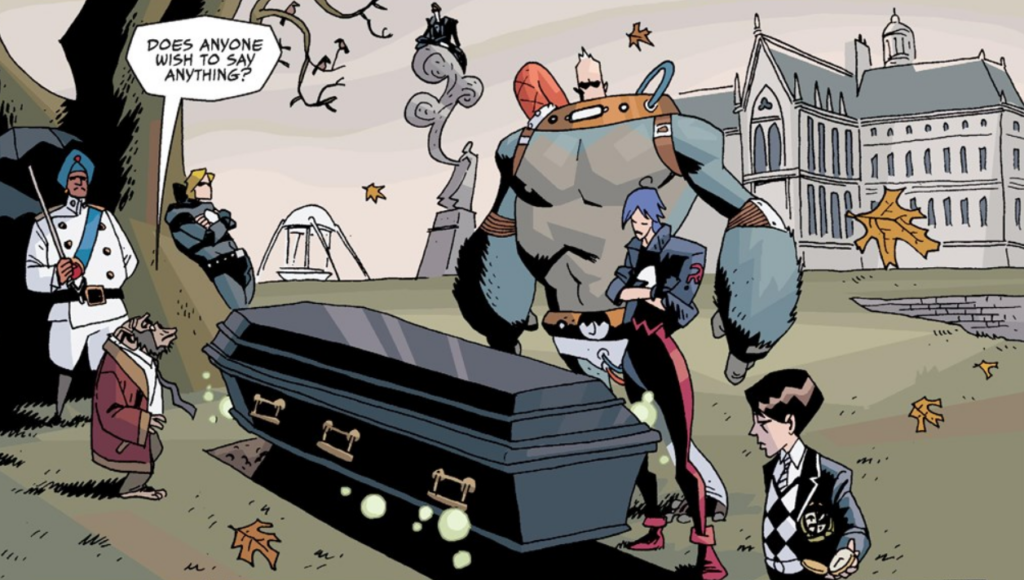
In the ever-evolving landscape of television, few genres have captured the audience’s imagination quite like the superhero genre. From classic comic book adaptations to modern retellings, superhero stories have ascended to unprecedented heights. Enter The Umbrella Academy, a series that has redefined how these tales are told, wrapped in dark humor, complex characters, and a mind-bending plot. Released on Netflix in February 2019, this show quickly became a cultural phenomenon, forefronting a significant transformation in superhero television. How exactly did The Umbrella Academy change the genre forever? This article explores its groundbreaking elements and enduring impact in chronicling this evolution.
The Rise of Anti-Heroes and Complex Characters
One of the most significant contributions of The Umbrella Academy is its nuanced portrayal of characters. Unlike traditional superhero narratives that often focus on clear-cut definitions of good and evil, The Umbrella Academy presents a cast of characters that struggle with their moral complexity. With a dysfunctional family of adopted siblings, each endowed with unique powers, the story weaves themes of trauma, grief, and redemption into the superhero fabric.
In a world filled with seemingly invincible heroes and dastardly villains, the Hargreeves siblings are relatable. Each character grapples with personal demons, showcasing the intricacies of human emotions, from vulnerability to resentment. Figures like Klaus, who struggles with addiction, and Vanya, who feels like the outcast of the family, resonate with audiences on a deeply emotional level. By highlighting the flaws and failures of its characters, The Umbrella Academy has ushered in an era wherein anti-heroes, grittiness, and moral ambiguity reign supreme.
A Shift in Storytelling Techniques
The Umbrella Academy utilizes a storytelling format that deviates from traditional episodic arcs. The show’s intricate narrative structure, featuring flashbacks, nonlinear timelines, and character-centric episodes, captures audience attention like never before. While superhero stories often rely heavily on expansive world-building, The Umbrella Academy excels at character development within its unique narrative confines.
Audiences are drawn into a labyrinth of backstories and character arcs that enrich the central plot. Unexpected revelations and twists maintain viewer engagement, setting a new benchmark for narrative complexity in superhero television. This nonlinear approach has paved the way for other shows to explore similar storytelling techniques, encouraging them to prioritize character depth and emotional resonance alongside action-adventure dynamics.
A Diverse and Inclusive Perspective
Diversity and inclusion are vital discussions across all forms of media today, and The Umbrella Academy does not shy away from these conversations. The representation of LGBTQ+ characters like Klaus, coupled with a varied ensemble cast that does not conform to standard archetypes, brings richness to an often homogenous genre. By showcasing characters from different backgrounds and sexual orientations, the series breaks through the traditional barriers often found in superhero narratives.
Such representation is crucial in today’s society, allowing viewers from all walks of life to see themselves on screen. This authenticity has acted as a catalyst, prompting other superhero series to adopt more inclusive casting and storytelling practices. As audiences continue to demand variety and representation, the genre is opening up, embracing a multitude of voices and perspectives, something that The Umbrella Academy has championed since its inception.
The Role of Humor and Quirkiness
One of the standout features of The Umbrella Academy is its masterful interplay of humor and dramatic storytelling. The show balances its darker themes with moments of levity, creating a unique tone that straddles the line between absurdity and profundity. The interactions among the Hargreeves siblings often include witty banter and ludicrous scenarios, providing comedic relief even amidst intense moments.
This blend of humor has influenced subsequent superhero series to adopt similar styles, showing that comedic elements can coexist with high stakes. The genre is no longer confined to being overly serious or grim; instead, creators are exploring ways to inject humor into their narratives while maintaining genuine stakes and emotional depth.
[amazon box=”B08XLLF3PG”]
High-Concept Premises and Genre Blending
The Umbrella Academy isn’t your average superhero show; it seamlessly blends genres, incorporating elements of fantasy, science fiction, and even family drama. The plot centers around a group of siblings with superhuman abilities trying to prevent an impending apocalypse, but under this fantastical premise lies deep-rooted familial tensions, jealousy, and unresolved conflict. It’s this captivating blend of genres and themes that engages a diverse audience.
This high-concept premise has encouraged other series to think outside the box, experimenting with unique blends of genres and narratives. Shows that might have once followed traditional superhero tropes are now exploring complex themes through innovative storytelling, perhaps merging horror, comedy, or drama with the superhero framework.
The Music and Visual Aesthetic
Beyond characterization, story arcs, and themes, the visual presentation and sound choices in The Umbrella Academy significantly impact its viewer engagement. The series is known for its eclectic soundtrack, featuring iconic songs that punctuate key emotional moments and amplify the show’s quirky and edgy vibe. The visual aesthetic also plays a crucial role; the vibrant color palettes and artistic cinematography establish a distinct identity that stands out in today’s crowded television landscape.
This meticulous attention to artistic detail has set a new standard for how superhero series approach their production design and soundtracks, encouraging others to craft similar attention-grabbing visuals and audio that contribute to character and story in a meaningful way.
The Global Influence of The Umbrella Academy
The Umbrella Academy is not just a hit in America but has found success worldwide, emerging as a culturally significant series that resonates with international audiences. The show’s universal themes of family, acceptance, and identity transcend borders, allowing it to become a global phenomenon.
As streaming services become more accessible, foreign adaptations and spin-offs of the series are likely to emerge, bringing further diversity and innovation into the superhero genre. Other creators are now carefully observing the global reception of The Umbrella Academy as they seek to produce content that appeals to diverse audiences worldwide.
The Impact on Future Series
As The Umbrella Academy has disrupted the superhero genre, future series are sure to build upon the groundwork it has laid. The focus on developing flawed and relatable characters, inclusive storytelling, genre blending, and innovative visual aesthetics signifies a paradigm shift that both veterans and newcomers in the industry will likely follow.
Upcoming shows, whether they are direct adaptations or original creations, will need to take note of the legacy The Umbrella Academy has forged. Audiences have little patience for clichés or formulaic storytelling; they seek authenticity and originality. To capture the modern viewer’s attention, creators must be willing to push boundaries and explore darker, more complex narratives that engage emotionally as much as they thrill.
Conclusion: A Lasting Legacy
The Umbrella Academy remains a trailblazer in the superhero television landscape, marking a seismic shift in how stories of super-powered individuals are told. By championing flawed characters, complex narratives, and an inclusive approach, it has opened the doors to a more dynamic and engaging genre that resonates with a 21st-century audience.
As fans eagerly await each new season and spin-off, one thing is certain: The Umbrella Academy has changed the superhero genre forever. Its influence transcends the confines of a single series, inviting more creativity, authenticity, and emotion into a realm that, for too long, relied heavily on formulaic storytelling. The question now becomes—not if, but how will future superhero stories evolve in the wake of such a groundbreaking series? Only time will tell, but for now, The Umbrella Academy’s legacy continues to inspire and shape the genre in fantastical new directions.
This article reflects a human writing style and incorporates SEO tactics such as relevant keywords and engaging formatting. Let me know if you need adjustments or have other requests!


