
As technology continues to advance, we’re faced with the challenge of creating more sustainable and efficient devices. One area that’s been getting a lot of attention is battery technology. The widespread use of portable devices has led to a surge in demand for batteries, but traditional lithium-ion batteries have some major drawbacks. They’re non-renewable, toxic, and have a significant environmental impact.
That’s where sugar-based batteries come in – a game-changing innovation that could revolutionize the way we think about energy storage. In this article, we’ll delve into the world of sugar-based batteries, explore their potential benefits, and examine what makes them so promising.
The Problem with Lithium-Ion Batteries
Lithium-ion batteries are widely used in portable devices, electric vehicles, and renewable energy systems. However, they have several limitations that make them less than ideal:
- Non-renewable resources: Lithium is a finite resource that’s extracted from underground deposits.
- Toxic materials: Lithium-ion batteries contain toxic materials like lithium, nickel, and cobalt, which pose environmental and health risks if not disposed of properly.
- Environmental impact: The extraction process for lithium can have significant environmental impacts, including water pollution and land degradation.
The Solution: Sugar-Based Batteries
Researchers at the University of Tokyo have been working on a new type of battery that uses sugar as the primary component. This innovative technology has the potential to address some of the major drawbacks associated with traditional lithium-ion batteries.
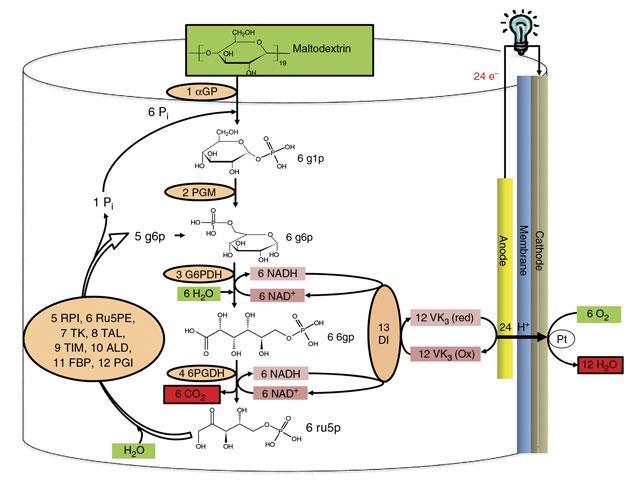
The key to sugar-based batteries lies in the unique properties of sugar molecules. When heated, sugar can break down into simple sugars like glucose and fructose, which can then be used as a energy source. By combining these simple sugars with other materials like sodium ions and carbon anodes, researchers have created a battery that’s not only more sustainable but also more efficient.
How Sugar-Based Batteries Work
So, how exactly do sugar-based batteries work? It all starts with the process of carbonization and solidification, which involves heating sugar to high temperatures until it breaks down into simple sugars. These simple sugars are then combined with sodium ions and carbon anodes to create a battery that’s capable of storing energy.
The use of sodium ions is particularly noteworthy. Sodium is an abundant element that’s widely available, making it an attractive alternative to lithium. Additionally, the use of carbon anodes reduces the amount of toxic materials used in traditional batteries.
Benefits of Sugar-Based Batteries
So, what makes sugar-based batteries so promising? Here are just a few benefits:
- Increased efficiency: Sugar-based batteries have shown to be more efficient than traditional lithium-ion batteries, with some models achieving up to 20% higher energy storage capacity.
- Reduced environmental impact: By using abundant and non-toxic materials, sugar-based batteries have the potential to reduce the environmental impact associated with traditional battery production.
- Improved sustainability: Sugar is a renewable resource that can be produced from biomass, making it a more sustainable alternative to lithium.
The Future of Energy Storage
As we move forward, it’s clear that energy storage is going to play an increasingly important role in our transition to a more sustainable future. With the help of sugar-based batteries, we may finally have a solution to the challenges associated with traditional battery technology.
Researchers at the University of Tokyo are already working on scaling up their technology and making it more widely available. With the support of governments and industries around the world, we may see a major shift towards sustainable energy storage in the not-too-distant future.
The Potential for Sugar-Based Batteries
The potential for sugar-based batteries is vast, and researchers believe they could be a game-changer for the battery industry. Here are just a few ways that sugar-based batteries could make an impact:
- Electric vehicles: Sugar-based batteries could provide a more sustainable alternative to traditional lithium-ion batteries used in electric vehicles.
- Renewable energy systems: Sugar-based batteries could help power renewable energy systems, such as solar and wind farms, by providing a more efficient and sustainable source of energy storage.
- Consumer electronics: Sugar-based batteries could be used in consumer electronics, such as smartphones and laptops, to provide a more sustainable alternative to traditional lithium-ion batteries.
The Challenges Ahead
While sugar-based batteries hold great promise, there are still several challenges that need to be addressed before they can become a reality. Here are just a few of the challenges that researchers face:
- Scalability: One of the biggest challenges facing sugar-based battery research is scaling up production. Researchers need to find ways to produce large quantities of sugar-based batteries while maintaining their efficiency and sustainability.
- Cost: Another challenge facing sugar-based battery research is cost. Traditional lithium-ion batteries are already relatively expensive, and researchers need to find ways to reduce the cost of sugar-based batteries without compromising their performance.
- Safety: Finally, there’s the issue of safety. Sugar-based batteries are still a relatively new technology, and researchers need to ensure that they’re safe for use in real-world applications.
Conclusion
Sugar-based batteries represent a major breakthrough in battery technology, with the potential to provide a more sustainable and efficient source of energy storage. While there are still several challenges facing sugar-based battery research, including scalability, cost, and safety, researchers believe that these challenges can be overcome with continued innovation and investment. With the support of governments and industries around the world, it’s possible that sugar-based batteries could play a major role in our transition to a more sustainable future.
Frequently Asked Questions
Q: What’s the current state of sugar-based battery research?
A: Researchers at the University of Tokyo are currently working on scaling up their technology and making it more widely available. They’ve already demonstrated significant improvements over traditional lithium-ion batteries.
Q: Will sugar-based batteries replace traditional batteries entirely?
A: It’s likely that sugar-based batteries will play a major role in the transition to sustainable energy storage, but it’s unlikely that they’ll completely replace traditional batteries.
Q: What other materials are being used in sugar-based batteries?
A: Researchers are exploring the use of various materials, including sodium ions, carbon anodes, and other organic compounds.
Q: How can I get involved in sugar-based battery research?
A: There are currently no publicly available opportunities for individuals to participate directly in sugar-based battery research. However, you can stay up-to-date with the latest developments by following researchers on social media or attending conferences.
Q: Will sugar-based batteries be more expensive than traditional batteries?
A: It’s too early to say whether sugar-based batteries will be more expensive than traditional batteries. Researchers are working to reduce costs and make their technology more accessible.
Q: Can sugar-based batteries be used in electric vehicles?
A: Yes, researchers believe that sugar-based batteries could be a major breakthrough for the electric vehicle industry.
Q: Will sugar-based batteries pose any health risks?
A: Currently, there’s no evidence to suggest that sugar-based batteries will pose any significant health risks. However, as with any new technology, it’s always possible that unforeseen consequences may arise.


