
The Cleanest Countries in the World: A Guide to Sustainable Living
In today’s fast-paced world, pollution has become a pressing global issue that requires immediate attention and action. While some nations are struggling with poor air quality and waste management, there are countries that have made significant strides in maintaining exceptionally clean environments.
Through a combination of effective policies, green technologies, and unwavering commitment to environmental improvement, countries like Iceland, Finland, New Zealand, and Sweden have achieved an enviable level of low pollution.
Country Profiles
Islanda: Harnessing Renewable Energy
Iceland is renowned for its remarkable reliance on renewable energy sources, primarily geothermal and hydroelectric power. This unique approach has enabled the country to nearly entirely abandon fossil fuels, resulting in exceptionally low atmospheric pollution.
1.2 Unspoiled Nature
The breathtaking landscapes of Iceland are characterized by unblemished natural beauty, with glaciers, waterfalls, and volcanic terrain creating a stunning visual feast. The island’s pristine environment is a testament to its commitment to preserving the natural world.
1.3 Small but Mighty Example
Despite being one of the smallest countries in the world, Iceland serves as a powerful example of how small nations can make a significant impact on environmental sustainability through effective policies and technological innovations.
Finlandia: A Leader in Environmental Stewardship
The Finnish landscape is a haven for nature lovers, with vast expanses of open spaces, lush forests, and numerous lakes providing an unparalleled quality of air. This idyllic setting has enabled Finland to establish itself as one of the cleanest countries in the world.
2.2 Environmental Policy and Education
Finland’s commitment to environmental protection is evident in its comprehensive policy framework, which emphasizes education and awareness-raising initiatives aimed at promoting eco-friendly practices among citizens. By instilling a sense of responsibility for the natural environment, Finland has created a culture that values sustainability.
2.3 Effective Waste Management
The Finnish approach to waste management is based on principles of prevention, reduction, recycling, and reuse. By implementing these strategies, Finland has significantly reduced its environmental impact, contributing to its status as one of the cleanest countries globally.
Nuova Zelanda: A Leader in Sustainable Living
New Zealand’s commitment to protecting its natural environment is reflected in its strict regulations and laws governing pollution, waste management, and conservation efforts. By setting high standards for environmental sustainability, New Zealand has created a culture that prioritizes the well-being of both people and the planet.
3.2 Renewable Energy and Sustainable Practices
New Zealand’s focus on renewable energy sources, such as geothermal, hydroelectric, and wind power, has enabled the country to reduce its reliance on fossil fuels. Additionally, initiatives promoting sustainable practices, like reducing plastic waste and increasing recycling rates, have further enhanced New Zealand’s environmental credentials.
3.3 Respect for Natural Resources
New Zealand’s dedication to preserving its unique natural heritage is evident in its conservation efforts, which protect not only its biodiversity but also its cultural significance. By respecting the country’s rich natural resources, New Zealand has created a sense of community that values the long-term sustainability of the environment.
Svezia: A Model for Sustainable Development
Sweden is renowned for its commitment to environmental protection, with a comprehensive policy framework that prioritizes sustainable development and reducing greenhouse gas emissions. By investing in renewable energy sources and implementing waste reduction strategies, Sweden has established itself as one of the cleanest countries globally.
4.2 Carbon Neutrality by 2040
Sweden’s ambitious goal of achieving carbon neutrality by 2040 is a testament to its commitment to environmental sustainability. This target serves as a model for other nations seeking to reduce their ecological footprint and transition towards cleaner, more sustainable energy sources.
4.3 Cultural Shift Towards Sustainability
Sweden’s focus on cultural shifts towards sustainability is evident in its efforts to promote eco-friendly practices among citizens. By instilling a sense of responsibility for the environment, Sweden has created a culture that values long-term sustainability over short-term gains.
The Cleanest Countries in the World: A Classifying Index by Numbeo
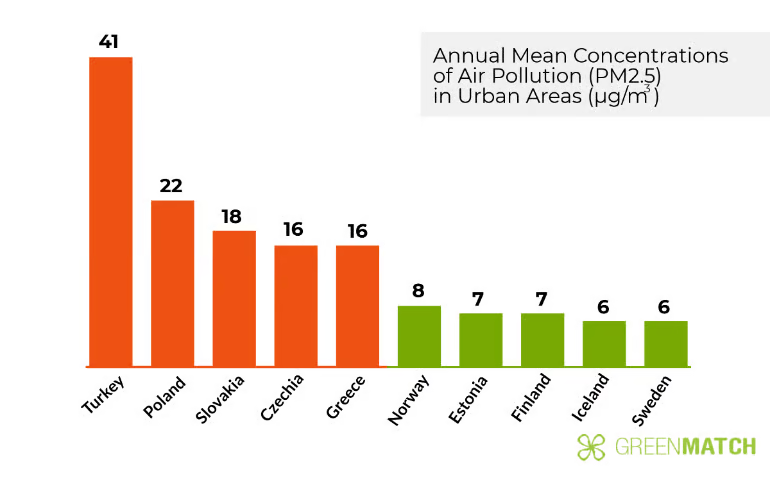
Numbeo’s Pollution Index provides an accurate measurement of pollution levels across the globe. Using this index, we can identify the top 10 countries with the lowest levels of environmental degradation and the bottom 10 countries with the highest levels.
The Top 10 Cleanest Countries:
- Finlandia: 11.8
- Islanda: 15.7
- Estonia: 17.1
- Svezia: 17.9
- Norvegia: 18.0
The Bottom 10 Most Polluted Countries:
- Mongolia: 92.4
- Myanmar: 89.8
- Libano: 89.4
- Ghana: 88.4
- Nigeria: 88.2
Conclusion
The world is at a crossroads, facing an unprecedented environmental crisis that demands immediate attention and collective action. The success of countries like Iceland, Finland, New Zealand, and Sweden serves as a beacon of hope for a sustainable future, showcasing the potential of effective policies, technological innovations, and cultural shifts towards reducing our ecological footprint.
As individuals, we can play a significant role in making a difference by adopting eco-friendly practices, supporting organizations that prioritize environmental sustainability, and advocating for policy changes that promote green technologies. The time to act is now – together, we can create a world that is more sustainable, equitable, and just for all generations to come.
Frequently Asked Questions (FAQs)
-
What are the main factors contributing to pollution in countries?
Pollution is often caused by human activities such as industrial production, transportation, agriculture, and waste management practices. -
How can I contribute to reducing my carbon footprint?
There are many ways to reduce your carbon footprint, including using renewable energy sources, carpooling or public transportation, reducing meat consumption, and recycling waste. -
What role do governments play in addressing environmental degradation?
Governments can play a crucial role in addressing environmental degradation through the implementation of policies and regulations that prioritize sustainable development and reduce pollution. -
How can I support organizations working towards environmental sustainability?
You can support organizations by donating to reputable causes, volunteering your time, spreading awareness about environmental issues, and advocating for policy changes that promote green technologies. -
What is the most effective way to reduce waste and increase recycling rates?
Effective waste reduction strategies often involve a combination of measures such as reducing single-use plastics, implementing deposit refund schemes for glass bottles and cans, and increasing recycling infrastructure. -
How can I balance economic growth with environmental sustainability?
Balancing economic growth with environmental sustainability requires careful planning, investment in green technologies, and adoption of sustainable practices that minimize ecological footprint while promoting human well-being. -
What are some successful examples of community-led initiatives addressing environmental degradation?
Successful community-led initiatives often involve grassroots movements that prioritize environmental protection, conservation efforts, and education about sustainable living practices. -
How can individuals make a difference in reducing pollution at the local level?
Individuals can make a significant impact by participating in local clean-up initiatives, advocating for waste reduction strategies, supporting organizations working towards sustainability, and promoting eco-friendly practices within their communities.
Additional Resources
- World Health Organization (WHO): Clean Air
- United Nations Environment Programme (UNEP): Clean Energy
- Greenpeace: Renewable Energy
- The Nature Conservancy: Conservation Efforts
References
- Sustainable Development Goals: “SDG 13: Climate Action”
- National Geographic: “Cleanest Countries in the World”
- Numbeo Pollution Index: “Global Air Quality Index”
- World Bank: “Renewable Energy for a Sustainable Future”
By understanding the challenges and opportunities presented by environmental degradation, we can work together to create a more sustainable future for all.


