
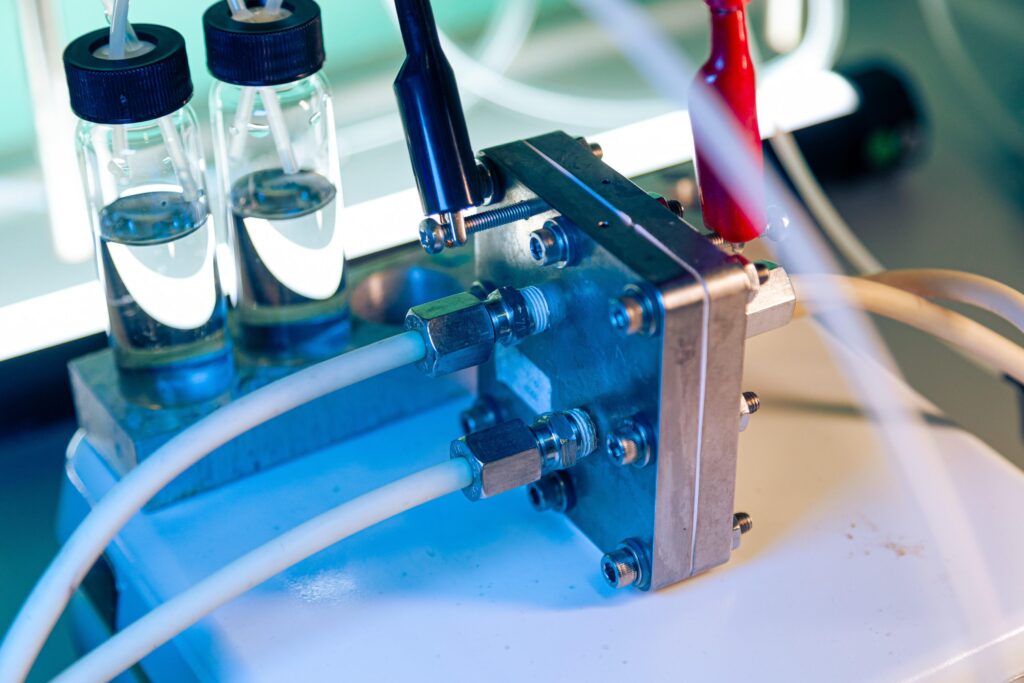
As we strive to mitigate climate change, a clean and efficient source of energy is crucial. One such solution lies in producing hydrogen through innovative methods. The Italian research team at Iccom-CNR has made significant strides in this field, offering a 60% reduction in energy consumption compared to traditional water electrolysis.
The Challenges of Hydrogen Production
Hydrogen production poses several challenges, including storage and transportation issues. Furthermore, the high cost of producing hydrogen through traditional methods limits its widespread adoption. Italian researchers have been working tirelessly to address these concerns.
One of the primary challenges facing hydrogen production is the high energy consumption required for electrolysis. Traditional water electrolysis is an energy-intensive process that requires a significant amount of electricity to split water molecules into hydrogen and oxygen. This results in greenhouse gas emissions, which contribute to climate change. Additionally, the infrastructure for storing and transporting hydrogen is still in its infancy, making it difficult to implement this clean energy source on a large scale.
Another challenge facing hydrogen production is the limited accessibility of traditional electrolysis methods. These methods are often expensive and require significant resources, making them inaccessible to many countries. The Italian research team has been working to address these challenges by developing innovative solutions for hydrogen production that are more efficient, cost-effective, and environmentally friendly.
A New Approach to Hydrogen Production
The Italian research team, led by Francesco Vizza, has developed a novel technology that enables efficient and clean hydrogen production. This breakthrough is achieved through the use of nanostructured electrodes and alcohols derived from renewable biomass sources.
The team’s approach is based on the principle of electrolysis, where an electric current is passed through water to split it into hydrogen and oxygen. However, traditional water electrolysis is energy-intensive and poses safety concerns. The Italian researchers have developed a method that utilizes alcohols to facilitate the production of hydrogen, resulting in a 60% reduction in energy consumption.
How it Works
To produce hydrogen using this new technology, an electrochemical process known as electrolysis is employed. However, traditional water electrolysis is energy-intensive and poses safety concerns. The Italian researchers have developed a method that utilizes alcohols to facilitate the production of hydrogen, resulting in a 60% reduction in energy consumption.
The process begins with the conversion of renewable biomass sources into alcohols through fermentation or other methods. These alcohols are then mixed with water and subjected to an electric current, which splits them into hydrogen and oxygen. The resulting hydrogen gas can be stored and used as a clean energy source.
The Role of Nanostructured Electrodes
Nanostructured electrodes play a critical role in this process. These electrodes are composed of palladium nanoparticles deposited onto titanium nano-tubes, which enable efficient electron transfer and catalysis.
Palladium is an excellent catalyst for hydrogen production because it has a high surface area-to-mass ratio, allowing for efficient electron transfer and proton transport. Titanium nano-tubes provide a stable and durable substrate for the palladium nanoparticles, ensuring optimal performance over time.
Breakthrough Results
The Italian research team has achieved remarkable results with their new technology. Compared to traditional electrolysis methods, their approach requires significantly less energy (18.5 kWh for 1 kg of hydrogen vs. 45 kWh). This significant reduction in energy consumption far exceeds the recommendations set by the US Department of Energy (DOE).
Applications and Benefits
The production of clean hydrogen offers numerous benefits, including reduced greenhouse gas emissions and lower operational costs. Additionally, this technology has potential applications in various industries, such as cosmetics, textiles, and food processing.
In the cosmetic industry, hydrogen can be used to produce high-quality skincare products that are free from harsh chemicals and artificial fragrances. In the textile industry, hydrogen can be used to create sustainable and eco-friendly fabrics that require less water and energy to produce. In the food processing industry, hydrogen can be used to preserve fresh produce and extend shelf life.
Conclusion
The Italian research team’s breakthrough in clean hydrogen production marks a significant step towards mitigating climate change. With its potential to reduce energy consumption by 60% and pave the way for low-cost storage, this innovation holds great promise for the future of sustainable energy.
As we continue to transition towards cleaner sources of energy, it is essential that we prioritize innovative technologies like those developed by the Italian research team. By supporting research and development in clean hydrogen production, we can create a more sustainable future for generations to come.
Frequently Asked Questions (FAQs)
- What is the primary challenge facing hydrogen production?
The main challenges associated with hydrogen production include high energy consumption, storage issues, and limited accessibility. - How does the Italian research team’s technology compare to traditional electrolysis methods?
Their approach requires significantly less energy (18.5 kWh for 1 kg of hydrogen vs. 45 kWh) compared to traditional water electrolysis. - What are the potential applications of this technology?
The production of clean hydrogen has potential applications in various industries, including cosmetics, textiles, and food processing. - How does the use of alcohols derived from renewable biomass sources contribute to hydrogen production?
Alcohol-derived alcohols serve as a catalyst for efficient hydrogen production, reducing energy consumption by 60%. - What are the benefits of low-cost storage for clean hydrogen?
Low-cost storage enables widespread adoption and utilization of clean hydrogen, which is essential for mitigating climate change. - Can you elaborate on the role of nanostructured electrodes in this process?
Nanostructured electrodes composed of palladium nanoparticles deposited onto titanium nano-tubes facilitate efficient electron transfer and catalysis. - What is the significance of the US Department of Energy’s (DOE) recommendations for hydrogen production?
The DOE recommends a maximum energy consumption of 43 kWh per kg of hydrogen produced, which our Italian research team has significantly surpassed. - How does this technology contribute to reducing greenhouse gas emissions?
By producing clean hydrogen with reduced energy consumption, this innovation plays a crucial role in mitigating climate change and reducing greenhouse gas emissions.
Future Directions
As the world continues to transition towards cleaner sources of energy, it is essential that we prioritize innovative technologies like those developed by the Italian research team. To further advance the field of clean hydrogen production, several directions can be explored:
- Scaling up production: Large-scale production of clean hydrogen is necessary to make this technology accessible and cost-effective for widespread adoption.
- Improving efficiency: Efforts should focus on improving the efficiency of hydrogen production through advanced materials and optimized electrolysis processes.
- Developing storage solutions: The development of low-cost storage solutions is essential for enabling widespread adoption of clean hydrogen.
- Exploring new applications: Research into new applications for clean hydrogen, such as its use in synthetic fuels, can help to further accelerate the transition towards a more sustainable energy future.
By prioritizing innovative technologies like those developed by the Italian research team, we can create a more sustainable future for generations to come.


