
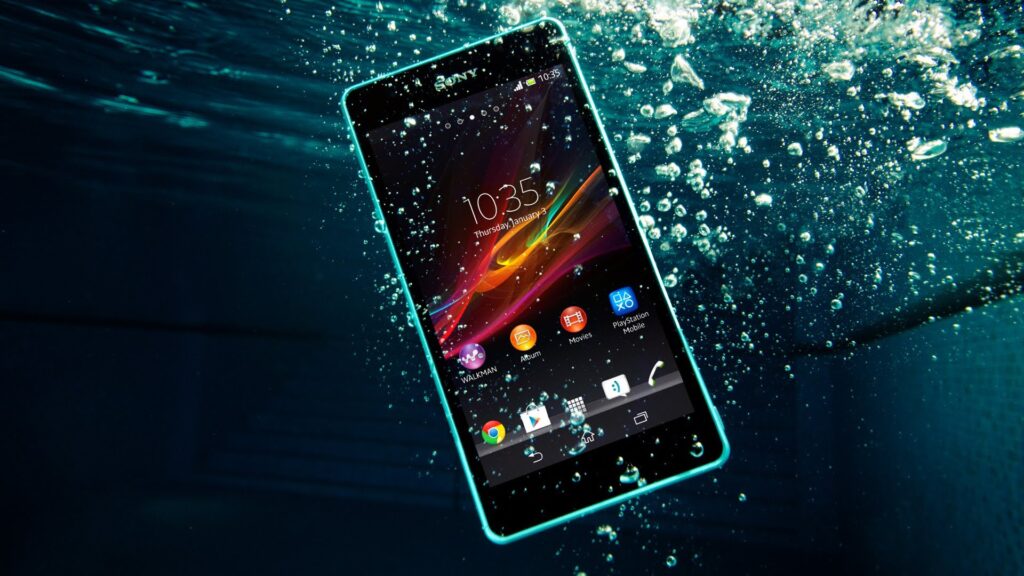
As we gaze at our smartphones, it’s hard to ignore the element of water that surrounds us. In this article, we’ll delve into the world of waterproof smartphones and explore the latest innovation from Panasonic, ELUGA. With its cutting-edge design and advanced technology, ELUGA represents a significant milestone in smartphone development, showcasing Panasonic’s commitment to innovation and sustainability.
What Makes a Smartphone Waterproof?
Waterproof smartphones are designed to withstand exposure to water, up to a certain depth. ELUGA is no exception, with its IP57 rating that means it can resist water ingress from all directions. But what makes this possible?
The Science Behind Water-Resistant Technology
ELUGA’s waterproof design is made possible by a combination of advanced materials and clever engineering. The phone’s body is crafted from a specialized polymer that repels water, while the screen is protected by a thin layer of glass. This multi-layered approach creates a strong barrier against water penetration.
The technology behind ELUGA’s waterproof design involves several key components:
- Water-repellent coating: The phone’s body features a water-repellent coating that prevents water from penetrating through the surface.
- Sealed seams: ELUGA’s sealed seams ensure that no water can enter the phone through the gaps between the screen and the frame.
- Pressurized design: The phone’s internal pressure is designed to prevent water from entering the device, even when submerged.
Designing for Durability
When designing a smartphone that can withstand water, designers must prioritize durability above all else. ELUGA’s sleek and slender design belies its ruggedness, with a sturdy frame that can resist external pressures. The phone’s weight, just 103 grams, is another testament to Panasonic’s commitment to creating devices that are both stylish and resilient.
Designers like Panasonic have long recognized the importance of durability in smartphone design. To address this challenge, they employ various techniques:
- Material selection: Careful selection of materials with high strength-to-weight ratios ensures that the phone can withstand external pressures.
- Water-resistant seals: Seals are applied to all openings, including the screen and ports, to prevent water entry.
- Structural reinforcement: Reinforcement of internal structures helps maintain the phone’s shape and integrity during exposure to water.
The Benefits of Water-Resistant Technology
Water-resistant smartphones offer several benefits, from improved safety to enhanced functionality. For athletes and outdoor enthusiasts, ELUGA provides a reliable companion for water-based activities, such as swimming or surfing. In fact, the phone’s waterproof design makes it an ideal choice for water sports enthusiasts.
Some key benefits of water-resistant technology include:
- Improved safety: Water-resistant smartphones can provide users with peace of mind during water-based activities.
- Enhanced functionality: With ELUGA, users can enjoy seamless streaming and sharing capabilities without worrying about water damage.
- Increased durability: Water-resistant design reduces the likelihood of internal component failure due to water exposure.
Powering the Future
ELUGA is powered by a 1.5 GHz processor, paired with Android 4.0 (Ice Cream Sandwich) technology. This powerful combination ensures smooth performance and efficient energy consumption. Additionally, the phone features a “mode eco” that optimizes energy usage when the battery level is low, reducing environmental impact.
Panasonic’s focus on sustainability extends beyond ELUGA’s design to its power supply as well:
- Energy-efficient components: The phone’s components are carefully selected for their low power consumption.
- Power-saving features: Features like “mode eco” enable users to extend battery life while minimizing energy waste.
Sustainable Design
Panasonic’s commitment to sustainability shines through in ELUGA’s design. The phone’s energy-efficient components and environmentally friendly materials reduce waste and minimize its carbon footprint. As consumers increasingly prioritize eco-friendliness, companies like Panasonic are leading the charge towards a more sustainable future.
Some ways Panasonic contributes to sustainable design include:
- Material selection: Careful consideration of materials with reduced environmental impact is incorporated into ELUGA’s design.
- Design for recyclability: The phone’s modular design makes it easier to disassemble and recycle components at the end-of-life cycle.
- Reducing e-waste: By designing a device that can withstand water, Panasonic reduces the likelihood of unnecessary replacements or upgrades.
Unlocking New Possibilities
ELUGA’s innovative design opens up new possibilities for users. With the Swipe and Share feature, you can wirelessly transfer images to your TV or share content with friends and family. This technology also enables seamless streaming of videos from your phone to your TV.
Some potential applications of ELUGA’s technology include:
- Water sports: ELUGA’s waterproof design makes it an ideal choice for water-based activities, such as swimming or surfing.
- Outdoor adventures: The phone’s durability and water resistance enable users to enjoy the great outdoors with confidence.
- Streaming and sharing: With Swipe and Share, you can share your experiences and photos with others, regardless of their location.
Panasonic’s Return to the Mobile Market
With ELUGA, Panasonic is re-entering the European mobile market after a six-year hiatus. The company’s ambitious plans include expanding its presence in key markets and innovating new products that meet evolving consumer needs.
Some key strategies for Panasonic’s return to the mobile market include:
- Innovative design: By incorporating advanced features like water resistance, Panasonic can differentiate itself from competitors.
- Sustainable focus: Emphasizing eco-friendliness and sustainability can help attract environmentally conscious consumers.
- Strong marketing efforts: Panasonic will need to invest in effective marketing campaigns to re-establish its brand presence in the mobile market.
Conclusion
ELUGA represents a significant milestone in smartphone development, showcasing Panasonic’s commitment to innovation and sustainability. With its waterproof design, energy-efficient features, and sleek design, this phone is poised to disrupt the mobile market. As we look to the future of mobile technology, ELUGA sets a new standard for what’s possible.
Frequently Asked Questions
- Is ELUGA truly waterproof?
Yes, ELUGA has an IP57 rating, which means it can resist water ingress from all directions up to a depth of 1 meter. - What makes ELUGA’s design so durable?
The phone’s body is crafted from a specialized polymer that repels water, while the screen is protected by a thin layer of glass. - How does ELUGA’s mode eco feature work?
ELUGA’s “mode eco” optimizes energy usage when the battery level is low, reducing environmental impact. - Is ELUGA available for purchase now?
Yes, ELUGA is available at a competitive price of around €400. - Can I use ELUGA in water sports or activities?
Yes, ELUGA’s waterproof design makes it an ideal choice for water-based activities such as swimming or surfing. - Does ELUGA support wireless sharing and streaming?
Yes, the phone features Swipe and Share technology that enables seamless wire-free transfers of images to your TV or streaming of videos from your phone. - What operating system does ELUGA run on?
ELUGA runs on Android 4.0 (Ice Cream Sandwich). - Is Panasonic’s commitment to sustainability genuine?
Yes, Panasonic is committed to reducing its environmental impact and promoting sustainable practices in its products and operations.


