
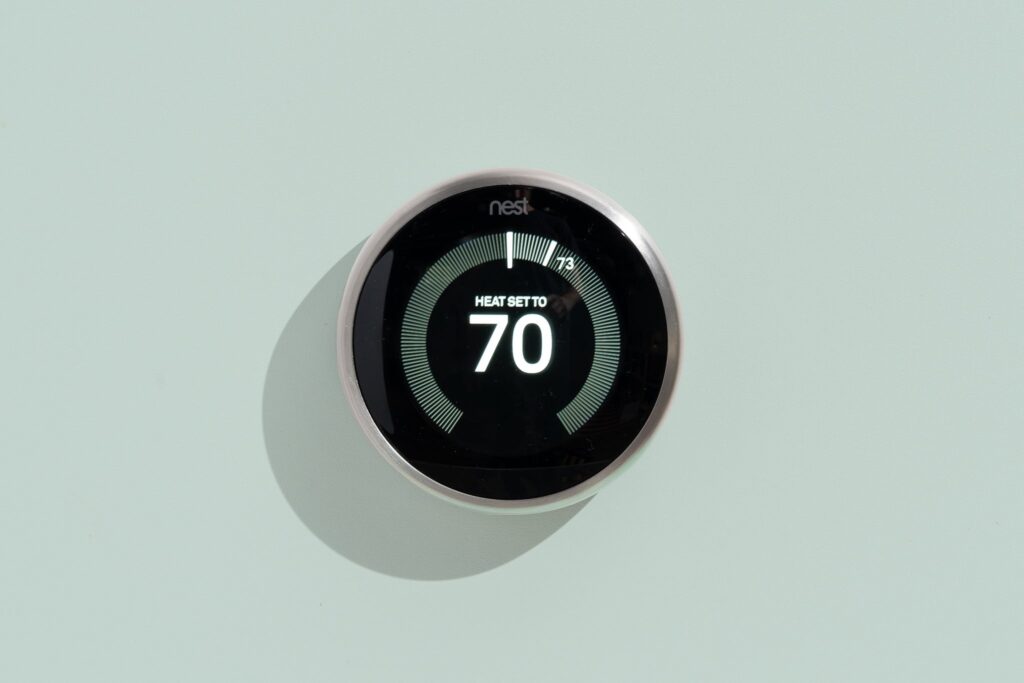
Imagine waking up to a perfectly temperature-controlled home, without ever having to adjust the thermostat yourself. Welcome to the world of smart thermostats, where technology meets comfort and energy efficiency. In this article, we’ll explore what makes these intelligent devices tick, how they work, and why you should consider upgrading your old-fashioned thermostat with one.
What is a Smart Thermostat?
A smart thermostat is a cutting-edge device that can learn your temperature preferences and adjust the heating or cooling system accordingly. It’s like having your own personal assistant, always looking out for your comfort and energy savings. But how does it work?
How Does a Smart Thermostat Work?
A smart thermostat uses advanced sensors to monitor the environment, including:
- Temperature: It checks the current temperature and adjusts the heating or cooling system accordingly.
- Humidity: It monitors the humidity levels in the air, ensuring that your home is neither too dry nor too humid.
- Lighting: It takes into account the amount of sunlight entering the room, adjusting the thermostat settings to maximize energy efficiency.
The Benefits of a Smart Thermostat
- Energy Savings: Smart thermostats can help you save up to $150 per year on your energy bills by optimizing heating and cooling usage.
- Improved Comfort: With a smart thermostat, you can enjoy a consistent temperature throughout the day, eliminating hotspots and cold spots in your home.
- Increased Convenience: No more worrying about turning up or down the heat while you’re away from home – your smart thermostat will take care of it for you.
Key Features to Look For
When shopping for a smart thermostat, consider the following features:
- Auto-learning capabilities: The ability to learn your temperature preferences and adjust accordingly.
- Integration with other smart devices: Compatibility with other smart home systems, such as Amazon Alexa or Google Assistant.
- Remote monitoring: The ability to monitor your thermostat settings from anywhere using a smartphone app.
The Future of Smart Thermostats
As technology advances, we can expect even more innovative features in smart thermostats. Some exciting developments include:
- Artificial intelligence (AI): Integration with AI algorithms that can predict energy usage and optimize heating and cooling systems accordingly.
- Voice control: Hands-free control using voice assistants like Amazon Alexa or Google Assistant.
Conclusion
A smart thermostat is more than just a device – it’s a game-changer for your home comfort and energy efficiency. With its advanced features, ease of use, and potential for AI integration, this technology has the power to revolutionize the way we live and work in our homes.
Frequently Asked Questions (FAQs)
- Q: How much does a smart thermostat cost?
- A: Smart thermostats can range from under $100 to over $300, depending on the brand and features.
- Q: Do I need an internet connection for my smart thermostat?
- A: Yes, most smart thermostats require an internet connection to function properly.
- Q: Can I control my smart thermostat remotely?
- A: Yes, most smart thermostats can be controlled remotely using a smartphone app.
- Q: How long does it take for a smart thermostat to learn my temperature preferences?
- A: The time it takes for a smart thermostat to learn your temperature preferences varies depending on the device and usage patterns.
- Q: Are smart thermostats compatible with all heating and cooling systems?
- A: No, smart thermostats are typically designed for specific types of heating and cooling systems, such as gas or electric furnaces or air conditioning units.
Types of Smart Thermostats
- Learned Thermostats: These devices learn your temperature preferences over time and adjust the heating and cooling system accordingly.
- Programmable Thermostats: These thermostats allow you to schedule temperature adjustments in advance, saving energy and improving comfort.
- Smart Learning Thermostats: These devices use advanced algorithms to optimize heating and cooling usage based on your behavior and preferences.
How to Choose the Right Smart Thermostat
- Determine Your Budget: Decide how much you’re willing to spend on a smart thermostat, considering the brand, features, and compatibility with other smart devices.
- Consider Compatibility: Ensure that the smart thermostat is compatible with your heating and cooling system, as well as any other smart home devices you may have.
- Look for Energy Efficiency: Opt for a smart thermostat that can help you save energy by optimizing heating and cooling usage.
- Check Reviews and Ratings: Research the device’s performance and reliability by reading reviews from other customers.
Best Smart Thermostats on the Market
- Nest Learning Thermostat (3rd Generation): This top-of-the-line smart thermostat can learn your temperature preferences, optimize energy usage, and integrate with other smart devices.
- Ecobee SmartThermostat: This smart thermostat uses advanced sensors to monitor humidity, lighting, and temperature, ensuring optimal comfort and energy efficiency.
- Honeywell Home T9 Smart Thermostat: This user-friendly smart thermostat offers auto-learning capabilities, integration with other smart devices, and remote monitoring.
Conclusion
Smart thermostats are revolutionizing home comfort and energy efficiency, offering a range of innovative features and benefits that can transform the way we live and work in our homes. By understanding the technology, features, and potential of smart thermostats, you can make an informed decision about whether this technology is right for your home.
Additional Tips
- Regular Maintenance: Ensure that your smart thermostat is properly maintained to optimize performance and extend its lifespan.
- Energy-Saving Strategies: Consider implementing energy-saving strategies, such as adjusting your temperature settings or using natural light during the day, to further reduce your energy consumption.
- Smart Home Integration: Explore other smart home devices that can integrate with your smart thermostat, enhancing your overall comfort and convenience.
By embracing the power of smart thermostats, you can enjoy a more comfortable, efficient, and connected living space that meets your evolving needs and preferences.


