
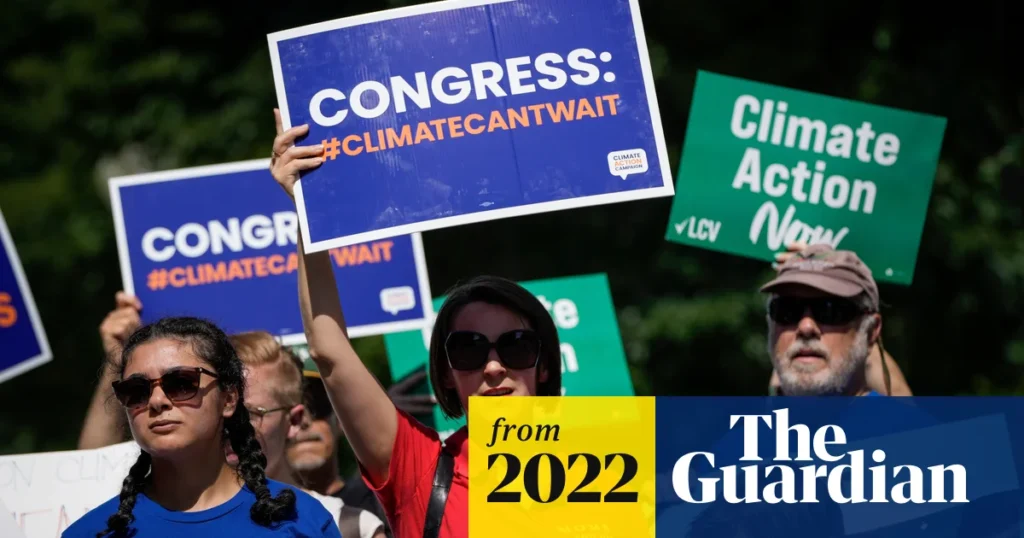
As the signs of climate change become increasingly evident, with devastating consequences such as melting glaciers, intense weather events, and widespread species extinction, it’s surprising to find politicians still in denial about the issue. We’re not just talking about Donald Trump, the self-proclaimed climate skeptic.
On June 5th, during World Environment Day celebrations, the Senate voted down a proposal to declare “climate emergency” for Italy, presented by three opposition parties (Fi, Pd, and LeU). The motion was opposed by the government, while the majority party, MoVimento 5 Stelle, watered it down without mentioning the emergency.
This decision is particularly concerning given that other countries have already taken similar steps. The Italian Parliament has not yet declared a climate emergency, unlike the UK and Ireland, and over 600 cities worldwide, including Milan, have made such declarations.
The proposed motion was aimed at implementing urgent measures to combat global warming by reducing greenhouse gas emissions, phasing out fossil fuels, and promoting renewable energy sources. However, the opposition party’s comments suggest that this is not enough for them.
The Opposition’s Concerns
The Green Party senator Loredana De Petris described the MoVimento 5 Stelle motion as “watered down” compared to the main climate threat facing Italy and the entire planet. She argued that the proposal did not go far enough in addressing the issue, stating that “the Italian government must take a more concrete step towards reducing emissions and transitioning to renewable energy.”
Andrea Ferrazzi, a Democrat senator and co-signatory of the Dem party motion, accused MoVimento 5 Stelle of again following the lead of Lega, an opposing party that has opposed Paris Agreement on Climate Change. He said, “We cannot afford to let politics get in the way of taking action on climate change. We need a government that is willing to work with all parties to find solutions.”
The Environmental Response
Meanwhile, environmental activists are now threatening to take legal action against the Italian government for inaction in the face of climate change. The Giudizio Universale – Invertiamo il processo (Universal Judgment – Let’s Turn Things Around) campaign is calling for a collective lawsuit demanding that the country takes more decisive measures to address global warming.
This is not an isolated incident. Many countries are using legal action to force governments, institutions, and corporations to take meaningful climate action. For example, in 2015, a Dutch court ruled that the government must do more to combat climate change, requiring a reduction of at least 25% of CO2 emissions by 2020 compared to 1990 levels.
In addition to the Italian situation, there are many other examples around the world where governments and corporations are being held accountable for their inaction on climate change. In 2019, a group of activists and lawyers from the Extinction Rebellion filed a lawsuit against the UK government, alleging that it had breached its obligations under international law to protect the environment.
What will happen next in Italy? Only time will tell if the country’s courts will follow suit and make a similar ruling.
The Importance of Climate Action
Climate change is not just an environmental issue; it affects us all. As individuals, we must take responsibility for our actions and demand more from our leaders. The Senate’s decision to reject the climate emergency declaration sends a message that the Italian government is not taking this crisis seriously enough.
We need to work together to find solutions to mitigate global warming and protect our planet for future generations. Will it be too late?
Frequently Asked Questions
- What does the climate emergency declaration mean for Italy?
The proposal aims to implement urgent measures to combat global warming, such as reducing greenhouse gas emissions and promoting renewable energy sources.
- Why is the Senate’s decision concerning?
The majority party watered down the motion without mentioning the climate emergency, despite opposition from the minority parties. This lack of urgency and commitment to addressing the issue raises concerns about the government’s priorities and willingness to act.
- What are the environmental consequences of inaction on climate change?
Ignoring the crisis can lead to devastating effects such as melting glaciers, intense weather events, and widespread species extinction. Rising sea levels, more frequent natural disasters, and decreased air quality are just a few examples of the many consequences of climate change.
- Have other countries already declared a climate emergency?
Yes, over 600 cities worldwide, including Milan, have made such declarations, while several countries, such as the UK and Ireland, have also taken similar steps. These declarations demonstrate the growing recognition of the urgent need for action on climate change.
- What is the Giudizio Universale – Invertiamo il processo campaign all about?
The collective lawsuit aims to force the government to take more decisive measures to address global warming by implementing urgent climate action. The campaign is calling for a judicial review of the Italian government’s policies and actions regarding climate change.
- Have there been previous instances of countries using legal action against governments for inaction on climate change?
Yes, a Dutch court ruled in 2018 that the government must reduce CO2 emissions by at least 25% by 2020 compared to 1990 levels. This ruling demonstrates that judicial action can be an effective tool for holding governments accountable for their actions.
- How will Italy’s courts respond to this situation?
It remains to be seen whether Italian courts will follow suit and make a similar ruling to the Dutch court. The outcome of the lawsuit will depend on various factors, including the strength of the arguments presented by the plaintiffs and the government’s ability to demonstrate that its actions are in line with international law and national regulations.
- What can individuals do to help address climate change?
Taking responsibility for our actions, reducing our carbon footprint, and demanding more from our leaders are just a few ways to contribute to solving this crisis. Individuals can also support organizations working on climate issues, participate in protests and campaigns, and advocate for policy changes that prioritize the environment.
Conclusion
The Senate’s decision to reject the climate emergency declaration is a concerning setback in the fight against global warming. However, it also serves as a wake-up call for individuals, organizations, and governments to take action.
As we move forward, it’s essential to recognize the urgent need for climate action and work together to find solutions. We must hold our leaders accountable for their actions and push for policy changes that prioritize the environment.
The future of our planet depends on it. Will you join us in demanding more from our governments and corporations? Together, we can make a difference and create a better future for all.


