
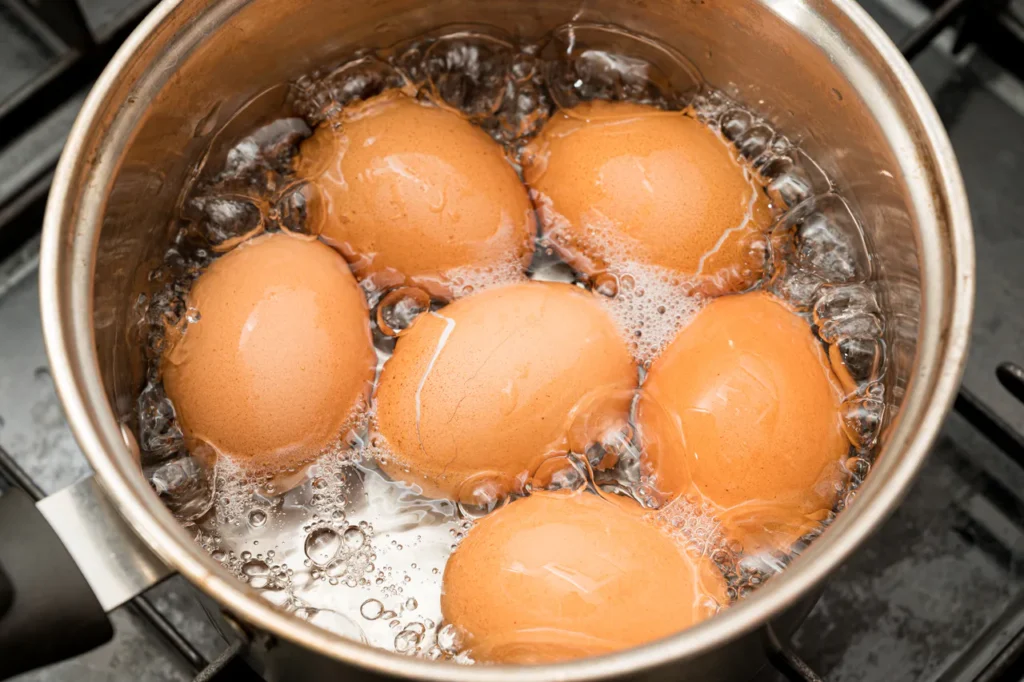
When it comes to cooking, the amount of water used can greatly impact the outcome. What temperature should you use? With or without a lid? Understanding these factors is crucial for a balanced diet, as water plays a key role in transferring heat and distributing aromas during cooking.
The quantity of water, initial temperature, and use of a lid on the pot all depend on the dish being prepared, affecting nutrient dispersion and dish quality. Let’s explore some guidelines for correctly cooking various foods in water.
Vegetables, Fruits, and Herbs: The Nutrient-Sensitive Group
Use minimal boiling water and cover them. Boiling water lacks air, and the lid protects it from external air, reducing nutrient loss due to oxidation. Cooking with a small amount of water is faster and minimizes losses through dissolvement and oxidation. Nutrient loss increases as cooking time extends.
Avoid cutting vegetables and fruits before cooking, as this increases their surface area in contact with water, leading to greater nutrient loss. Monitor cooking times: slightly tenderized vegetables are more flavorful and contain more vitamin C than overcooked ones.
Interestingly, losses of vitamin C are approximately 50% when cooked correctly, but can exceed 80% if cooking is neglected or prolonged. To minimize losses, aim for a gentle simmer instead of boiling, as this will help preserve the delicate nutrients in your vegetables.
Legumes: The Soaking Secret
After soaking them in water for several hours, cook them in plenty of cold water (not salted) with or without a lid. Legumes contain natural sugars that can caramelize and reduce their flavor when cooked in boiling water. By using a low-temperature cooking method, such as pressure cooking or slow cooking, you can preserve the natural sweetness and texture of legumes.
Pasta and Risotto: The Art of Boiling
Cook pasta and risotto in large amounts of boiling water (2.5 liters per 250 grams) without a lid. Small amounts of protein coagulate, leaving pasta and rice relatively firm to the bite. Excess water prevents the formation of a clump or mass.
A secret: boil pasta for half the recommended cooking time, then let it sit in boiling water until completion. The cooking water will be clear because the pasta (firmly cooked) has retained its starches. This technique also helps prevent overcooking and saves energy by reducing the amount of water needed.
Fish and Fish Soups: The Delicate Protein
Use a minimum of barely boiling water flavored with herbs and vegetables. Cover with a lid to speed up cooking. In boiling water, proteins coagulate quickly, causing fish fillets to curl up and whole fish to break apart in the cooking liquid.
When cooking fish soups, use a gentle simmer instead of boiling to preserve the delicate texture and flavor of the fish. Additionally, avoid overcooking, as this can lead to an unpleasant texture and loss of nutrients.
Meat for Boiling and Broth: The Moderate Approach
Use moderate amounts of hot water brought to a boil. Proteins coagulate quickly enough to prevent flavorful compounds from passing into the broth but not so quickly that meat becomes overcooked. Remove the skin from chicken when boiling whole, as it is very fatty.
For meats used in broths, prepare them in plenty of cold water: proteins coagulate slowly, allowing meat to absorb flavors added to the cooking liquid. However, note that cooked meat will be less flavorful due to the loss of connective tissue and other compounds during long periods of simmering.
Tips for Mastering Cooking in Water
By following these guidelines and experimenting with different techniques, you can unlock the secrets of cooking in water and enjoy a more balanced and delicious diet. Here are some additional tips to help you master cooking in water:
- Use the right type of pot: Choose a pot that allows steam to escape while keeping aromas contained.
- Monitor temperature: Adjust the heat accordingly to maintain a gentle simmer or boil, depending on the dish being prepared.
- Experiment with flavors: Add herbs and spices to your cooking liquid to enhance the flavor of your dishes without overcooking.
- Practice patience: Cooking in water requires attention to detail and patience. Don’t rush the process, as this can lead to nutrient loss and suboptimal results.
Conclusion
Cooking in water is an essential skill for every home cook. By understanding how to use water effectively, we can preserve nutrients and create dishes that are not only tasty but also healthy.
By using minimal boiling water, covering pots, and monitoring cooking times, we can minimize losses due to oxidation and dissolvement. Additionally, experimenting with different techniques such as soaking legumes or using moderate amounts of hot water for meats can help us unlock the full potential of our ingredients.
With practice and patience, you too can become a master of cooking in water and enjoy the benefits it has to offer.
FAQs
- What is the best way to preserve nutrients during cooking?
Using minimal boiling water, covering pots, and monitoring cooking times can help minimize losses due to oxidation and dissolvement. - How long should I soak legumes before cooking them?
Legumes should be soaked for several hours or overnight to rehydrate and make them easier to cook. - What is the ideal temperature for boiling water?
The ideal temperature for boiling water is when it reaches a rolling boil, which is around 212°F (100°C) at sea level. - How much water should I use for cooking pasta and risotto?
Use large amounts of boiling water (2.5 liters per 250 grams) without a lid to achieve the best results. - What is the secret to making fish soups delicious?
Using minimal boiling water flavored with herbs and vegetables, covering pots, and using moderate amounts of hot water brought to a boil can help preserve protein structure and flavor compounds. - How do I cook meat for boiling or broth without losing nutrients?
Use moderate amounts of hot water brought to a boil and prepare meats in plenty of cold water to prevent overcooking and nutrient loss. - What is the best way to retain vitamin C during cooking?
Cooking vegetables slightly tenderized (around 50% losses) can help retain more vitamin C than overcooked or undercooked ones. - How do I reduce gas consumption while cooking pasta and risotto?
Boiling pasta for half the recommended cooking time and then letting it sit in boiling water until completion can help achieve clear cooking liquid without excess water.
By following these guidelines and experimenting with different techniques, you can unlock the secrets of cooking in water and enjoy a more balanced and delicious diet. Happy cooking!


