
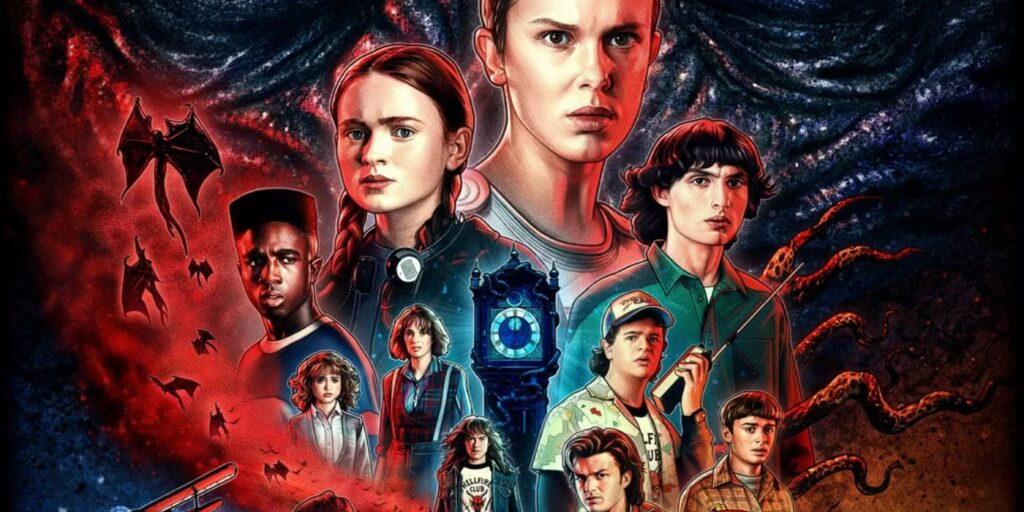
When the Netflix original series Stranger Things debuted in 2016, it didn’t just captivate audiences with its haunting storyline and lovable characters; it transported viewers back to the vibrant world of the 1980s. This nostalgic trip down memory lane is far from accidental; the series is a masterclass in utilizing 80s pop culture as a powerful tool for storytelling and style. In this article, we will explore how Stranger Things uses key elements of 80s pop culture—the music, movies, fashion, and technology—to shape its unique aesthetic and storytelling.
A Nostalgic Soundtrack
One of the most immediately recognizable elements of Stranger Things is its soundtrack. Composed by Kyle Dixon and Michael Stein, the series features an array of synth-heavy scores reminiscent of 80s electronic music. The sound evokes an emotional response, perfectly setting the mood for the eerie yet nostalgic settings of Hawkins, Indiana.
Classic Tracks as Emotional Anchors
Beyond the original score, Stranger Things artfully incorporates several classic tracks from the 80s that resonate with its themes. Songs by artists such as Madonna, The Clash, and The Bangles do more than just play in the background; they anchor emotional moments, connecting audiences with the characters while also evoking memories of the era. For instance, the inclusion of “Should I Stay or Should I Go” by The Clash interweaves with the show’s themes of friendship and loyalty, enhancing the narrative depth.
The Role of Music in Character Development
The music is also a character in its own right. The characters are often seen bonding over music, referencing their favorite bands and songs, which gives viewers an insight into their personalities. For instance, playlists from the characters provide a window into their emotional states and help lay the foundation for their motivations. By establishing a strong aural identity through music, Stranger Things captures the essence of what it was like to grow up in the 80s, making the show exceptionally relatable to those who lived through that decade.
80s Movies: Paying Homage
The homage to 80s cinema is perhaps one of Stranger Things‘ most defining qualities. The show seamlessly blends elements from iconic 80s films, which not only caters to the nostalgia of older viewers but also introduces younger audiences to this treasure trove of cinematic history.
Iconic Influences
The influence of cinematic giants like Steven Spielberg and John Hughes is palpable throughout the show. Elements reminiscent of E.T. the Extra-Terrestrial, The Goonies, and Stand By Me are weaved into the narrative, enriching the storytelling with a layer of understood references. The ensemble cast of children navigating through extraordinary circumstances mirrors the camaraderie and adventure found in classic 80s films, allowing viewers to draw parallels between the two.
The Adventure Narrative
The blend of sci-fi and coming-of-age tales is a hallmark of both Stranger Things and many 80s films. The children’s journey through the Upside Down reflects a shared experience of adventure, struggle, and resilience; themes that are universal and timeless yet deeply rooted in the narrative style of the 80s. By embracing these cinematic tropes, the creators of Stranger Things pay tribute to the films that shaped their childhood while creating a fresh narrative for a new generation.
Fashion: A Walk Down Memory Lane
The fashion choices in Stranger Things are more than just character costumes; they are emblematic of the era. The show captures the quintessential 80s style, from mullets and acid-wash jeans to high-waisted shorts and vibrant graphic tees.
Character Style and Individuality
Each character’s fashion sense communicates their personality and development. For example, Eleven’s early outfits—hand-me-downs from the boys—highlight her outsider status, while her evolving wardrobe symbolizes her growth and integration into the group. The contrast between characters, such as the preppy Lucas and the more laid-back Dustin, brings added texture to the group dynamic.
Nostalgic Fashion Choices
For viewers who lived through the 80s, seeing the fashion choices is like flipping through a photo album. The writers and costume designers have painstakingly recreated the look of the time, right down to the accessories. There’s something wonderfully nostalgic about seeing characters don scrunchies, friendship bracelets, and brightly colored sneakers that instantly transport viewers back to their youth. This attention to detail amplifies the sense of immersion in the show.
[amazon box=”B08XLLF3PG”]
Technology Reflection
The technology used within Stranger Things is another crucial component reflecting 80s culture. Rather than using modern tools, the show opts for vintage tech that enhances both the aesthetic and the storyline.
Analog over Digital
Throughout the series, we see characters utilizing rotary phones, walkie-talkies, and classic arcade games. This choice emphasizes the pre-digital age where communication relied on physical devices, making the characters’ struggles all the more palpable. For instance, the reliance on walkie-talkies among the group of friends signifies their closeness and the innocence of their childhood in a way that modern smartphones couldn’t replicate.
Vintage Aesthetics
The muted colors, grainy film quality, and analog visuals transport the audience back in time, creating a sense of authenticity. Cinematographer Tim Ives’ choice to use natural lighting and practical effects instead of heavy CGI helps maintain the show’s gritty, real-world feel. It sets the right atmosphere, blending light-hearted moments with the nail-biting tension that defines much of the series.
Themes of Friendship and Community
At its core, Stranger Things is a story about friendship and community—two themes that were heavily explored in 80s pop culture. This element draws a parallel between the communal experiences depicted in 80s films and the collective struggle of the characters.
Adventure and Loyalty
Just as many 80s films celebrated the power of friendship through adventure, Stranger Things chronicles the loyalty and courage of its main characters. Their friendship proves to be a source of strength against the supernatural forces threatening their town. The “party,” as they refer to themselves, embodies the essence of what it means to stand by one another, drawing on nostalgic ideals of camaraderie familiar to anyone who grew up watching classic 80s movies.
Community Dynamics
The show also delves into the social dynamics of small-town life, touching on themes of bullying, acceptance, and the pressure to fit in. These experiences resonate with viewers and offer a broader commentary on adolescence, nudging against the nostalgia by incorporating pertinent social issues. The presence of adults in the show—like Joyce Byers and Jim Hopper—further illustrates the community’s complexity and adds depth to the overall narrative.
The Lasting Impact of 80s Pop Culture
As Stranger Things weaves together these elements of 80s pop culture, it crafts a tapestry that is both familiar and innovative. The series stands as a testament to the lasting impact of the 80s on modern media, influencing not just how stories are told but how characters are developed and audiences engaged.
Reviving Cultural Interest
The resurgence of interest in 80s pop culture due to the show has prompted a revival of related films, music, and even fashion. Younger audiences are encouraged to explore the classics, allowing a new generation to appreciate the culture that defined a decade. This cross-generational connection is particularly poignant, fostering dialogues about childhood experiences and shared nostalgia.
A New Era of Storytelling
More than just a nostalgic nod, Stranger Things has set a precedent for how pop culture elements can enhance storytelling in contemporary media. This series has shown that drawing inspiration from the past doesn’t mean rehashing old ideas; rather, it can transform bygone cultures into something refreshingly new and relatable.
Conclusion: A Timeless Classic
The role of 80s pop culture in Stranger Things is vital to the series’ identity and appeal. From the nostalgic soundtrack and fashion to the homage to iconic films and the portrayal of friendship, every aspect enriches the viewer’s experience. By integrating these elements with sincerity and creativity, the show not only entertains but also evokes deeper emotions and connections with its audience.
As fans eagerly await subsequent seasons, one thing remains clear: Stranger Things will forever be a tribute to the magic of the 80s, illustrating how the past can serve as a launching pad for timeless storytelling. And as we continue to relive those moments, both old and new, we’re reminded that good stories and strong friendships echo through time, just as prominent now as they were in the heart of the 80s.



