
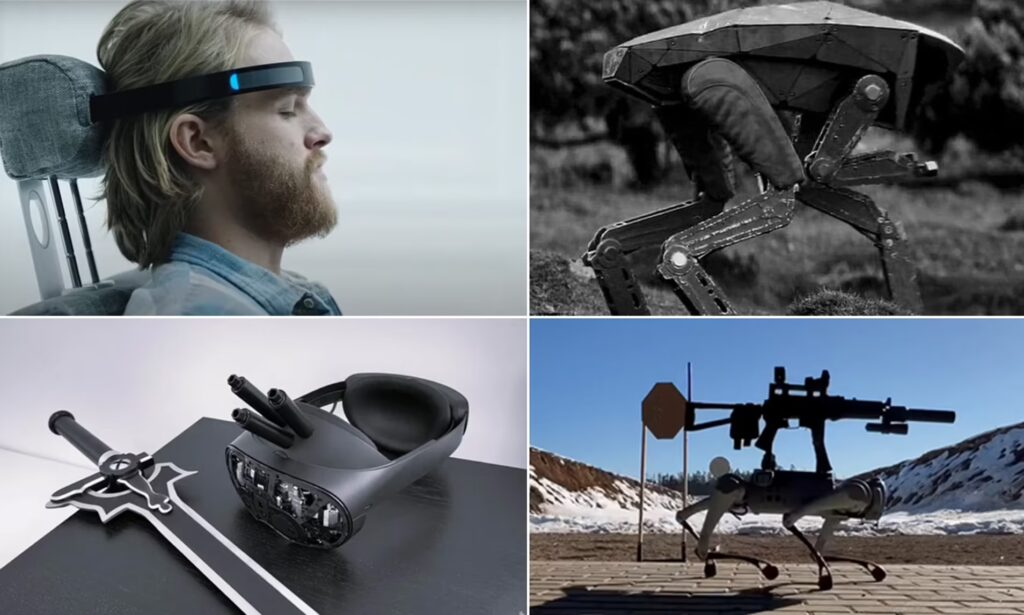
In the realm of television, few shows have captivated audiences quite like “Black Mirror.” Created by Charlie Brooker, this anthology series captivated viewers with its dark reflections on society, technology, and human nature. Each episode presents a unique story, often set in a near-future world that feels disturbingly plausible. But beyond its compelling storytelling, “Black Mirror” also serves as a commentary on the technologies that shape our lives. As we venture into the technological landscapes of our reality, it’s fascinating to explore the real-life innovations that resemble the sci-fi concepts presented on the show.
In this article, we’ll delve into some of the most intriguing episodes of “Black Mirror” and uncover the real-world technologies that echo its futuristic themes. Join us as we explore the intersection of technology and humanity, shedding light on how close we are to living out these dystopian narratives.
The Black Mirror Effect: How Technology Mirrors Our Reality
“Black Mirror” thrives on its ability to act as a mirror reflecting our own technological advancements, social struggles, and ethical predicaments. As we examine the actual technologies that parallel those showcased in the series, a broader question arises: Are we fated to repeat the mistakes depicted in these fictional scenarios?
1. “Nosedive” and Social Rating Systems
In the “Nosedive” episode, we encounter a world in which social interactions are dictated by ratings given by peers, reminiscent of a gamified version of social media. The protagonist, Lacie, becomes obsessed with raising her social standing, ultimately leading to her downfall.
Real-life Parallel: While we aren’t necessarily living in a world governed by a strict social credit system, platforms like Yelp and Airbnb already employ star ratings to influence consumer behavior. Moreover, China’s social credit system has garnered international attention, with its potential implications for personal freedom and privacy. The merging of social satisfaction and digital validation raises ethical questions about how we evaluate each other in a world increasingly reliant on technology.
2. “Hated in the Nation” and Automated Surveillance
In the episode “Hated in the Nation,” the lines blur between natural and artificial, as technology-enabled bees carry out deadly missions in response to online outrage. This chilling narrative speaks to our collective responsibility in the age of social media, where public opinion can quickly shift into a mob mentality.
Real-life Parallel: The rise of automated surveillance, including drones and AI systems, acts as both an enhancement of safety and a potential infringement on personal freedoms. With alarming incidents of online ostracism leading to real-world consequences, the moral implications of technology acting on societal trends are more relevant than ever. Similarly, the use of algorithm-generated responses and automated social media bots can exacerbate tensions, creating a facet of society where public sentiment can have dire repercussions.
3. “Fifteen Million Merits” and the Gig Economy
“Fifteen Million Merits” paints a stark picture of a future where people labor in monotonous tasks, earning “merits” that they can spend on entertainment and escape from their dreary lives. The episode serves as a critique of consumerism and society’s obsession with fame.
Real-life Parallel: The gig economy has emerged as a reality for many in modern society. Platforms like Uber, TaskRabbit, and Fiverr exemplify a work structure where flexibility and accessibility often come with exploitation. Individuals hustle to earn a living, mirroring the merits economy depicted in the episode. As we navigate an increasingly fragmented workforce, the themes of “Fifteen Million Merits” serve as a striking reminder of the sacrifices we might make for instant gratification and the pursuit of fame.
4. “San Junipero” and Virtual Afterlives
One of the most beloved episodes, “San Junipero” explores the idea of an afterlife where consciousness can be uploaded to a digital paradise. It raises questions about mortality, nostalgia, and the nature of reality itself.
Real-life Parallel: The concept of digital immortality is not mere fiction. Companies are exploring ways to create digital replicas of individuals, utilizing data from social media and personal interactions. With advancements in VR/AR technologies and AI, the notion of creating a virtual afterlife or digital consciousness becomes less of a fantasy and more of an ethical dilemma we will soon face. Furthermore, technologies like neural interfaces and brain-computer interfaces (BCIs) hint at the potential for achieving a form of consciousness beyond our physical selves.
5. “The Entire History of You” and Memory Recording
In “The Entire History of You,” a device allows individuals to record and replay their memories, resulting in a narrative ripe with jealousy, mistrust, and obsession. This episode delves into the fragility of human relationships and the complications arising from such invasive technology.
Real-life Parallel: Similar technologies are already in development. Startups like Neurotechnology and companies working on augmented reality lenses are exploring the potential of memory augmentation, which raises profound ethical questions about privacy and consent. As we begin to explore the practicality of recording our lives, we encounter new emotional terrains that complicate our understanding of memory and relationships.
[amazon box=”B08XLLF3PG”]
The technologies explored in “Black Mirror” are not merely fictitious musings; they serve as cautionary tales about the direction in which we’re headed. As these innovations develop, we must address the ethical dilemmas and societal impacts they may bring. It’s essential to engage in open discussions about these technologies, questioning how they influence society and the individual, as well as our collective moral compass.
6. “Playtest” and Immersive Gaming
In “Playtest,” a man tests an immersive virtual reality game that exploits his deepest fears, blurring the lines between reality and fantasy. This episode masterfully illustrates the profound psychological effects that technology can have on our minds.
Real-life Parallel: The gaming industry is witnessing rapid advancements in virtual and augmented reality technologies. With VR systems becoming more sophisticated, the psychological implications of immersive experiences warrant serious discussion. As gaming increasingly intertwines with reality, we ask whether there may come a time when distinguishing between real life and virtual experiences becomes challenging.
7. “White Christmas” and Guilt Inducement
“White Christmas” presents a dark vision of a world where individuals can be isolated from society and their consciousness can be manipulated or altered. This episode poignantly highlights the themes of guilt and consequence as the protagonist grapples with the implications of his actions.
Real-life Parallel: Technologies that encourage guilt-inducing behavior are already in play with mechanisms like “ghosting” and “toxic positivity” on social media. As mental health concerns rise, we must recognize the potential consequences of technology that amplifies feelings of loneliness and guilt, bringing to light the impact our digital habits can have on our well-being.
8. “Arkangel” and Parental Control Technology
In “Arkangel,” a mother uses a tracking and monitoring app to protect her child, ultimately blurring the lines of privacy and control. This episode tackles the complexities of parental love in a digital age.
Real-life Parallel: Real-world parental control apps and GPS tracking devices enable parents to monitor their child’s whereabouts and behavior. While technology can provide safety, it also raises questions about the balance between safety and invasion of privacy. In a world increasingly shaped by digital monitoring, the natural tension between protection and autonomy becomes painfully relevant.
Preparing for the Future: Responsible Technology Use
As we move forward in a technological landscape filled with potential and peril, cultivating responsible technology usage becomes paramount. Here are some ways to navigate this path:
-
Stay Informed: Educate yourself about emerging technologies and their potential impact. Knowledge is power, and understanding the implications of technology helps us make informed choices.
-
Engage in Dialogue: Your voice matters! Participate in discussions about ethics, technology policy, and how these innovations shape our world. Collaboration with peers helps us tackle the potential pitfalls.
-
Promote Responsible Usage: Advocate for balanced technology use. Emphasizing moderation can help combat addiction and detrimental social behaviors.
-
Support Ethical Innovations: Seek out and promote companies developing technologies with ethical considerations at the forefront. Ethical design can pave the way for safer and more humane technological experiences.
Conclusion: Reflecting on Our Reflection
“Black Mirror” serves as an artistic exploration of the intricate interplay between technology and society. By examining its narratives alongside real-world developments, we gain insight into the complexities of our evolving relationship with technology. While some predictions are still fictional, many elements are already in our lives, reminding us that the future is not predetermined; we have the power to shape it.
As we immerse ourselves in our connected lives, it becomes crucial to prioritize discussions that foster a deeper understanding of the ethical implications of our technologies. So, the next time you find yourself binge-watching “Black Mirror,” ponder the real-world connections and implications of its chilling narratives. Our role in this intricate tapestry of technology and humanity is just beginning—let’s make it a conscious one.
In a world that is constantly evolving, it’s more important than ever to understand the real-life technologies that underline our daily experiences. As we embrace the conveniences they offer, we must also tread carefully to ensure that we do not lose sight of our human essence in the process. Explore, engage, and reflect—after all, the future will ultimately become the reflection of our thoughtful choices today.


