
Introduction
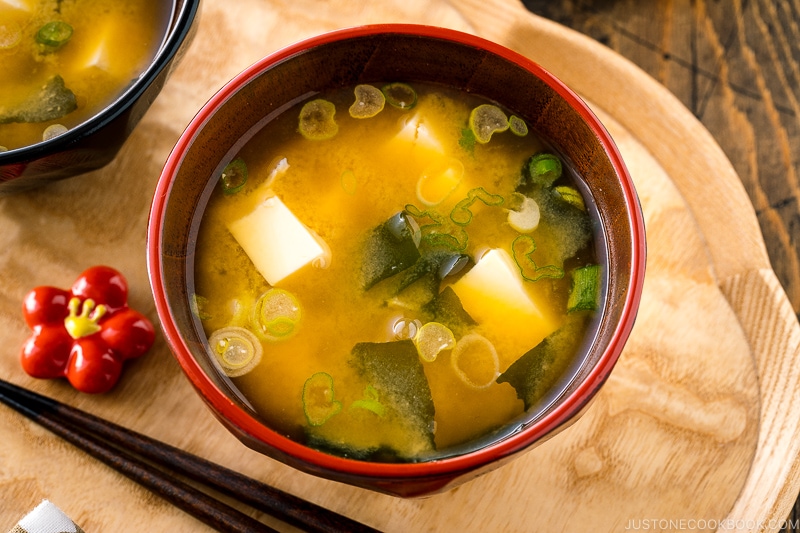
Japanese miso soup is a popular dish that has gained worldwide recognition for its unique flavor and numerous health benefits. However, many people are unaware of the true history and significance of this traditional Japanese soup. In this article, we will delve into the world of Japanese miso soup, exploring its origins, variations, properties, and uses.
What is Japanese Miso Soup?
Japanese miso soup, also known as Misoshiru (味噌汁), is a peasant dish that has undergone modifications over time. It originated in Japan during the Muromachi period and was initially made with seaweed, fish, and other seafood. Today, miso soup is enjoyed not only in Japan but also in Japanese restaurants around the world.
Variations of Japanese Miso Soup
In Japan, the ingredients of miso soup vary depending on the season, region, and climate. There are four main types of miso soup:
- Traditional Miso Soup: Made with dried wakame seaweed, sea lettuce, hijiki algae, mussels, shrimp, salmon, crabs, and fish scraps like heads or tails.
- Vegetable and Root Miso Soup: Featuring potatoes, Chinese potatoes, taro, vegetable roots, dandelion, carrots, shiitake mushrooms, ginger, onions, eggplants, mitsuba, Chinese cabbage, bamboo sprouts, and other vegetables.
- Tofu and Herb Miso Soup (popular in Italy): Made with tofu, vegetables, and herbs, this soup is often enriched with red meat or fish.
- Consistent Ingredient Miso Soup: Originating as a peasant dish, this recipe uses pork, vegetables like dandelion and potatoes.
The Importance of Miso
Miso is a traditional Japanese seasoning made from fermented soybeans with salt and koji. Koji is the fungus Aspergillus oryzae that activates fermentation of soybeans. Sometimes, miso is not made from soybeans but from rice, wheat, or other ingredients.
Properties of Miso Soup
The nutritional properties of miso soup depend on the ingredients used. However, some common properties include:
- High protein content
- Rich in vitamins and minerals
- May help lower blood pressure and cholesterol levels
- Can aid digestion and reduce inflammation
Miso’s Role in Japanese Cuisine
Miso is widely used in Japan, both in traditional and modern cuisine. Its unique flavor and numerous health benefits have made it a staple ingredient in many Japanese dishes.
Instant Japanese Miso Soup: A Convenient Alternative
Japanese instant miso soup is available in stores and is sold as a single-serving packet (for one person). It’s prepared by adding hot water, making it an easy and convenient option for those who want to enjoy the benefits of miso soup without the hassle of preparation.
Conclusion
Japanese miso soup is more than just a delicious and nutritious dish; it’s a part of Japan’s rich culinary heritage. With its varied ingredients, unique flavor, and numerous health benefits, miso soup has gained popularity worldwide. Whether you’re a seasoned foodie or a curious newcomer to Japanese cuisine, there’s no denying the charm and appeal of this traditional Japanese soup.
Frequently Asked Questions
- What is the difference between traditional and vegetable-based miso soup?
Traditional miso soup typically includes seafood and seaweed, while vegetable-based miso soup features potatoes, Chinese potatoes, taro, and other vegetables. - Can I make my own instant miso soup at home?
Yes, you can make your own instant miso soup by dehydrating and seasoning the ingredients yourself. However, store-bought instant miso soup is also a convenient option. - Is miso soup suitable for vegetarians and vegans?
Traditional miso soup may not be vegetarian or vegan due to its use of seafood and fish broth. However, many modern variations feature tofu and vegetables as the main ingredients. - How can I incorporate miso into my daily diet?
Miso can be added to soups, stews, salads, and even used as a seasoning in cooking. Experiment with different recipes and flavor combinations to find your favorite way to enjoy miso. - Can I use store-bought instant miso soup as a base for other dishes?
Yes, you can use store-bought instant miso soup as a starting point for other dishes, such as noodle soups or stir-fries. - What are the health benefits of eating miso soup regularly?
Regular consumption of miso soup may help lower blood pressure and cholesterol levels, aid digestion, and reduce inflammation. - Can I make my own miso at home?
Yes, you can make your own miso at home by fermenting soybeans with salt and koji. However, this process requires patience and specialized equipment. - Is miso soup suitable for people with gluten intolerance or sensitivity?
Traditional miso soup may contain gluten due to the use of wheat-based ingredients in some recipes. However, many modern variations are gluten-free and can be adapted to accommodate dietary needs.
The History of Miso Soup
Miso soup has a long history dating back to the 8th century when it was first introduced to Japan from China. Initially, miso soup was made with seaweed, fish, and other seafood, but over time, various ingredients were added depending on the region and season.
Regional Variations of Miso Soup
In Japan, different regions have their unique miso soup recipes:
- Tokyo-style: Features pork bones, vegetables, and tofu.
- Osaka-style: Includes mussels, shrimp, scallops, and seaweed.
- Kyoto-style: Made with dashi broth (made from kelp or bonito), seaweed, and various ingredients.
Miso Soup in Modern Times
In recent years, miso soup has gained popularity worldwide due to its unique flavor and numerous health benefits. Many modern variations feature tofu, vegetables, and herbs, making it a versatile ingredient for various dishes.
Conclusion
Japanese miso soup is a beloved dish that offers a rich culinary experience, coupled with its numerous health benefits. Whether you’re a seasoned foodie or an adventurous eater, there’s no denying the allure of this traditional Japanese soup.
By understanding the history and variations of miso soup, you can unlock the secrets to preparing delicious and nutritious meals that incorporate this versatile ingredient.


