
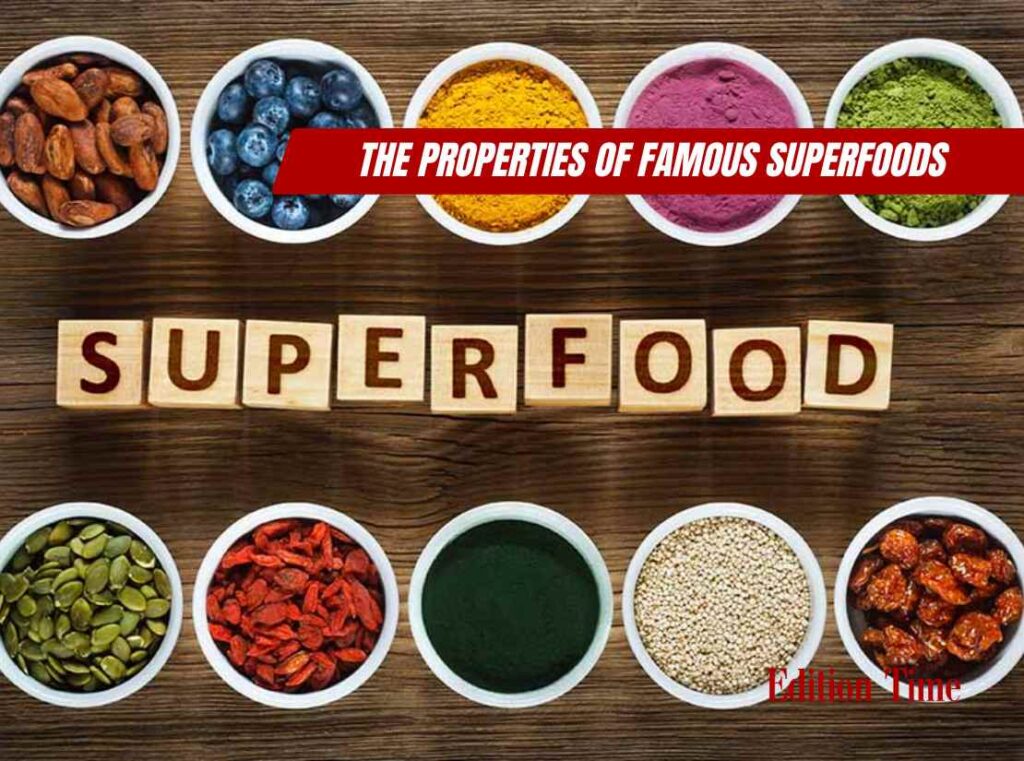
When I first encountered the term “superfood” years ago while covering nutrition trends, I’ll admit I was skeptical. It seemed like yet another marketing buzzword designed to make us spend more on groceries. But after diving deep into the research, interviewing nutritionists, and witnessing the genuine health transformations of people who incorporated these nutrient-dense powerhouses into their diets, I became convinced that some foods truly deserve their elevated status.
Superfoods are foods that have a very high nutritional density. This means that they provide a substantial amount of nutrients and very few calories. They contain a high volume of minerals, vitamins, and antioxidants. While nutritionally speaking, there is no such thing as a superfood from a regulatory standpoint, the term has become widely accepted to describe foods with exceptional nutritional profiles.
What fascinates me most about superfoods is their versatility and accessibility. We need an array of vitamins, minerals and other essential nutrients to promote your heart, brain and organs; smooth digestion; steady blood sugar; even mood and strong muscles and bones. Many of these “super” foods are items you can find in your local grocery store, not exotic ingredients requiring special ordering.
Understanding What Makes Foods “Super”
The Science Behind Superfood Properties
Antioxidants form the foundation of what makes many foods earn the superfood designation. Antioxidants are natural molecules that occur in certain foods. They help neutralize free radicals in our bodies. Free radicals are natural byproducts of energy production that can wreak havoc on the body, contributing to aging and disease development.
Many foods considered to be “superfoods” are rich in color, often indicating that they are rich in antioxidants. This visual cue has become one of my go-to methods for identifying nutrient-dense foods while grocery shopping. The deeper and more vibrant the color, the more likely the food contains beneficial compounds.
Polyphenols represent another crucial category of beneficial compounds found in superfoods. Some superfoods contain natural plant molecules which have powerful antioxidant or anti-inflammatory properties. Antioxidants have been shown to reduce the damaging effects of free radicals, particles that have been linked to the development of heart disease, arthritis and Alzheimer’s among others.
Beyond Basic Nutrition
What sets superfoods apart from regular healthy foods is their ability to provide benefits beyond basic nutrition. Often a superfood can promote health beyond simple nutrition. For example, some wholegrain superfoods like oats, have been shown to help reduce cholesterol.
During my research, I’ve learned that superfoods high in antioxidants and flavonoids help prevent coronary heart disease and cancer, as well as improving immunity and decreasing inflammation. This multifaceted approach to health support distinguishes superfoods from foods that might only provide one or two key nutrients.
The Most Famous Superfoods and Their Properties
Blueberries: The Antioxidant Champions
Blueberries have earned their reputation as one of the most researched and scientifically-backed superfoods. Packed with anthocyanins, blueberries help reduce inflammation, improve memory, and support heart health. Thanks to research funding from the blueberry industry, we do know that studies show that blueberries delay memory decline in older adults.
What impressed me most during my investigation was learning that blueberries have one of the highest levels of antioxidants among all foods. They also contain 24% RDA of Vitamin C and 36% RDA of vitamin K. A cup of blueberries only has 85 calories and these sweet berries can be used in smoothies, baking or even snacking.
The anthocyanins in blueberries deserve special mention. These compounds give blueberries their deep blue color and provide potent anti-inflammatory effects. Studies have shown that higher levels of flavonoids in berries have been shown to lower the risk of a heart attack.
Kale: The Nutritional Powerhouse Green
Kale has become perhaps the most famous superfood green, and for good reason. Once merely a garnish at upscale restaurants, this leafy green is now everywhere, with good reason: kale is antioxidant-rich and has high levels of iron, as well as 659% of your daily vitamin A value.
Kale is the food most mentioned as a ‘superfood’ on websites according to research studies. This cruciferous vegetable belongs to the Brassicaceae family and contains impressive amounts of vitamins A, C, and K, supporting eye health, immune function, and bone strength.
What makes kale particularly valuable is its lutein and zeaxanthin content. It is also rich in antioxidants like lutein and zeaxanthin, which are associated with a reduced risk of macular degeneration. These carotenoids help protect our vision as we age, making kale beneficial for long-term eye health.
Salmon: The Omega-3 Superstar
Salmon represents the gold standard among superfood proteins. Rich in omega-3 fatty acids and high-quality protein, salmon helps reduce inflammation, lower blood pressure, and support brain health. The American Heart Association recommends including 2 servings (3-4oz) of fish into your diet twice weekly.
A 4-ounce serving of salmon provides about 200 calories and 23 g of protein. It also packs a punch of b vitamins like b12, b6, niacin (b3) and riboflavin. These B vitamins support energy metabolism, brain function, and red blood cell formation.
The omega-3 fatty acids in salmon deserve particular attention. Your body metabolizes these fatty acids into compounds called resolvins and protectins, which have anti-inflammatory effects. Studies have found that people consuming salmon or EPA and DHA supplements experienced reductions in the inflammatory marker C-reactive protein (CRP).
Avocado: The Healthy Fat Champion
Avocados have become one of the most popular superfoods, and their reputation is well-deserved. Avocados are jam-packed with healthy, monounsaturated fat that appears to not raise LDL cholesterol. These healthy fats support heart health and help with nutrient absorption.
What makes avocados particularly valuable is their nutrient density. They’re loaded with fiber, potassium, vitamins K, C, and E, and folate. The combination of healthy fats and fiber helps promote satiety, making avocados excellent for weight management.
Avocados also enhance nutrient absorption from other foods. The healthy fats in avocados help your body absorb fat-soluble vitamins (A, D, E, and K) from other foods in your meal, making them an excellent addition to salads and vegetable dishes.
Quinoa: The Complete Protein Grain
Quinoa stands out among superfoods as one of the few plant foods that provides complete protein. Unlike most plant-based proteins, quinoa contains all nine essential amino acids, making it an excellent choice for vegetarians. It’s also rich in fiber and minerals.
This ancient grain from South America has been cultivated for thousands of years but has only recently gained widespread recognition. Quinoa is naturally gluten-free, making it an excellent option for people with celiac disease or gluten sensitivity.
The protein content of quinoa is particularly impressive for a grain. It provides approximately 8 grams of protein per cooked cup, along with 5 grams of fiber and important minerals like manganese, magnesium, and phosphorus.
Lesser-Known Superfood Stars
Chia Seeds: Tiny Nutritional Giants
Chia seeds may be small, but they pack an impressive nutritional punch. These tiny seeds are high in omega-3 fatty acids, fiber, protein, and various micronutrients. When soaked in liquid, they develop a gel-like consistency that makes them perfect for puddings and smoothies.
Fiber content is one of chia seeds’ most impressive features. Just one ounce provides 11 grams of fiber, which supports digestive health and helps maintain stable blood sugar levels. They’re also a good source of plant-based protein.
Greek Yogurt: The Probiotic Powerhouse
Greek yogurt earned its superfood status through its exceptional protein content and beneficial probiotics. Greek yogurt is packed with probiotics, protein, and calcium, supporting gut health, digestion, and muscle recovery.
The straining process that creates Greek yogurt removes much of the liquid whey, concentrating the protein content. This results in yogurt that contains roughly twice the protein of regular yogurt, making it excellent for muscle building and satiety.
Sweet Potatoes: The Vitamin A Champions
Sweet potatoes provide an excellent source of beta-carotene, which converts to vitamin A in the body. Sweet potatoes are also a great source of vitamins A, B, and C. They also contain calcium, iron, and healthy antioxidants.
The orange flesh of sweet potatoes indicates high levels of carotenoids, powerful antioxidants that support immune function and eye health. They’re also rich in fiber and provide sustained energy through complex carbohydrates.
The Truth About Superfood Claims
Separating Science from Marketing
While I’ve become a believer in the power of nutrient-dense foods, it’s important to maintain realistic expectations. A lot of people have unrealistic expectations about these foods, thinking they’ll be protected from chronic diseasesby eating them alone. The truth is more nuanced.
No single food can transform your health overnight, but incorporating a variety of nutrient-dense superfoods into a balanced diet can provide significant health benefits. The key is viewing superfoods as part of a comprehensive approach to healthy eating rather than magic bullets.
Research Limitations
It’s worth noting that many superfood studies have limitations. Many of the studies supporting the benefits of blueberries are animal studies, and there’s no consensus in the scientific community on how to measure antioxidant levels in the body. This doesn’t invalidate the benefits but reminds us to maintain perspective.
The term ‘superfood’ is technically not regulated by the FDA, meaning that there is no scientific or legal definition and is primarily used as a marketing term. However, the foods that earn this designation typically do provide exceptional nutritional value.
Practical Ways to Incorporate Superfoods
Smart Shopping Strategies
Look at the colors on your plate. Is all of your food brown or beige? Then it is likely that antioxidant levels are low. Add in foods with rich color like kale, beets, and berries. This simple visual assessment can help ensure you’re getting a variety of beneficial compounds.
Buy your produce in season and from local sources to ensure the highest nutrient content. Don’t discount the humble apple or carrot either — all fruits and vegetables are essentially superfoods when compared to processed foods.
Simple Preparation Methods
Add shredded greens to soups and stir fries. Try replacing your beef or poultry with salmon or tofu. These simple swaps can dramatically increase the nutritional density of your meals without requiring complex recipes.
Smoothies offer an excellent way to combine multiple superfoods. I’ve found that blending kale or spinach with berries, Greek yogurt, and chia seeds creates a nutritional powerhouse that’s both delicious and convenient.
Meal Planning with Superfoods
Replace as many processed foods as possible with whole foods will drastically improve health. Focus on incorporating a variety of superfoods rather than obsessing over individual items.
Consider starting your day with overnight oats topped with berries and nuts, including salmon or other fatty fishtwice per week, and adding leafy greens to at least one meal daily. These simple habits can significantly increase your superfood intake.
Making Superfoods Affordable
Budget-Friendly Options
The truth is that many common superfoods offer similar benefits at lower prices. For example, extra virgin olive oil, eggs, onions, and nuts are affordable superfoods that provide excellent nutritional value without breaking the budget.
Frozen options often provide the same nutritional benefits as fresh superfoods at a fraction of the cost. Frozen berries, for instance, retain their antioxidant content and are available year-round at consistent prices.
Seasonal Shopping
Local and seasonal superfoods tend to be more affordable and nutrient-dense. When foods are in season locally, they’re typically at peak nutritional value and lowest cost. This approach also supports environmental sustainability.
The Future of Superfoods
Emerging Trends
By 2025, sustainable and local superfoods will be sought after. More research is expected on algae and medicinal mushrooms. Fermented superfoods will become more popular for their probiotic benefits. This shift toward sustainability reflects growing awareness of environmental impact.
Functional mushrooms are gaining recognition for their unique compounds. Eating more mushrooms may be associated with a lower risk of cancer, particularly breast cancer, according to a review of studies. Mushrooms are also rich in antioxidants, including a particularly powerful one called ergothioneine.
Scientific Developments
Food innovation is booming and driving the growth of the superfood market in new directions. Science is advancing rapidly in nutrition, leading to better understanding of how specific compounds in foods affect human health.
Research continues to reveal new benefits of familiar superfoods while identifying previously unknown superfood properties in common foods. This expanding knowledge base helps us make more informed choices about our diets.
Building a Superfood Lifestyle
The Balanced Approach
Good health is best supported by eating a variety of nutritious foods every day. Including some or all of the foods on superfood lists as part of a balanced diet can help your overall health and even prevent certain chronic diseases.
The key to optimal health lies in maintaining healthy and varied eating habits, based on fresh and natural foods. Food education is crucial for understanding that superfoods work best as part of a comprehensive healthy lifestyle.
Long-term Success
Eat a “super diet” rather than concentrate on individual foods. This holistic approach ensures you’re getting a wide range of nutrients and beneficial compounds rather than focusing too narrowly on specific items.
Remember that superfoods are beneficial in a varied diet and a healthy lifestyle. It is vital to base your consumption on scientific evidence, not just marketing claims. The most successful approach combines multiple superfoods with regular physical activity, adequate sleep, and stress management.
Understanding the properties of famous superfoods empowers us to make informed dietary choices that support long-term health and vitality. While no single food is miraculous, the consistent inclusion of these nutrient-dense powerhouses can contribute significantly to overall wellness when part of a balanced, varied diet.



