
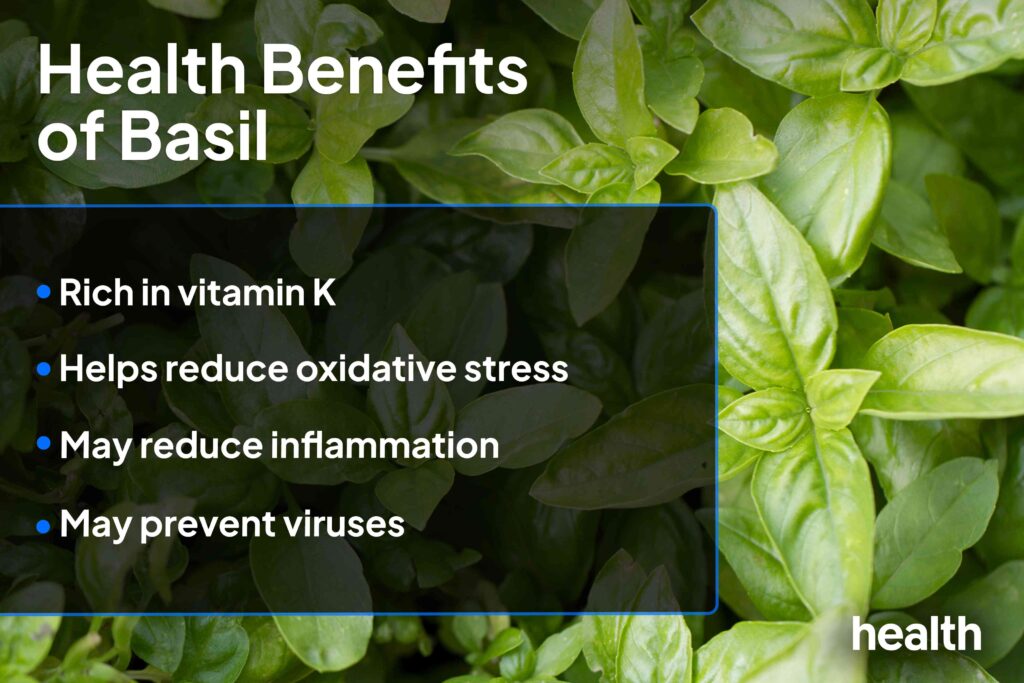
Basil is a popular herb that not only adds flavor to various dishes but also possesses numerous health benefits. From its aromatic properties to its medicinal uses, basil has been used for centuries in traditional medicine and cooking. In this article, we will explore the different types of basil, their properties, and how to use them for various purposes.
Basil: A Versatile Herb
Basil is a perennial herb that belongs to the mint family. It is native to Asia and can be grown indoors or outdoors in warm climates. The plant has a slender stem with small, ovate leaves that are typically green in color. Basil comes in different varieties, including sweet basil, Thai basil, and lemon basil.
- Sweet Basil: This is the most widely available variety of basil and is commonly used in cooking.
- Thai Basil: Thai basil has a distinctive anise flavor and is often used in Southeast Asian cuisine.
- Lemon Basil: Lemon basil has a citrusy flavor and is often used in salads and desserts.
Properties of Basil
Basil contains several compounds that have medicinal properties. These include:
- Digestive Enzymes: Basil has natural digestive enzymes that can help alleviate symptoms of indigestion and bloating.
- Antioxidants: The antioxidants in basil can help protect against cell damage and reduce inflammation.
- Anti-Inflammatory Compounds: Basil contains anti-inflammatory compounds that may help alleviate pain and swelling.
Using Basil for Health Benefits
Basil can be consumed in various forms to reap its health benefits. Some of the most common ways to use basil include:
- Infusing: Infuse fresh basil leaves in hot water to make a tea that can help with digestion.
- Cooking: Add fresh or dried basil leaves to your favorite dishes for added flavor and nutrition.
- Essential Oil: Use basil essential oil to reduce stress and anxiety, improve sleep quality, and alleviate pain.
The Benefits of Basil Oil
Basil oil, also known as essential oil, has been shown to have several health benefits. Some of the most significant benefits include:
- Reducing Stress and Anxiety: The aroma of basil oil can help reduce stress and anxiety by promoting relaxation.
- Improving Sleep Quality: Basil oil may help improve sleep quality by promoting a sense of calmness.
- Alleviating Pain: Basil oil has been shown to alleviate pain by reducing inflammation.
Valuing Nutrients in Basil
Basil is rich in several nutrients that are essential for maintaining good health. Some of the most significant nutrients found in basil include:
- Vitamin A: Basil contains vitamin A, which is essential for healthy vision and immune function.
- Vitamin C: Basil is a good source of vitamin C, which helps boost the immune system.
- Potassium: Basil is a good source of potassium, which can help lower blood pressure.
Semi of Basil
Basil seeds have been used for centuries in traditional medicine. They contain several compounds that have medicinal properties, including:
- Antioxidants: The antioxidants in basil seeds can help protect against cell damage and reduce inflammation.
- Anti-Inflammatory Compounds: Basil seeds contain anti-inflammatory compounds that may help alleviate pain and swelling.
Conserving Basil
Basil is a delicate herb that requires proper care to maintain its freshness. Some of the most effective ways to conserve basil include:
- Drying: Dry fresh basil leaves to make dried basil that can be stored for months.
- Freezing: Freeze fresh basil leaves to preserve their flavor and nutritional value.
Growing Basil
Basil is relatively easy to grow indoors or outdoors in warm climates. Here are some tips for growing basil:
- Choose a Sunny Location: Basil needs plenty of sunlight to thrive, so choose a location that receives at least six hours of direct sunlight per day.
- Use Well-Draining Soil: Basil prefers well-draining soil, so mix in some compost or perlite to improve drainage.
- Water Regularly: Basil needs regular watering to stay healthy and thrive.
Cooking with Basil
Basil is a versatile herb that can be used in a variety of dishes, from pesto to salads. Here are some tips for cooking with basil:
- Use Fresh Basil Leaves: Use fresh basil leaves to add flavor and nutrition to your dishes.
- Pair Basil with Other Herbs: Pair basil with other herbs like parsley, dill, or mint to create unique flavors.
- Add Basil to Sauces and Marinades: Add basil to sauces and marinades for a boost of flavor.
Conclusion
Basil is a versatile herb that has numerous health benefits. From its aromatic properties to its medicinal uses, basil has been used for centuries in traditional medicine and cooking. By consuming basil in various forms and using its essential oil, you can reap the rewards of this amazing herb.


