
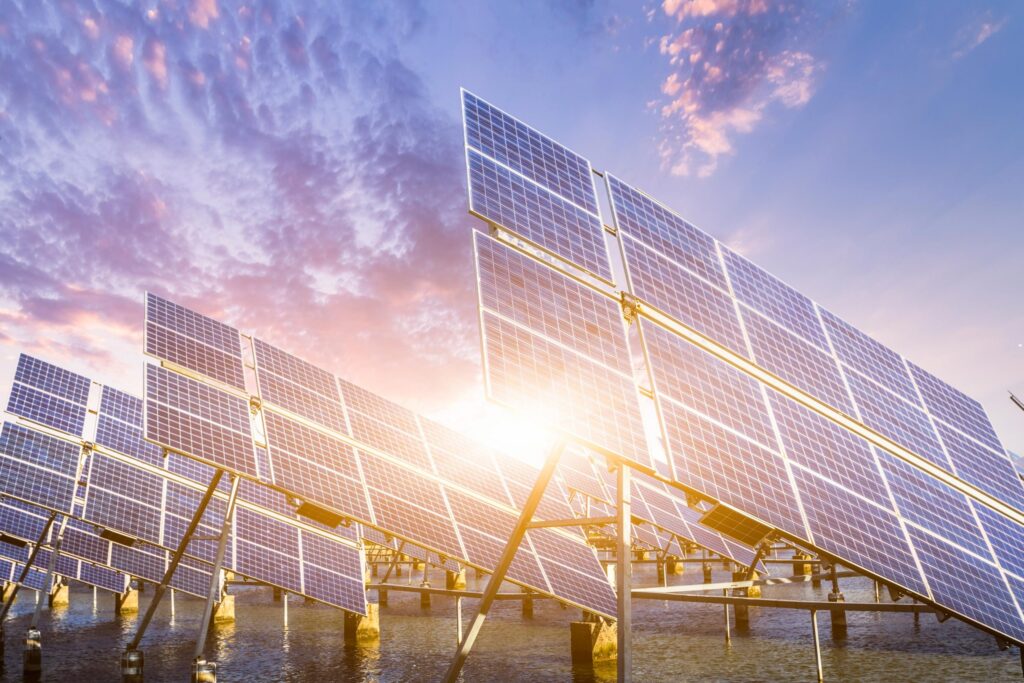
In the future of solar energy, there are photovoltaic cells that are both super-efficient and economical. Efficient because they will achieve a return rate of 40% with innovative materials. Economical because, thanks to economies of scale, they will be cheaper than silicon-based solar cells. This makes solar energy an attractive option even without government incentives.
Introduction
The Italian National Agency for New Technologies, Energy and Sustainable Economic Development (ENEA) has set its sights on developing advanced technologies to create high-efficiency and low-cost photovoltaic modules that convert sunlight into electricity. This goal aligns with the mission of fostering innovation and competitiveness in the national production system while avoiding government funding.
Advances in Silicon-Based Photovoltaics
Studies by ENEA have led to the development of new materials that improve the performance of solar devices. One such line of research focuses on the creation of solar cells with a yield exceeding 17%. These special photovoltaic cells can be used as standalone solar panels or as rear components of tandem devices with ultra-high efficiency.
Tandem Devices and Heterojunction Cells
Within the realm of heterojunction cells, researchers have developed innovative materials for the anterior component of the tandem structure. A prime example is the CZTS (Copper-Zinc-Tin-Sulfur) sulfide-based solar cell, a material that boasts favorable properties, low costs, and easy disposal.
Perovskite-Based Solar Cells
Another promising development in the field of photovoltaic cells is those based on perovskite crystals. These materials have garnered attention from researchers due to their ability to create hybrid solar cells made from organic and inorganic materials, achieving yields exceeding 20%. Furthermore, ENEA has achieved impressive results with organic solar cells, boasting an efficiency rate above 10%.
Economic Benefits of Advanced Photovoltaic Cells
The development of advanced photovoltaic cells is not only environmentally friendly but also economically beneficial. The economies of scale inherent in the manufacturing process will reduce costs, making solar energy a competitive option for both residential and industrial applications.
Challenges Ahead
Despite the promising advancements in photovoltaic technology, there are still challenges to be addressed. Researchers must continue to refine their materials and designs to achieve even higher efficiencies while minimizing production costs. However, with continued investment and innovation, the future of solar energy looks brighter than ever.
The Role of Nanotechnology in Photovoltaics
Nanotechnology plays a crucial role in the development of advanced photovoltaic cells. Researchers are exploring ways to harness the unique properties of nanoparticles to improve the efficiency and stability of solar devices. For instance, the use of quantum dots can enhance the absorption of sunlight by solar cells.
Bifacial Solar Cells: A New Frontier
Bifacial solar cells are a new type of photovoltaic device that can absorb light from both sides, increasing their energy conversion efficiency. These cells have the potential to revolutionize the way we generate electricity from sunlight.
The Impact of Advanced Photovoltaic Cells on Energy Policy
Advanced photovoltaic cells will significantly impact energy policy by providing an efficient and economical solution for renewable energy production. This could lead to a decrease in greenhouse gas emissions and help mitigate climate change.
Conclusion
The development of high-efficiency and economical photovoltaic cells marks a significant milestone in the quest for sustainable energy solutions. ENEA’s efforts have paved the way for a more efficient and cost-effective solar industry, paving the way for widespread adoption of renewable energy sources. As we move forward into the future, it is essential to continue investing in research and development to push the boundaries of what is possible.
Frequently Asked Questions
- What are the benefits of high-efficiency photovoltaic cells?
High-efficiency photovoltaic cells have a higher yield rate, which translates to more energy generated from the same amount of sunlight. This makes them an attractive option for both residential and industrial applications. - How do perovskite-based solar cells work?
Perovskite-based solar cells are made from hybrid materials that combine organic and inorganic components. These materials have shown exceptional performance, with yields exceeding 20%. - What is the future of solar energy?
The future of solar energy looks bright, with advancements in photovoltaic technology promising to make it more efficient, economical, and accessible. - How will high-efficiency photovoltaic cells impact the energy industry?
High-efficiency photovoltaic cells will significantly impact the energy industry by reducing costs, increasing competition, and paving the way for widespread adoption of renewable energy sources. - What are some of the challenges facing the development of advanced photovoltaic cells?
Despite promising advancements, researchers still face challenges in refining materials and designs to achieve even higher efficiencies while minimizing production costs. - How will ENEA’s efforts contribute to the future of solar energy?
ENEA’s efforts will contribute significantly to the future of solar energy by driving innovation, reducing costs, and promoting the adoption of renewable energy sources. - What are some of the benefits of economies of scale in photovoltaic manufacturing?
Economies of scale in photovoltaic manufacturing reduce costs by allowing manufacturers to produce larger quantities of cells at lower prices. - How can individuals support the development of advanced photovoltaic cells?
Individuals can support the development of advanced photovoltaic cells by advocating for policies that promote renewable energy, investing in solar panel installations, and promoting sustainable living practices.
References
- ENEA (2020). High-Efficiency Solar Cells: A Review of the Current State of the Art.
- IEEE (2019). Advanced Photovoltaics: From Materials to Devices.
- National Renewable Energy Laboratory (NREL) (2018). Solar Cell Efficiency: An Overview.
Glossary
- Bifacial solar cells: Solar panels that can absorb light from both sides, increasing their energy conversion efficiency.
- CZTS (Copper-Zinc-Tin-Sulfur): A sulfide-based material used in the development of high-efficiency solar cells.
- Heterojunction cells: Solar cells with two different semiconductor materials, which improve efficiency and reduce costs.
- Nanotechnology: The study and application of materials on a nanoscale, including their unique properties and potential applications.
- Perovskite-based solar cells: Solar cells made from hybrid organic-inorganic materials that combine exceptional performance with low costs.
Conclusion
In conclusion, the future of solar energy looks bright, thanks to advancements in photovoltaic technology. High-efficiency and economical photovoltaic cells will revolutionize the way we generate electricity from sunlight, providing a sustainable solution for renewable energy production. As we move forward into the future, it is essential to continue investing in research and development to push the boundaries of what is possible.


