
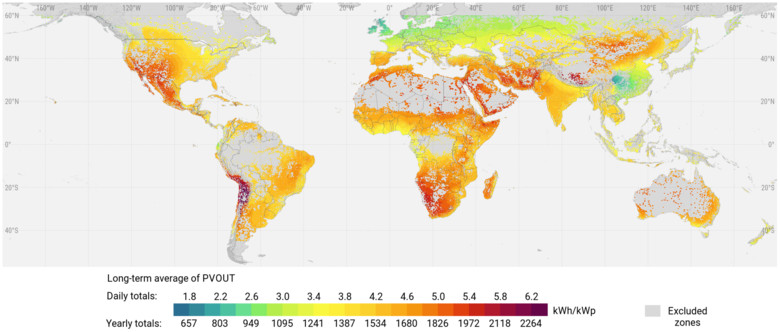
As the world grapples with the challenges of climate change, energy security, and sustainable development, a new study by the World Wildlife Fund (WWF) has shed light on a game-changing solution: renewable energy. Harnessing the Power of Solar Energy is a comprehensive report that explores the potential of solar photovoltaic (PV) technology to meet our global energy needs without compromising the planet’s resources.
The Solar PV Atlas: A Game-Changing Study
In collaboration with three leading companies in the renewable energy sector – First Solare, 3TIER, and Fresh Generation – the WWF has produced a groundbreaking study titled L’Atlante del Fotovoltaico, also known as the Solar PV Atlas. This ambitious report reveals that even if the entire global energy demand were to be met solely through solar energy, it would require only a tiny fraction of our planet’s surface area.
The Solar PV Atlas study provides an in-depth analysis of the technical and economic viability of large-scale solar energy production. The research team used advanced computer simulations to model the impact of various solar energy scenarios on global energy demand, climate change, and biodiversity. By analyzing data from over 200 countries, they were able to quantify the potential benefits of transitioning to a solar-powered world.
The Science Behind the Solution
So, how does this work? Simply put, solar PV technology converts sunlight into electricity using photovoltaic cells. This clean and renewable source of energy can power everything from homes and businesses to industries and transportation systems. The study shows that if we were to harness just 1% of our planet’s surface area for solar energy, it would be enough to meet the total global energy demand predicted for 2050.
The science behind solar PV technology is based on the principle of photovoltaics, which converts light into electrical energy through a process called photoelectromotive force. When sunlight hits a photovoltaic cell, it excites the electrons in the material, causing them to flow through an external circuit and generate electricity. This process is efficient enough to power a wide range of applications, from small electronics to large-scale industrial systems.
The Benefits of Solar Energy
But what about the benefits? The study highlights several advantages of transitioning to solar energy, including:
• Low Environmental Impact: Solar PV systems produce no greenhouse gas emissions or pollutants during operation.
• Rapid Economic Benefits: Investing in solar energy can generate significant economic returns within a few years.
• Improved Energy Security: Diversifying our energy mix with renewable sources like solar reduces reliance on fossil fuels and enhances energy security.
A New Era for Energy Production
The Solar PV Atlas study emphasizes that we can no longer afford to choose between environmental protection and economic development. Instead, we must work towards a rapid transition to a renewable energy-based paradigm. As Mariagrazia Midulla, WWF Italia’s Climate and Energy Director, puts it: “The changes we face require us to switch paradigms – now more than ever.”
Breaking Down Barriers
While there are still challenges to overcome, the study also highlights that no country needs to choose between energy efficiency and environmental conservation. Solar PV technology can be integrated into existing energy systems without compromising their performance or affecting local ecosystems.
In fact, the analysis of solar energy production data from 2012 reveals that Italy is already a leader in this field! This success story demonstrates that with concerted effort, any country can make significant strides in renewable energy development.
Case Studies: Successful Implementation of Solar Energy
Several countries have successfully implemented large-scale solar energy projects, demonstrating the viability and potential of this technology. Some notable examples include:
- Germany’s Energiewende program, which aims to reduce greenhouse gas emissions by 80% by 2050 through a combination of renewable energy sources, including solar power.
- India’s ambitious plans to increase its share of non-fossil fuels in the energy mix, with a focus on solar energy and wind power.
- China’s rapid growth in solar energy production, driven by government support and declining costs.
Challenges and Opportunities
While the benefits of solar energy are undeniable, there are still several challenges to overcome before we can fully harness its potential. These include:
- High Upfront Costs: The initial investment required for large-scale solar energy projects can be prohibitively expensive for many countries.
- Intermittency: Solar energy is an intermittent source of power, meaning that it is not always available when it is needed.
- Land Use: Large-scale solar energy projects require significant land areas, which can lead to conflicts over resource use and habitat destruction.
However, these challenges also present opportunities for innovation and growth. For example:
- Advances in Technology: Improved efficiency and reduced costs have made large-scale solar energy more viable than ever.
- Grid Integration: Advancements in grid management and storage systems are enabling the efficient integration of solar energy into existing power grids.
- Policy Support: Governments can play a crucial role in promoting the adoption of solar energy by offering incentives, tax breaks, and other forms of support.
Conclusion
The Solar PV Atlas study offers a compelling vision for our future – one where renewable energy powers our world without sacrificing its natural beauty. As we embark on this journey, we must remember that the solutions are within reach and that the benefits of a solar-powered world far outweigh the costs.
By working together to overcome the challenges and seize the opportunities presented by solar energy, we can create a more sustainable, equitable, and prosperous future for all. The time to act is now – let us join forces to harness the power of solar energy and build a better world for generations to come.
Frequently Asked Questions (FAQs)
- What is the Solar PV Atlas study?
The Solar PV Atlas is a comprehensive report by the WWF that explores the potential of solar photovoltaic technology to meet global energy demands without compromising natural resources. - How much surface area would be required for 100% renewable energy?
According to the study, only 1% of our planet’s surface area would be needed to generate enough electricity to meet the total global energy demand predicted for 2050. - What are the benefits of transitioning to solar energy?
The Solar PV Atlas highlights several advantages, including low environmental impact, rapid economic benefits, and improved energy security. - Can solar PV systems be integrated into existing energy systems?
Yes, according to the study, solar PV technology can be seamlessly integrated into existing power grids without compromising their performance or affecting local ecosystems. - Why is it essential to transition to a renewable energy-based paradigm?
The changes we face require us to switch paradigms – now more than ever. By transitioning to renewable energy, we can mitigate climate change, ensure energy security, and promote sustainable development. - What role does the WWF play in promoting solar energy?
The World Wildlife Fund (WWF) has been a leading advocate for renewable energy and sustainable development, providing research, analysis, and education on the benefits of transitioning to a low-carbon economy. - Can Italy continue to lead in the field of solar energy production?
Yes, according to the study’s analysis of 2012 data, Italy is already a leader in solar energy production, demonstrating that with concerted effort, any country can make significant strides in renewable energy development. - What is the next step for transitioning to a solar-powered world?
The Solar PV Atlas study emphasizes that immediate action is required to reduce greenhouse gas emissions and promote sustainable development. Governments, businesses, and individuals must work together to develop and implement policies that support a rapid transition to renewable energy sources like solar power.
Additional Resources
For further information on the Solar PV Atlas study and its findings, please visit:
- World Wildlife Fund (WWF) website: www.worldwildlife.org
- Solar PV Atlas report: www.wwf.it/atlante-del-fotovoltaico
Get Involved
Join the movement to transition to a solar-powered world by:
- Spreading Awareness: Share the story of the Solar PV Atlas study and its findings with friends, family, and colleagues.
- Supporting Renewable Energy Initiatives: Encourage your government to support policies that promote the adoption of renewable energy sources like solar power.
- Innovating Solutions: Collaborate with researchers, developers, and policymakers to identify new opportunities for harnessing the power of solar energy.


