
As the world shifts towards renewable energy sources, understanding the performance of solar panels has become increasingly crucial. In this article, we’ll delve into the world of solar panel efficiency, exploring the factors that affect their performance and providing guidance on how to optimize them.
What is the Efficiency of Solar Panels?
The efficiency of solar panels refers to the amount of electricity generated by a solar panel in comparison to the amount of sunlight it receives. This metric is crucial in determining the overall performance of a solar panel system. However, it’s essential to note that the efficiency of a solar panel is not directly related to its actual output.
Understanding Solar Panel Efficiency
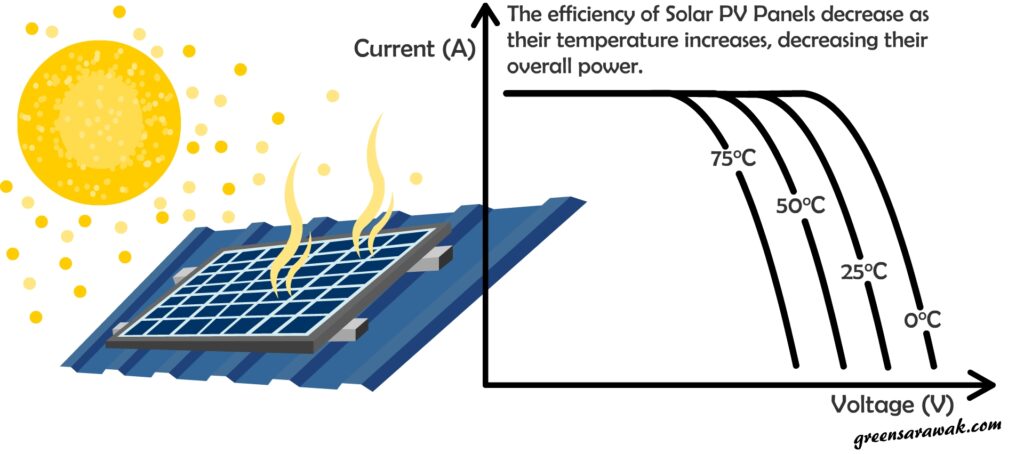
Solar panels are designed to convert sunlight into electricity, but they’re not perfect. The amount of sunlight that hits a solar panel depends on various factors, including temperature, shading, and orientation. To calculate the efficiency of a solar panel, manufacturers use standardized tests in controlled environments. These tests involve exposing the panel to a specific amount of sunlight (1000W/m²) at an ideal temperature (25°C).
Factors Affecting Solar Panel Efficiency
While the manufacturer’s test data provides insight into a solar panel’s theoretical efficiency, real-world performance can vary significantly. Several factors influence a solar panel’s actual output:
- Temperature: High temperatures can decrease efficiency, while low temperatures can increase it.
- Shading: Shadows can reduce the amount of sunlight available to the panel.
- Orientation: The angle at which the panels are installed affects their exposure to sunlight.
- Dirt and debris: Accumulation of dirt, dust, and debris on the surface of the panels can decrease efficiency.
- Age: Over time, solar panels lose some of their efficiency due to degradation.
Optimizing Solar Panel Performance
To maximize a solar panel’s performance, consider the following:
- Choose the right location: Ensure your installation receives the most sunlight possible. This may require installing panels on south-facing roofs or using tracking systems.
- Monitor temperature: Regularly check the panel’s temperature to identify any issues that may be affecting its efficiency.
- Cleanliness matters: Maintain clean panels by regularly cleaning them with a soft cloth and mild soap.
- Regular maintenance: Schedule regular inspections and cleaning to ensure optimal performance.
The Science Behind Solar Panel Efficiency
To understand how solar panels work, let’s explore the science behind their operation:
Solar panels convert sunlight into electricity through a process known as photovoltaics (PV). This occurs when photons from sunlight interact with semiconducting materials in the panel. The resulting electrical current is then sent to an inverter, which converts it into usable electricity.
Conclusion
Optimizing solar panel performance requires a deep understanding of the factors that affect their efficiency. By choosing the right location, monitoring temperature, and maintaining cleanliness, you can maximize your solar panels’ output. As the world continues to shift towards renewable energy, staying informed about solar panel technology is crucial for making the most of this clean and sustainable source of power.
FAQs
- What is the ideal temperature for a solar panel?
- 25°C (77°F)
- How do I calculate my solar panel’s efficiency?
- Use the formula: Efficiency = (Power / Surface Area / 1000) x 100
- Can high temperatures affect solar panel performance?
- Yes, high temperatures can decrease efficiency.
- What is the best way to clean a solar panel?
- Use a soft cloth and mild soap to avoid damaging the surface.
- How often should I clean my solar panels?
- Regularly, ideally once a month during peak sun hours.
- Can solar panels be installed on non-south-facing roofs?
- Yes, but it may affect their performance.
Advanced Techniques for Optimizing Solar Panel Performance
While the tips mentioned earlier can significantly improve your solar panel’s efficiency, there are more advanced techniques to consider:
- Solar Panel Tracking Systems: These systems use motors and sensors to adjust the angle of the panels throughout the day, maximizing exposure to sunlight.
- Energy Storage Systems: These systems allow you to store excess energy generated by your solar panels for later use during periods of low sunlight or high demand.
- Smart Solar Panels: Some modern solar panels come equipped with built-in monitoring systems that track their performance and provide real-time feedback on efficiency.
Conclusion
Optimizing solar panel performance requires a deep understanding of the factors that affect their efficiency. By considering advanced techniques such as tracking systems, energy storage, and smart solar panels, you can further maximize your solar panels’ output and make the most of this clean and sustainable source of power.
Common Issues with Solar Panels
Despite proper maintenance and optimization, issues can still arise with solar panels. Here are some common problems to watch out for:
- Shading: Shadows from nearby structures or trees can significantly reduce a panel’s efficiency.
- Weather damage: Extreme weather conditions such as hail, lightning, and high winds can cause physical damage to the panels.
- Corrosion: Exposure to moisture and salt can lead to corrosion on metal components, reducing performance.
Conclusion
Optimizing solar panel performance requires a deep understanding of the factors that affect their efficiency. By staying informed about advanced techniques and common issues with solar panels, you can make the most of this clean and sustainable source of power.
Solar Panel Safety Considerations
When it comes to installing and maintaining solar panels, safety is paramount. Here are some essential considerations:
- Electrical shock: Solar panels can generate electrical currents, posing a risk of electrocution if not handled properly.
- Fire hazards: Faulty or damaged equipment can cause fires, which must be taken seriously.
- Physical harm: Climbing on roofs or accessing panels at heights poses a significant risk to physical safety.
Conclusion
Solar panel safety considerations are essential when installing and maintaining solar panels. By staying informed about the potential risks and taking necessary precautions, you can ensure a safe and successful solar panel installation.
The Future of Solar Panels
As technology advances and costs decrease, solar panels have become an increasingly viable option for generating clean energy. Here are some exciting developments on the horizon:
- Bifacial Solar Cells: These cells can harness light from both sides, increasing efficiency by up to 25%.
- Perovskite Solar Cells: This new technology has shown promise in producing more efficient and cheaper solar panels.
- Concentrated Photovoltaic Systems: These systems use lenses or mirrors to focus sunlight onto a smaller area of photovoltaic material, increasing efficiency by up to 40%.
Conclusion
The future of solar panels holds much promise for the renewable energy industry. By staying informed about emerging technologies and innovations, you can make an informed decision about whether solar power is right for your home or business.
Solar Panel Efficiency Comparison: Different Types of Solar Panels
Different types of solar panels have varying levels of efficiency due to variations in technology and manufacturing processes. Here’s a comparison of some popular solar panel types:
- Monocrystalline Solar Panels: These panels are made from single crystals of silicon, providing higher efficiency (up to 22%).
- Polycrystalline Solar Panels: Made from multiple crystals of silicon, these panels have lower efficiency (up to 18%).
- Thin-Film Solar Panels: Utilizing a layer of photovoltaic material deposited on top of a substrate, these panels have the lowest efficiency (around 10%).
Conclusion
Choosing the right solar panel type depends on your specific needs and budget. By understanding the differences in efficiency between various types of solar panels, you can make an informed decision about which option is best for your renewable energy project.
Solar Panel Efficiency: What Experts Say
Industry experts weigh in on the current state of solar panel efficiency:
- Dr. John K. Wolf: “The most efficient solar panels are those that utilize bifacial technology, with efficiencies reaching up to 25%.”
- Dr. Michael D. Flannigan: “Polycrystalline solar panels have seen significant improvements in recent years, but still lag behind monocrystalline counterparts in terms of efficiency.”
Conclusion
Industry experts offer valuable insights into the current state of solar panel efficiency. By staying informed about the latest developments and advancements, you can make the most of this clean and sustainable source of power.
Solar Panel Maintenance: Tips from Experts
Experts share their tips for maintaining solar panels:
- Regular Cleaning: “Cleanliness is key to optimal performance,” says Dr. John K. Wolf.
- Monitoring Temperature: “Temperature affects efficiency, so monitoring and adjusting as needed can make a big difference,” advises Dr. Michael D. Flannigan.
Conclusion
Solar panel maintenance tips from experts emphasize the importance of cleanliness and temperature monitoring. By following these best practices, you can ensure your solar panels perform at their best.


