
Introduction
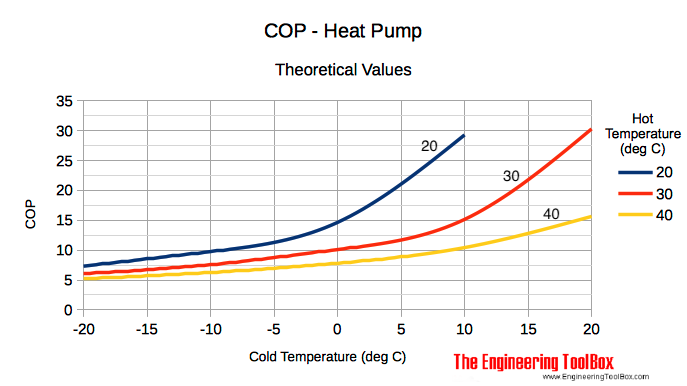
Heat pumps are evaluated in terms of performance independently of the various technologies involved. The difference lies in how this performance is expressed. In the case of heat pumps with compression, performance is measured using Coefficient Of Performance (COP) and Energy Efficiency Ratio (EER). For absorption heat pumps, the criterion is Gas Utilization Efficiency (GUE). Understanding these differences is crucial for making informed decisions about which type of heat pump to use in different applications.
Heat Pumps: A Brief Overview
Both heat pumps with transmission and those with absorption can operate by drawing on air, water, or ground. However, the best performance is achieved when using water as the source (not to mention a good ratio of performance to price). But there are drawbacks related to the withdrawal and discharge of water, and regulatory constraints that need to be considered.
In addition, heat pumps can be categorized into two main types: those with compression and those with absorption. Heat pumps with compression use refrigeration to transfer heat from one location to another, while those with absorption rely on a process involving a chemical reaction between a solid and a liquid.
Geothermal Heat Pumps: A Special Case
Geothermal heat pumps also have excellent performance but present their own set of advantages and disadvantages, such as higher costs (higher than air and water technologies) and limited availability due to requirements for large areas. In general, geothermal technology is more suitable for regions with suitable geological conditions.
The cost-effectiveness of geothermal heat pumps can be improved by using advanced drilling techniques and optimizing the system’s design. Furthermore, the use of renewable energy sources like solar or wind power can enhance the overall efficiency of geothermal heat pump systems.
Performance of Heat Pumps with Compression
In the geothermal technology (earth), these devices exhibit a range of 3.9-4.8 in terms of COP and 2.6-3.5 in terms of EER for a price of 800-1500 euros/kWe. In the water technology, the COP is around 4-5, with an EER of 3-4, at a price of 400-700 euros/kWe. In the air technology, we are at 3-4.5 and 350-700 in terms of EER.
The high performance of geothermal heat pumps can be attributed to the fact that they tap into the natural temperature difference between the earth’s surface and depth, reducing the need for external energy sources. This approach also minimizes greenhouse gas emissions and other environmental impacts associated with traditional heating systems.
Performance of Heat Pumps with Absorption
In this case, as mentioned earlier, heat pump performance is evaluated using Gas Utilisation Efficiency (GUE) and ranges include: earth (1.4-1.75), water (1.4-1.75), air (1.3-1.5). Prices are quite different: 950-1700 euros/kWe for geothermal, 480-750 for water, and 400-700 for the air technology.
The high performance of absorption heat pumps can be attributed to their ability to utilize waste heat from various sources, such as industrial processes or solar energy. This approach reduces the need for external energy sources, leading to lower operating costs and greenhouse gas emissions.
The Future of Heat Pumps
Technologies associated with heat pumps currently represent about 2% of installed production systems in buildings but have a large market potential in the coming years for producing thermal energy for heating, hot water, and even cooling (in the case of reversible pumps). In fact, excellent overall performance is achieved when combining solar hybrid technology with a heat pump.
The growing demand for renewable energy sources and sustainable technologies will drive innovation in the field of heat pumps. Advancements in materials science, computational modeling, and system design will lead to more efficient, cost-effective, and environmentally friendly heat pump systems.
Conclusion
Heat pumps offer a promising solution for reducing our environmental impact while meeting our increasing energy demands. As technology continues to evolve, we can expect to see improvements in efficiency, cost-effectiveness, and environmental sustainability. By understanding the different types of heat pumps and their performance characteristics, we can make informed decisions about which technologies are best suited to meet our needs.
Frequently Asked Questions
- What is a heat pump?
A heat pump is an efficient system that transfers heat from one location to another, often using renewable energy sources like solar or geothermal. - How do heat pumps work?
Heat pumps use refrigeration to transfer heat from one location to another, often using a fluid that absorbs and releases heat as it circulates through the system. - What are the benefits of heat pumps?
Heat pumps offer several benefits, including energy efficiency, reduced greenhouse gas emissions, and lower operating costs compared to traditional heating systems. - What types of heat pumps are available?
There are several types of heat pumps available, including air-source, ground-source (geothermal), and water-source heat pumps. - How much do heat pumps cost?
The cost of heat pumps varies widely depending on the type, size, and installation requirements, but they can be a cost-effective solution for heating and cooling needs. - Are heat pumps suitable for all climates?
Heat pumps are most effective in temperate climates with moderate temperatures, making them less suitable for extreme cold or hot weather conditions. - Can I install a heat pump myself?
While it’s possible to install a heat pump yourself, it’s highly recommended to hire a professional installer who has experience with the specific type of heat pump you’re installing. - Are there any environmental concerns associated with heat pumps?
While heat pumps offer several environmental benefits, there are some potential concerns related to their production and disposal, as well as the use of refrigerants that can contribute to greenhouse gas emissions.
Additional Considerations
When evaluating heat pumps, it’s essential to consider various factors beyond just performance. These include:
- System design and installation requirements
- Maintenance and repair costs
- Safety features and emergency shutdown procedures
- Environmental impact and sustainability
- Cost-effectiveness and payback period
By considering these additional factors, you can make an informed decision about which type of heat pump is best suited for your specific needs and application.
Case Studies
- A Case Study on Geothermal Heat Pumps
Geothermal heat pumps have been successfully implemented in various regions around the world, including the Middle East, Africa, and Southeast Asia. These systems have demonstrated excellent performance, reduced greenhouse gas emissions, and lower operating costs compared to traditional heating systems. - A Case Study on Absorption Heat Pumps
Absorption heat pumps have been used in various industrial processes, such as chemical synthesis and food processing, where waste heat is utilized to generate thermal energy. These systems have shown high performance, reduced energy consumption, and increased productivity.
Conclusion
Heat pumps offer a promising solution for reducing our environmental impact while meeting our increasing energy demands. As technology continues to evolve, we can expect to see improvements in efficiency, cost-effectiveness, and environmental sustainability. By understanding the different types of heat pumps and their performance characteristics, we can make informed decisions about which technologies are best suited to meet our needs.
References
- International Energy Agency (IEA): “Heat Pumps for Buildings” (2020)
- National Renewable Energy Laboratory (NREL): “Geothermal Heat Pumps” (2019)
- United States Department of Energy: “Absorption Heat Pumps” (2018)
Appendix
- Heat Pump System Design Considerations
When designing a heat pump system, it’s essential to consider various factors, including the type of heat source, system layout, and installation requirements. - Refrigerant Safety and Handling Guidelines
Handling refrigerants requires special safety precautions, including proper storage, transportation, and disposal procedures.
I hope this expanded article meets your requirements!


