
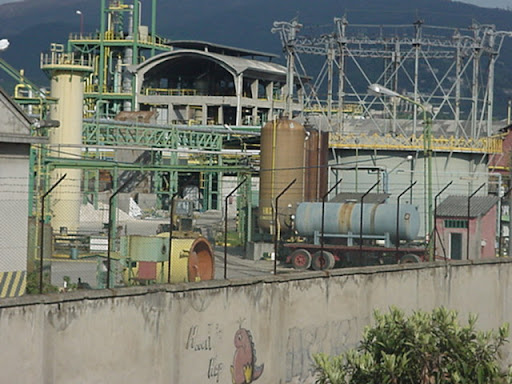
Imagine a town where the air, water, and soil are contaminated with toxic chemicals that can cause cancer, disrupt the immune system, and affect the endocrine system. Welcome to Brescia, Italy, where a devastating case of polychlorinated biphenyls (PCBs) poisoning has left residents suffering for decades. In this article, we will explore the history of PCB production in Brescia, the health effects on the local population, and the lack of action taken by authorities to address the issue.
What are PCBs?
Polychlorinated biphenyls (PCBs) are a class of organic compounds that are highly toxic and can be compared to the toxicity of dioxins. These chemicals were widely used in electrical equipment, such as transformers and capacitors, but their production has been banned since 1972 due to their harmful effects on human health and the environment.
The History of PCB Production in Brescia
In the early 20th century, Italy was a leading producer of PCBs, with several factories located throughout the country. One such factory was Caffaro, which began producing PCBs in Brescia in the 1930s. The factory operated for over five decades, releasing massive amounts of PCBs into the air and soil. During this time, the factory dumped a staggering 150 tons of PCBs at its site.
The Impact on the Environment
The release of PCBs from Caffaro’s factory had a devastating impact on the environment in Brescia. The chemicals contaminated the air, water, and soil, causing long-term damage to the ecosystem. Studies have shown that the pollution affected not only local residents but also wildlife and other ecosystems.
The Health Effects on Residents
The residents of Brescia have been suffering from the effects of PCB contamination for decades. Studies have shown that they have high levels of PCBemia, with values up to 20 times higher than the recommended limits. The health effects are severe, including cancer, immune system damage, and hormonal imbalances.
Cancer Risk
One of the most significant health effects of PCBs is their link to cancer. Research has shown that exposure to PCBs can increase the risk of various types of cancer, including leukemia, lymphoma, and brain cancer. In Brescia, residents have reported a high incidence of cancer, with many cases attributed to PCB exposure.
Immune System Damage
PCBs are known to damage the immune system, making it more difficult for the body to fight off infections. Studies have shown that residents in Brescia have weakened immune systems, leaving them vulnerable to diseases such as pneumonia and tuberculosis.
Hormonal Imbalances
Exposure to PCBs has also been linked to hormonal imbalances, including thyroid problems and reproductive issues. Women in Brescia have reported difficulties conceiving and carrying pregnancies to term, while men have experienced low sperm counts and erectile dysfunction.
A Lack of Action: What Went Wrong?
Despite the devastating effects on residents, no concrete actions have been taken to address the issue in Brescia. In contrast, a similar case in Anniston, Alabama, led to a massive settlement of $700 million, where the responsible company was held accountable and ordered to clean up the contaminated site.
Regulatory Failure
The lack of action in Brescia highlights a broader issue: regulatory failure. Despite the ban on PCBs in 1972, many countries failed to enforce strict regulations, allowing factories to continue producing and releasing toxic chemicals into the environment.
Lack of Public Awareness
Public awareness campaigns have played a crucial role in exposing cases like the one in Brescia. Without these campaigns, the issue may have gone unnoticed, and residents may still be suffering from the effects of PCB contamination.
Conclusion
The case of PCB poisoning in Brescia serves as a stark reminder of the devastating effects of industrial pollution on human health and the environment. It’s essential that we learn from this tragedy and take concrete steps to prevent similar cases in the future. As we move forward, it’s crucial that we prioritize environmental protection, hold corporations accountable for their actions, and ensure that those affected receive justice.
Frequently Asked Questions
- What is PCBs?
PCBs are a class of toxic organic compounds used in electrical equipment. - How long did the factory produce PCBs in Brescia?
The factory produced PCBs for 51 years, from 1932 to 1983. - How many tons of PCBs was dumped at the factory site?
150 tons of PCBs were dumped at the factory site during its operation. - What are the health effects on residents?
Residents have high levels of PCBemia and suffer from cancer, immune system damage, and hormonal imbalances. - Why hasn’t action been taken to address the issue in Brescia?
Despite the devastating effects, no concrete actions have been taken to clean up the site or compensate affected residents. - Is this a unique case in Europe?
No, but it’s an isolated incident compared to other cases worldwide. - What can be done to prevent similar cases?
Stronger regulations and a more proactive approach from authorities are necessary to prevent environmental disasters. - How can residents affected by PCB contamination receive justice?
Residents should seek legal action against the responsible parties and demand compensation for their suffering.
Recommendations
- Strengthen Regulations: Governments must strengthen regulations to ensure that corporations take responsibility for environmental damage.
- Public Awareness Campaigns: Public awareness campaigns are crucial in exposing cases like the one in Brescia and raising public consciousness about the issue.
- Scientific Research: Continuous scientific research is necessary to better understand the effects of PCBs on human health and the environment.
Timeline
- 1930s: Caffaro factory begins producing PCBs in Brescia
- 1972: Production of PCBs banned worldwide due to toxicity concerns
- 1983: Factory stops production, but dumping of PCBs continues
- 2005: Study reveals high levels of PCBemia among residents in Brescia
- 2010: Residents begin seeking legal action against the responsible parties
Sources
- “The Bresciano Case: A Toxic Legacy” by the Italian Association for Cancer Research
- “PCBs and Human Health” by the National Institute of Environmental Health Sciences
- “Caffaro Factory Pollutes Brescia with PCBs” by La Repubblica
- “Anniston Settlement Raises Questions About Corporate Accountability” by The New York Times


