
Introduction to Japan’s Renewable Energy Revolution
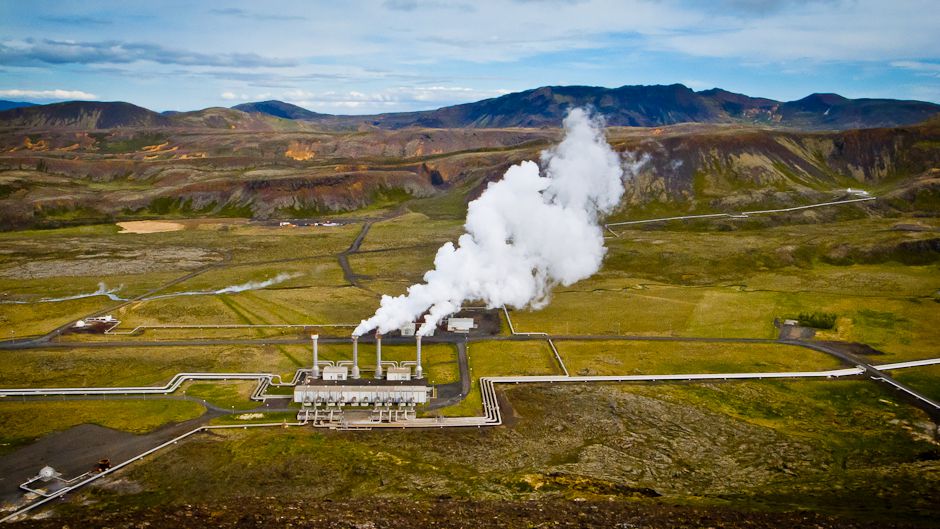
As we look back on the devastating nuclear disaster in Fukushima, it’s clear that a new chapter is being written for this country. A project of unprecedented scale, the largest geothermal power plant ever built in Japan, marks a significant shift towards renewable energy and away from the term “nuclear.” The Bandai-Asahi National Park will be home to this massive facility, which will produce one quarter of the energy generated by the damaged nuclear plant.
The Fukushima disaster was a wake-up call for Japan, highlighting the need to diversify its energy mix and reduce its reliance on fossil fuels. In response, the government has launched an ambitious initiative to promote the use of renewable energy sources, including geothermal power. This shift towards a more sustainable energy future is not only crucial for reducing greenhouse gas emissions but also essential for stimulating economic growth and creating jobs.
Why Geothermal Energy is Crucial for Japan’s Future
Japan’s unique geography makes it an ideal location for harnessing the power of geothermal energy. The country’s mountainous terrain creates a natural barrier between the Pacific Ocean and the Japanese archipelago, resulting in intense heat flow from the Earth’s mantle. This phenomenon can be harnessed to generate electricity through the use of geothermal resources.
Despite having a significant geothermal resource, Japan has largely neglected it, reserving its use primarily for tourism. The country’s geothermal reserves are concentrated in its most natural areas, and current regulations strictly prohibit drilling into these sites. However, the government has recently relaxed the rules, permitting limited drilling within designated national parks while maintaining a high level of environmental protection.
A Shift in Policy: Allowing Geothermal Drilling
The change in policy is seen as an important step towards harnessing Japan’s geothermal potential and kickstarting its economic recovery from the devastating earthquake. By allowing drilling in specific areas, the government aims to create new revenue streams and stimulate innovation in the geothermal industry.
This shift in policy also reflects a growing recognition of the importance of renewable energy sources for Japan’s future. As the country seeks to reduce its reliance on fossil fuels and mitigate the impacts of climate change, geothermal energy is becoming an increasingly attractive option.
The Significance of this Project for Japan’s Renewable Energy Strategy
The new geothermal power plant in Bandai-Asahi National Park represents a turning point in Japan’s transition to renewable energy sources. By leveraging its geothermal resources, the country can not only decrease greenhouse gas emissions but also stimulate economic growth by creating jobs and driving innovation.
This project is part of a broader initiative to promote sustainable development in Japan. The government has set ambitious targets for reducing carbon emissions and increasing the use of renewable energy sources. Geothermal power is seen as a crucial component of this strategy, with potential to contribute significantly to Japan’s energy mix.
The Future of Geothermal Energy: A Global Perspective
Japan is part of a broader global movement towards harnessing renewable energy sources. The Solar Techno Park, which combines solar, geothermal, and wind power, represents another significant step forward in Japan’s sustainable development efforts. This project aims to create a hub for innovation and entrepreneurship in the field of renewable energy, driving growth and job creation in Japan.
The global shift towards renewable energy is driven by concerns about climate change, air pollution, and energy security. As countries seek to reduce their reliance on fossil fuels, geothermal energy is becoming an increasingly attractive option. With its potential to provide both electricity and district heating, geothermal power is poised to play a significant role in the global transition to a low-carbon economy.
The Role of Incentives: Driving Investment in Geothermal Energy
To encourage the growth of the geothermal industry, the Japanese government has allocated approximately 10 billion yen to support new projects. This move is seen as a crucial factor in driving investment in this sector and propelling it towards widespread adoption.
In addition to financial incentives, other measures are being taken to promote the development of geothermal energy. These include tax breaks, streamlined regulatory processes, and technical assistance programs for small and medium-sized enterprises (SMEs).
Conclusion: Japan’s Path Towards a Sustainable Future
As we look ahead to a brighter future for Japan, one thing becomes clear: renewable energy will play an increasingly important role in its development strategy. By embracing geothermal energy, the country is taking a significant step forward in reducing its reliance on fossil fuels and paving the way for a more sustainable, environmentally conscious economy.
The success of this project has far-reaching implications for Japan’s nuclear energy sector. As the country shifts towards renewable energy sources, the use of nuclear power will likely decline. This change will have significant economic and social implications, including job losses in the nuclear industry and potential changes to Japan’s energy infrastructure.
Frequently Asked Questions
-
What triggered the shift towards geothermal energy in Japan?
The devastating nuclear disaster in Fukushima marked a turning point in Japan’s energy policy, prompting a renewed focus on renewable sources like geothermal energy. -
How significant is this project for Japan’s economic recovery?
By stimulating investment and job creation, this project has the potential to contribute significantly to Japan’s post-quake economic revival. -
What role will incentives play in driving adoption of geothermal energy?
The government’s allocation of 10 billion yen to support new projects will be instrumental in encouraging businesses to invest in geothermal technology. -
How does this project align with Japan’s broader renewable energy strategy?
The Solar Techno Park, which combines solar, geothermal, and wind power, represents a key component of Japan’s sustainable development efforts. -
What are the environmental implications of harnessing geothermal energy in national parks?
To minimize impact, drilling will be strictly regulated within designated areas to protect local ecosystems. -
How does Japan compare to other countries in terms of geothermal resource utilization?
Japan has a significant but largely untapped geothermal potential; this project marks an important step towards unlocking its full potential. -
What are the implications for Japan’s nuclear energy sector?
The shift away from nuclear energy will have far-reaching consequences, driving innovation and reducing greenhouse gas emissions in the process. -
How might this project influence other countries looking to adopt geothermal energy as a renewable source?
Japan’s success in harnessing geothermal energy could serve as a model for other nations seeking to transition to more sustainable energy sources.


