
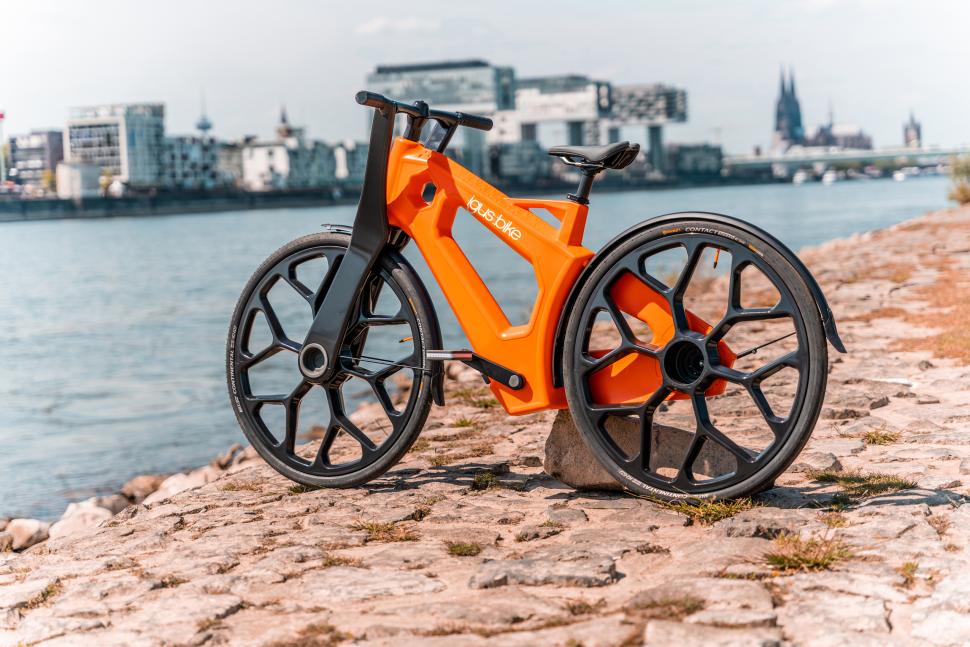
In a world where environmental concerns are on the rise, innovative solutions are needed to reduce our carbon footprint. Meet Izhar Gafni, an Israeli entrepreneur who has created a revolutionary bicycle made entirely from recycled carton. With a price tag of just $9, this eco-friendly cycle is set to change the way we think about transportation.
Introduction
Izhar Gafni’s journey began four years ago when he set out to design a carton that could withstand the elements and provide structural strength. After countless prototypes and iterations, he finally succeeded in creating a carton that was not only eco-friendly but also incredibly resilient.
The Brainchild Behind the Bicycle
Gafni’s inspiration for the bicycle came from his own experiences with transportation in Israel. He noticed that many people were using bicycles as a mode of transport, but they often had to carry their own cargo or use traditional metal frames that were not only heavy but also resource-intensive to produce.
The Materials Used
So, what makes this bicycle so special? The answer lies in its unique composition of recycled materials. The frame is made from an innovative blend of cartons, while the wheels are constructed from recycled rubber and the chain is sourced from a repurposed old car parts. This combination of materials not only reduces waste but also provides a lightweight and durable structure that can withstand various environmental conditions.
A Breakthrough in Carton Technology
Gafni’s breakthrough came when he discovered that by combining different types of carton, he could create a material that was not only lightweight but also incredibly strong. This new material has led to the development of a bicycle frame that is stronger than carbon fiber used in many high-end bikes.
A Sustainable Alternative
The use of recycled materials reduces waste and minimizes the environmental impact associated with traditional manufacturing processes. The carton-based bike is also biodegradable, making it an attractive option for environmentally conscious consumers who want to reduce their carbon footprint without sacrificing performance.
Design and Functionality
Despite its unconventional design, the bicycle is surprisingly functional. The frame is designed to be foldable, allowing users to easily store and transport their bikes. The wheels are made from recycled rubber, providing a smooth ride and improved traction. The chain is designed to reduce noise pollution and provide a quiet ride.
A Range of Options
While the base model starts at just $9, consumers can upgrade to a fully-equipped bike with additional features such as a motorized assist, perfect for those who want to go the extra mile. Gafni plans to offer various models to cater to different needs and preferences, including a commuter bike, a recreational bike, and an e-bike.
The Business Model
Gafni plans to produce the bicycle in large quantities and sell them online, with plans to expand into physical stores by the end of 2013. This innovative approach will make eco-friendly transportation more accessible to people around the world. By leveraging social media platforms and online marketing, Gafni aims to create a community of environmentally conscious cyclists who will advocate for his brand and promote sustainable living.
Marketing Strategies
To reach a wider audience, Gafni plans to implement several marketing strategies, including:
- Social media campaigns to raise awareness about the product and build a community of eco-friendly cyclists
- Partnerships with environmental organizations to promote sustainable living and reduce waste
- Collaborations with influencers and bloggers in the cycling industry to showcase the benefits of eco-friendly transportation
Conclusion
Izhar Gafni’s carton cycle is a game-changer for environmentally conscious consumers. With its unique blend of recycled materials, durable design, and affordability, it’s poised to revolutionize the way we think about transportation.
Frequently Asked Questions
Q: How does the bicycle perform in terms of speed and endurance?
A: While the bicycle may not be as fast as traditional carbon fiber bikes, it is designed for long-distance riding and provides a smooth, comfortable ride. The motorized assist feature allows riders to travel at speeds of up to 25 mph.
Q: What makes this bike so sustainable?
A: The use of recycled materials reduces waste and minimizes environmental impact. The carton-based frame is also biodegradable, making it an attractive option for environmentally conscious consumers.
Q: How much does the bicycle cost?
A: The base model starts at just $9, while fully-equipped models can range from $60 to $120.
Q: Can I customize my bike with additional features?
A: Yes, customers can upgrade their bikes with motorized assists or other accessories. Gafni also offers custom color schemes and decals for a personalized look.
Q: Is this bike suitable for heavy loads?
A: The bicycle is designed to carry up to 140 kg of weight, making it perfect for commuting or running errands.
Q: Where can I buy the carton cycle?
A: The bicycle will be sold online and in physical stores by the end of 2013. Gafni plans to expand distribution globally to make eco-friendly transportation more accessible to people around the world.
Future Developments
Gafni plans to continue innovating and improving his product, with a focus on sustainability and environmental responsibility. He aims to reduce waste and minimize environmental impact throughout the entire lifecycle of the bicycle, from production to disposal.
Innovative Technologies
To further enhance the performance and functionality of the carton cycle, Gafni is exploring several innovative technologies, including:
- Solar panels integrated into the frame to provide energy for electric assist
- Advanced materials for improved strength and durability
- Integrated safety features, such as crash sensors and emergency braking systems
Conclusion
Izhar Gafni’s carton cycle is a pioneering effort in eco-friendly transportation. With its unique blend of recycled materials, durable design, and affordability, it has the potential to revolutionize the way we think about transportation.


