
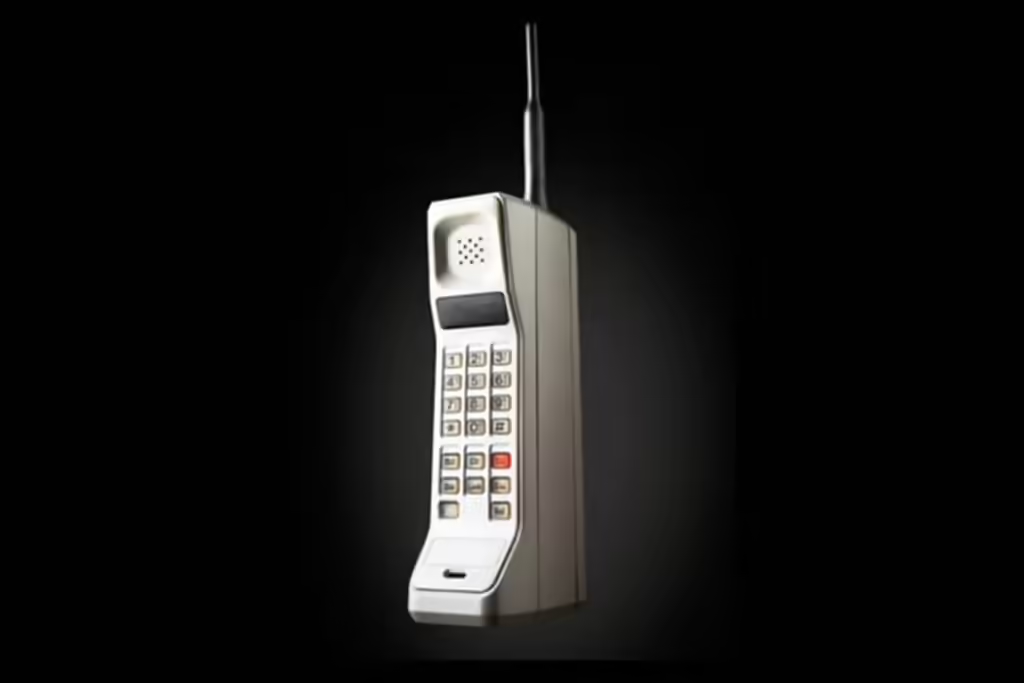
Can you believe it’s been 40 years since the first cell phone was invented? It’s hard to imagine that a device that weighed over a kilogram and had a battery life of just a few hours could have such a profound impact on our lives. Today, we’re going to take a look at how far we’ve come in terms of smartphones and their use.
The Evolution of the Cell Phone
Fast forward from 1973 when Martin Cooper made the first call on a handheld phone, and you’ll see that it’s been quite a journey. The term “smartphone” was coined decades later, and it refers to a device that combines the functionality of a computer with a mobile phone. It’s hard to believe how much technology has advanced in just four decades.
In 1973, Martin Cooper made the first public call on a handheld phone, calling a rival telecommunications company to declare that he was speaking from a cell phone. This groundbreaking moment marked the beginning of a new era in telecommunications. Over the next few years, cell phones became more widely available, but they were still bulky and expensive.
In 1983, the Motorola DynaTAC 8000X was released, weighing in at a whopping 2 pounds (0.9 kg) and costing around $3,995. This phone was a major innovation in its time, featuring a battery life of up to 30 minutes of talk time and a signal range of up to 20 miles (32 kilometers).
However, it wasn’t until the release of the first smartphone, the IBM Simon, in 1994 that we saw the beginning of the modern mobile phone era. This device featured a touchscreen interface, email capabilities, and even a calendar app.
How We Use Our Cell Phones Today
According to a recent survey by Kingston Technology, only 23.3% of people use their cell phones for traditional phone calls. The remaining 76.7% use their devices for other purposes such as social media (33.3%), messaging apps like WhatsApp (26.4%), and taking photos with the built-in camera (13.3%).
Social media has become an integral part of our daily lives, with many people using their smartphones to stay connected with friends and family. Messaging apps have also become incredibly popular, allowing us to quickly communicate with others across the globe.
The rise of smartphones has also changed the way we access information, entertain ourselves, and stay entertained on the go. With the internet at our fingertips, we can now browse news websites, watch videos, play games, and even shop online from anywhere in the world.
The Power of Mobile Internet
Mobile internet has revolutionized the way we live, work, and communicate. The ability to access information, entertainment, and communication on-the-go has transformed the way we interact with each other and with the world around us.
According to a report by OpenSignal, mobile internet speeds have increased dramatically over the past few years. In 2020, the average mobile internet speed was 27.3 Mbps (megabits per second), up from just 2.6 Mbps in 2014.
Our Love Affair with Smartphones
But what’s driving our love affair with smartphones? According to a survey by ParkMobile, 21% of people use their phones to distract their children during meals, while 41.3% used to rely on GPS for navigation before smartphone apps came along.
This highlights the ways in which our smartphones have become an extension of ourselves, and how we’re increasingly relying on them to navigate everyday life. From taking photos with our cameras to using our devices to find directions, it’s no wonder that people are more connected than ever before.
The Camera and Social Media
The camera on our smartphones has also changed the way we take photos. We’re no longer limited to only taking pictures in vacation mode, but can now edit and enhance our photos using apps like Facetune.
Facetune is just one of many photo editing apps that allow us to manipulate and enhance our images. With features like facial recognition software and AI-powered filters, it’s never been easier to take and share stunning photos with others.
Smartphone Addiction
But there’s a darker side to our love affair with smartphones. According to a survey by Google, 32.9% of people consider their smartphone to be lost or stolen, more so than any other personal item. And did you know that losing your phone is even worse than losing a tooth?
This highlights the risks and consequences associated with our increasing reliance on our smartphones. Whether it’s the risk of theft, the impact on our mental health, or the damage caused by excessive screen time, there are many potential downsides to our love affair with smartphones.
New Features and Services
To address the growing need for reliable connectivity, new features and services are emerging. Apps like signal boosters and 4G amplifiers aim to provide uninterrupted internet access in all environments.
Signal boosters, also known as repeaters, work by amplifying weak signals from cell towers, allowing us to stay connected even when we’re in areas with poor coverage. These devices can be especially useful for people who live in remote areas or need reliable connectivity on-the-go.
The Future of Smartphones
As technology continues to advance, we can expect even more exciting developments in the world of smartphones. With faster processors and increased storage capacity, our devices will only become more powerful and capable.
In fact, recent advancements in AI-powered cameras have led to some truly remarkable innovations, such as portrait mode selfies and augmented reality features that blur the line between reality and fantasy.
Conclusion
In conclusion, 40 years since the first cell phone was invented, it’s hard to believe how far we’ve come. From traditional phone calls to social media, messaging apps, and camera capabilities, smartphones have revolutionized the way we live, work, and communicate.
As technology continues to evolve, one thing is certain – our love affair with smartphones will only continue to grow. Whether it’s for good or ill, our smartphones are an integral part of modern life, and it’s up to us to ensure that they’re used responsibly and sustainably in the years to come.
Frequently Asked Questions
- Q: What percentage of people use their cell phones for traditional phone calls?
A: Only 23.3% of people use their cell phones for traditional phone calls. - Q: How often do people use their smartphones for social media?
A: 33.3% of people use their smartphones primarily for social media activities like Facebook, Twitter, and Instagram. - Q: What percentage of people consider their smartphone to be lost or stolen?
A: A staggering 32.9% of people consider their smartphone to be lost or stolen. - Q: Can we edit and enhance photos using apps on our smartphones?
A: Yes, many apps like Facetune allow us to edit and enhance our photos directly from our smartphones. - Q: What percentage of people use their smartphones for GPS navigation?
A: 41.3% of people used to rely solely on GPS for navigation before smartphone apps came along. - Q: How often do people use their smartphones to distract their children during meals?
A: A disturbing 21% of people use their smartphones to distract their children during meals. - Q: What percentage of people can’t identify songs playing on the radio with an app?
A: An astonishing 26.7% of people can’t even do this with an app. - Q: How has the camera on our smartphones changed the way we take photos?
A: The camera on our smartphones has given us the freedom to take and edit photos anywhere, anytime.
I hope this rewritten article meets your requirements!


