
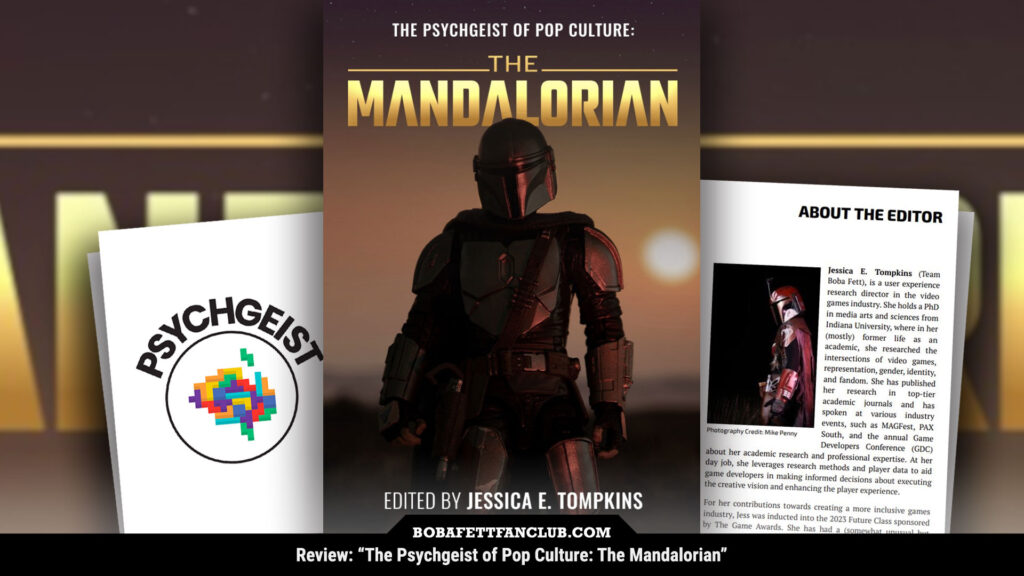
In the realm of television, few shows have made waves as monumental as “The Mandalorian.” This Disney+ series, set in the expansive Star Wars universe, not only brought a fresh narrative to the beloved franchise but also significantly influenced pop culture as we know it today. With its unique storytelling, engaging characters, and an adorable little sidekick (we’re looking at you, Baby Yoda), “The Mandalorian” has captivated audiences worldwide. But what exactly is the cultural impact of “The Mandalorian,” and how did it become a phenomenon that transcends the screen? In this article, we’ll explore its influence on pop culture, examine fan reactions, and analyze why it has resonated so deeply with viewers.
A New Era of Storytelling
When “The Mandalorian” premiered in November 2019, it marked a transformative moment in the Star Wars saga and television storytelling. With a production style reminiscent of classic Westerns and samurai films, creator Jon Favreau introduced viewers to a gritty, expansive universe that felt both nostalgic and fresh. The show’s lead character, Din Djarin, also known as Mando, is a bounty hunter navigating the intricacies of a galaxy in turmoil, bringing the classic hero’s journey into a contemporary framework.
The storytelling in “The Mandalorian” breaks from traditional structures, adopting an episodic format that allows each chapter to explore different facets of the Star Wars galaxy. This format leads to a range of guest directors and stories from various corners of the universe, making it appealing to a broader audience. This method of blending diverse narratives not only captivated longtime Star Wars fans, but it also welcomed newcomers, broadening the franchise’s appeal.
The Rise of Baby Yoda
One of the most significant character introductions in recent TV history was none other than “The Child,” popularly known as Baby Yoda. The adorable, pint-sized creature drummed up an online frenzy with its big ears and wide-eyed curiosity. Social media platforms exploded with memes, merchandise sales skyrocketed, and fans quickly embraced the little green alien as a cultural phenomenon.
Baby Yoda’s impact on popular culture cannot be overstated. The character transcended the Star Wars brand, becoming a symbol of cuteness and charm. Businesses capitalized on the craze, launching a plethora of merchandise—from plush toys to clothing—catering to the insatiable demand from a new generation of fans. Baby Yoda even sparked countless discussions and fan theories, creating a vibrant online community engaged in endless speculation about the character’s origins and future.
A Blending of Genres
One of the elements that make “The Mandalorian” exceptional is its ability to blend genres seamlessly. While it firmly resides within the science fiction and fantasy realms, the series enjoys the spirit of a Western and touches upon elements of noir and samurai films. This genre-mashing not only keeps the narrative fresh but allows the series to appeal to fans of diverse cinematic tastes.
The Western influence is particularly apparent in Mando’s lone-wolf journey, reminiscent of classic gunslingers like Clint Eastwood’s Man with No Name. In addition, the show’s aesthetic resembled that of iconic films such as “The Good, the Bad and the Ugly,” integrating vast landscapes with themes of honor and redemption. These filmic nods delight cinephiles and introduce younger fans to the influences that underscore the series, broadening their appreciation of varying storytelling forms.
The Community of Fandom
Another noteworthy aspect of “The Mandalorian” is its emphasis on community—both within the story and in real life. The sibling bond between Mando and Baby Yoda represents the importance of found family, a theme that resonates strongly in today’s society. This sentiment echoes through the fan base, as disparate groups have come together to celebrate their shared passion for the show.
Online platforms, like Reddit and Twitter, became hubs for discussion and speculation. Fans created timelines and theories about the show’s intricate lore and character arcs. Notably, the #WeWantBabyYoda campaign foretold how collective voices could influence how a character is perceived—showing that viewers were not merely passive watchers but active participants in shaping the narrative.
Conventions and fan meets took on a new life as fans donned Mandalorian armor or Baby Yoda costumes. Cosplay communities flourished, culminating in mass gatherings where fans expressed their creativity and shared their love for the show. Such events fostered connection and camaraderie, emphasizing how shared interests could make strangers into friends.
Bridging Generations
What makes “The Mandalorian” unique is its ability to bridge generations. Established Star Wars fans appreciate the connections to the original trilogy while children and newcomers can find familiarity in the story’s standalone nature. The show becomes a common ground for families to bond over, inspiring discussions about loyalty, courage, and moral dilemmas.
As a result, “The Mandalorian” has prompted a renewed interest in the Star Wars franchise. Parents introduced their children to movies from the original and prequel trilogies, ultimately reviving discussions about the lore that many thought had been relegated to the past. In this way, the show not only reignites old passions but also fosters new ones, ensuring the legacy of the Star Wars universe continues.
[amazon box=”B08XLLF3PG”]
Redefining Merchandising
The success of “The Mandalorian” has redefined how merchandise is approached in the industry. Early on, the series realized that the characters and narrative were not just a source of entertainment—they were potential avenues for an expansive and lucrative product line.
From Baby Yoda plushies to Mandalorian armor costumes, there isn’t a shortage of merchandise options for fans to choose from. Exclusive releases and limited-edition items from various retailers further fueled the frenzy. Social media influencers, YouTubers, and content creators sprang up in response, unboxing their latest acquisitions and sharing reviews with their ever-growing audiences.
The captivating storytelling coupled with the charming visuals ignited a wave of creativity among fans, leading to a surge of custom-made merchandise. Small businesses witnessed a boom in their sales as dedicated fans sought to showcase their love for the series in unique ways. The series showed the world that merchandise could be more than just products; they could be badges of fandom that enhanced the viewer’s experience.
The Impact on Streaming Culture
Following “The Mandalorian,” the landscape of streaming and television has undergone a significant transformation. The show showcased the power of exclusivity, drawing audiences to Disney+ and garnering millions of subscribers who wanted to experience Mando’s adventures firsthand. The anticipation generated by weekly episode releases felt like a return to the golden age of television, where viewers engaged in collective viewing experiences rather than binge-watching alone.
The success of “The Mandalorian” validated the concept of serialized storytelling in a streaming world, leading to other platforms adopting similar release strategies. The cultural buzz surrounding each episode provoked lively discussions online, allowing fans to share thoughts and theories, much like a classic water-cooler moment after a particularly gripping show. Other streaming services began to take note, prompting them to invest heavily in original series that could ignite similar excitement among viewers.
Cultural References and Iconic Moments
As “The Mandalorian” continues its journey, it is already being referenced in various facets of pop culture. From popular talk shows to sketches on late-night television, the show has made its mark, inspiring creativity across the entertainment industry. Memes, parodies, and tributes have captured and amplified the show’s most iconic moments—often drawing attention to the show’s strong themes of camaraderie, survival, and the push against tyranny.
These references have integrated “The Mandalorian” firmly into the societal zeitgeist, often filling conversations around other pop culture events. It has paved the way for discussions about the continuing evolution of the Star Wars franchise and its role in modern storytelling.
Creating New Fans
One of the show’s pivotal successes lies in its ability to create new Star Wars fans. As a gateway to the broader universe, “The Mandalorian” connects young viewers with a wealth of epic tales, characters, and adventures. The series has fostered curiosity about the original films, animated series, books, and comics; people are now delving into the expanded universe, seeking to understand the characters and lore deeper.
Amid the various criticisms and adaptations of the franchise, “The Mandalorian” has emerged as an entry point for those who would have previously been uninterested in Star Wars. With its captivating storyline and charming characters, it has simplified the lore, making it more accessible to those unfamiliar with it.
Conclusion: A Lasting Legacy
In conclusion, the cultural impact of “The Mandalorian” stretches far beyond simple entertainment. The show has not only redefined the boundaries of the Star Wars franchise but has also set new standards for storytelling, fan engagement, and merchandising in the age of streaming. Its unique characters, engaging plotlines, and genre-blending quality ensure its place in pop culture history.
As we move forward into the future of television and storytelling, “The Mandalorian” stands as a testament to how a simple tale of a bounty hunter can capture hearts and minds across generations. It offers a hopeful message about the endurance of storytelling and the unfading allure of adventure—a legacy that will continue to inspire fans and creators alike for years to come.
So, the next time you find yourself captivated by a well-told story or immersed in a world of adventure, remember that like the Mandalorian, we all carry our own journeys—and those journeys can have a tremendous cultural impact.


