
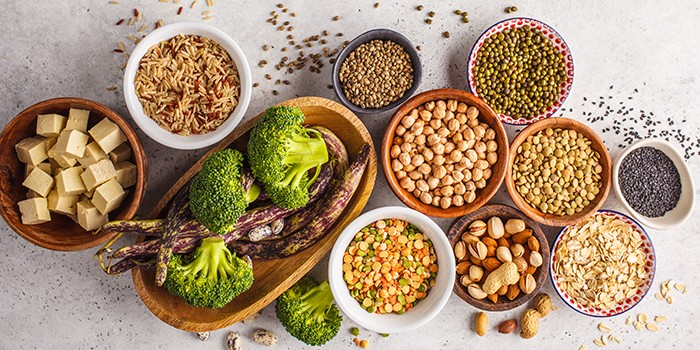
As the ancient Greek physician Hippocrates once said, “Let your food be your medicine.” Many of us still follow this principle today, but how many of us actually apply it in our daily lives? For those who do, there’s a particular diet that stands out as a holistic approach to health and happiness: macrobiotics. In this article, we’ll delve into the world of macrobiotics, exploring its principles, benefits, and how it can be incorporated into your lifestyle.
What is Macrobiotics?
Macrobiotics is not just another fad diet or trend; it’s a philosophy that originated in ancient China and Japan. It’s based on the concept of balancing yin and yang energies within our bodies through food choices. Yin foods are rich in potassium, while yang foods are high in sodium. The key is to balance these two energies to achieve optimal health.
The Importance of Yin and Yang
Yin and yang represent the opposing yet interconnected forces of nature. Yin represents the receptive, cooling energy, while yang represents the creative, warming energy. In our bodies, yin foods tend to contract and cool us down, whereas yang foods have a more expansive, warming effect. Understanding this concept is crucial in applying macrobiotics principles.
Understanding Yin and Yang Foods
To get started with macrobiotics, you need to identify which foods are classified as yin or yang. Here’s a simplified list:
- Yin Foods:
- Potassium-rich foods like bananas, avocados, and leafy greens
- Cooling foods like cucumber, celery, and watermelon
- Yang Foods:
- Sodium-rich foods like salt, soy sauce, and seaweed
- Warming foods like ginger, garlic, and chili peppers
The Seven Regimes of Macrobiotics
The macrobiotic diet is structured around seven different regimes, each with its own set of guidelines:
- Variety of Cereals/Vegetables/Soups/Cooked Foods: A balanced mix of grains, vegetables, soups, and cooked foods.
- Vegetable-Based Diet: A high-vegetable diet, often paired with small amounts of nuts, seeds, and grains.
- Fermented Food Diet: Focusing on fermented foods like kimchi, sauerkraut, and miso.
- Raw Food Diet: Eating a predominantly raw food diet, emphasizing fruits, vegetables, and nuts.
- High-Rice Diet: A high-rice diet, often paired with smaller amounts of other foods.
- High-Fermented Food Diet: Emphasizing fermented foods and reducing vegetable intake.
- Single-Grain Diet: Eating a single grain, such as brown rice, for an extended period.
The Role of Riso in Macrobiotics
Rice is considered the perfect food in macrobiotics, containing the ideal balance of yin and yang energies. Brown rice, in particular, is recommended due to its high potassium content and lower sodium levels compared to white rice.
Starting Your Macrobiotic Journey
If you’re interested in trying the macrobiotic diet, here are some tips:
- Start with a beginner’s regime, such as a single-grain diet or a vegetable-based diet.
- Incorporate fermented foods and raw foods into your diet gradually.
- Focus on balanced meals that include a variety of yin and yang foods.
Tips for Implementing Macrobiotics in Your Daily Life
- Eat Seasonally: Eating seasonal foods ensures that you’re consuming the freshest, most nutrient-dense produce available.
- Cook with Fermented Foods: Fermented foods like miso and soy sauce add depth and umami flavor to your meals while supporting gut health.
- Incorporate Grains into Your Diet: Brown rice, quinoa, and other whole grains provide sustained energy and support healthy digestion.
- Drink Plenty of Water: Adequate hydration is essential for optimal function, particularly when incorporating fermented foods into your diet.
- Avoid Processed Foods: Processed foods often contain high amounts of sodium, sugar, and unhealthy fats that can disrupt yin and yang balance.
Benefits of Macrobiotics
The macrobiotic diet has been shown to have numerous benefits, including:
- Improved digestion and reduced symptoms of IBS
- Increased energy levels and reduced fatigue
- Enhanced weight management and improved body composition
- Improved mental clarity and focus
- Support for immune function and overall well-being
Common Challenges and Misconceptions
- Protein Intake: Many people assume that macrobiotics means eliminating protein-rich foods. However, moderate amounts of lean protein can be beneficial in balancing yin and yang energies.
- Sodium Content: While it’s true that some macrobiotic diets emphasize fermented foods, which can be high in sodium, this doesn’t mean you need to limit sodium intake entirely.
- Time-Consuming: Some people assume that the macrobiotic diet is time-consuming or restrictive. However, with a little planning and creativity, incorporating macrobiotics into your lifestyle can be easy and enjoyable.
Overcoming Common Challenges
- Get Support from a Macrobiotic Community: Connecting with like-minded individuals who share your passion for macrobiotics can help you stay motivated and inspired.
- Experiment with New Recipes: Trying new recipes and flavors can make the macrobiotic diet feel less restrictive and more enjoyable.
- Focus on Balance, Not Restriction: Instead of focusing on what you’re restricting yourself from, focus on incorporating a variety of yin and yang foods into your meals.
Conclusion
Macrobiotics is more than just a diet; it’s a holistic approach to health and happiness. By understanding the principles of yin and yang, you can create balance within your body and cultivate a deeper connection with nature. Remember, this journey is not about deprivation but about embracing a balanced lifestyle that nourishes both body and soul.
Frequently Asked Questions
- What are the benefits of macrobiotics?
Macrobiotics has been shown to improve digestion, boost energy levels, and enhance overall well-being. - How does macrobiotics work?
Macrobiotics works by balancing yin and yang energies within the body, promoting optimal health and function. - Is macrobiotics suitable for everyone?
While macrobiotics can be beneficial for many people, it may not be suitable for those with certain dietary restrictions or allergies. - What is the role of fermented foods in macrobiotics?
Fermented foods are rich in probiotics and umami flavor, which support gut health and overall well-being. - Can I combine macrobiotics with other diets?
Yes, you can incorporate macrobiotic principles into your existing diet, but it’s essential to listen to your body and adjust accordingly. - How long does it take to see benefits from macrobiotics?
Benefits from macrobiotics can be noticed within a few weeks of starting the diet, with optimal results achieved after several months of consistent practice. - Is there any scientific evidence supporting macrobiotics?
While macrobiotics has been practiced for centuries, modern research is still in its early stages. More studies are needed to fully understand its effects on human health.
Remember, a journey into the world of macrobiotics requires patience, dedication, and an open mind. By embracing this holistic approach to health and happiness, you can unlock a deeper connection with your body and the natural world around you.


