
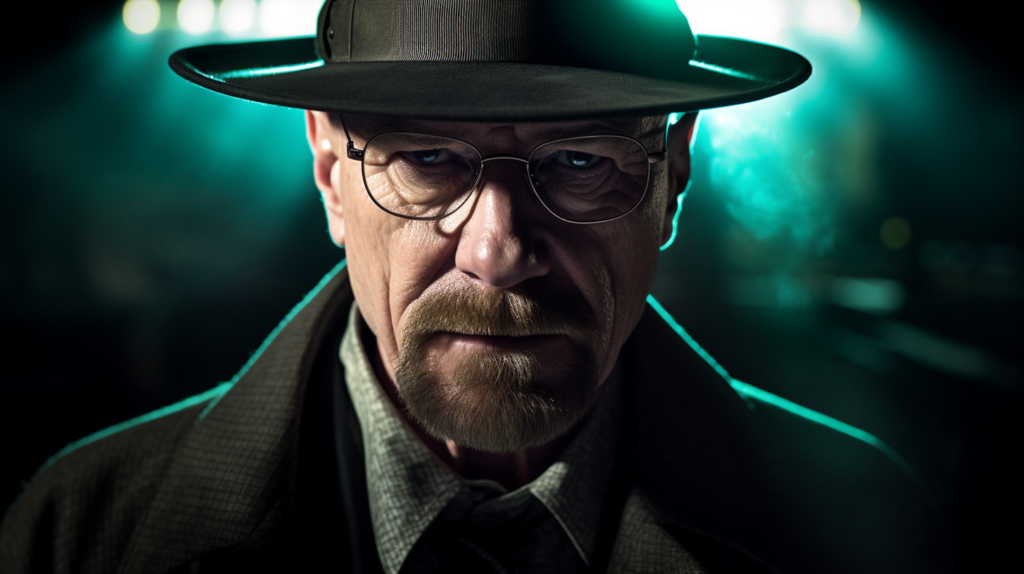
In recent years, few television shows have garnered as much attention, acclaim, and cultural impact as Breaking Bad. Airing from 2008 to 2013, this gripping series created by Vince Gilligan not only changed the landscape of television storytelling but also left an indelible mark on pop culture. In this article, we’ll explore the legacy of Breaking Bad, its influence on TV and popular culture, and the myriad ways it reshaped perceptions about storytelling in the modern era.
A Brief Overview of Breaking Bad
Breaking Bad tells the story of Walter White, a high school chemistry teacher turned methamphetamine manufacturer, played masterfully by Bryan Cranston. Faced with a terminal cancer diagnosis, Walter embarks on a desperate transformation from meek teacher to a ruthless drug lord. Alongside him is Jesse Pinkman, portrayed by Aaron Paul, whose character evolution represents the series’ emotional core. The show tackles themes of morality, family, and the consequences of choices, all while maintaining a gripping narrative filled with tension and suspense.
The series has won 16 Primetime Emmy Awards, including Outstanding Drama Series, and boasts a massive fanbase that continues to flourish even years after its finale. But why does Breaking Bad resonate so deeply with viewers, and how has it influenced television and popular culture?
The Rise of Antiheroes
One of the most significant contributions of Breaking Bad to television is the rise of the ‘antihero.’ Walter White is emblematic of this trend, embodying a complex character who blurs the lines between good and evil. This shift in character archetypes has paved the way for other flawed protagonists in subsequent television series.
Shows like Mad Men, The Sopranos, and even more recent series like Ozark and Succession feature complicated figures who engage in morally ambiguous actions, mirroring Walter’s descent into darkness. The acceptance and even admiration for antiheroes have reshaped our expectations of character development and storytelling in modern television.
Elevating the Quality of TV Writing
Breaking Bad remains a benchmark for high-quality television writing. Its narrative structure, intricate plotting, and character arcs have set a standard that countless shows now aspire to achieve. Vince Gilligan’s meticulous attention to detail, from character development and dialogue to visual storytelling, has influenced not just showrunners but also writers and producers across the industry.
This commitment to quality has opened up the market for more ambitious storytelling formats. Networks are now more willing to invest in long-form narratives that require slower pacing and deeper character exploration. In essence, Breaking Bad helped elevate television from being seen merely as entertainment to a legitimate art form, comparable to film.
Cinematic Techniques in Television
Breaking Bad also plays a crucial role in the merging of cinema and television. The show is notable for its breathtaking cinematography, creative editing, and inventive camera angles that would typically be reserved for the big screen. The iconic image of the Albuquerque landscape, combined with Gilligan’s stylistic choices, created a visual language that contributed heavily to its storytelling.
The series has inspired countless other shows to adopt a similar cinematic approach, leading to a significantly higher production value across the industry. Shows like Game of Thrones, Stranger Things, and The Mandalorian have followed suit, emphasizing high-stakes visuals that engage viewers on a deeper level.
The Cultural Impact and Memes
The impact of Breaking Bad extends far beyond ratings and awards. Its phrases, imagery, and themes have infiltrated popular culture and everyday conversations. Who could forget the iconic lines such as “I am not in danger, Skyler. I am the danger!” or “Say my name”? These memorable quotes have become integral parts of contemporary vernacular and are often referenced in memes, GIFs, and social media posts.
The show’s symbolism, particularly the blue meth, has become a cultural touchstone, symbolizing not just illicit drug trade but also the lengths people will go to in pursuit of power and wealth. The phrase “Breaking Bad” itself has entered the lexicon, often used to describe a turn towards deviance or rebellion, demonstrating how deeply entrenched the series is in our collective cultural consciousness.
[amazon box=”B08XLLF3PG”]
Exploring Themes of Morality and Consequence
Breaking Bad doesn’t just entertain; it provokes thought regarding morality and consequence. It challenges viewers to grapple with the ethical dilemmas faced by its characters, prompting reflections on the nature of good and evil. Walter’s gradual moral decline raises questions about the justification of his actions, blurring the lines between heroism and villainy.
This complex examination of morality has resonated with viewers and inspired discussions regarding similar themes in other works of art. Shows like The Handmaid’s Tale, The Boys, and even Disney productions have taken cues from Breaking Bad in crafting narratives that are rich in moral ambiguity.
Inspiring Future Content
Breaking Bad’s influence is not only seen within the realm of serial television but also in the broader entertainment landscape. Its success has led to the creation of spin-offs, most notably Better Call Saul, which follows the character of Saul Goodman, played by Bob Odenkirk. This prequel has further enriched the Breaking Bad universe while demonstrating the potential for character-driven storytelling grounded in rich backstories.
Moreover, the series has sparked renewed interest in crime dramas as a genre, inspiring filmmakers and creators to explore darker themes and complex characters. This is particularly evident in cinematic works where similar moral dilemmas and antiheroic narratives have emerged, contributing to an evolving pop culture landscape.
Breaking Bad and Fan Culture
The popularity of Breaking Bad has also given rise to a dedicated fan culture. Conventions, fan art, merchandise, and even culinary ventures inspired by the show, such as “blue rock candy,” have proliferated since its airing. Fans have created forums and social media groups to discuss and dissect every episode, showcasing the show’s massive influence on viewer engagement and interaction.
The commitment of fans has underscored the broader phenomenon of “fandoms” in contemporary culture, where dedicated followers actively engage in the lives and stories of their favorite shows, artists, and characters. Breaking Bad’s dedicated following has shown just how powerful a narrative can be in staking its claim on collective cultural memory.
Conclusion: The Enduring Legacy
As we reflect on the legacy of Breaking Bad, it becomes evident that its influence continues to shape not only television but also the broader spectrum of pop culture. From the rise of the antihero to unparalleled storytelling and thematic depth, the show has transformed these areas into a more complex and engaging landscape.
This iconic series remains more than just a captivating narrative; it serves as a reminder that television can push boundaries, challenge norms, and delve into the intricacies of humanity’s moral fabric. The rich tapestry woven through Breaking Bad echoes throughout pop culture, setting a new standard for storytelling while reminding us of the power of art to provoke thought and reflection.
In the end, the legacy of Breaking Bad illustrates that great storytelling is eternal, influencing generations of creators and audiences alike. As we move forward in a world where streaming and digital content reign supreme, the principles that Breaking Bad established will undoubtedly continue to inspire and influence the future of entertainment. Whether you’re a long-time fan or a newcomer, the lessons imparted by Walter White and Jesse Pinkman remain relevant, and the legacy of Breaking Bad will persist well into the future.


